We have always thought that to prepare the skin for the sun, in addition to gradual exposure and the inevitable sunscreen, the best allies at the table were carrots, peppers, melons and all those vegetables rich in beta-carotene, a precursor to the powerful antioxidant vitamin that keeps the immune system healthy and has a protective role for eyesight.
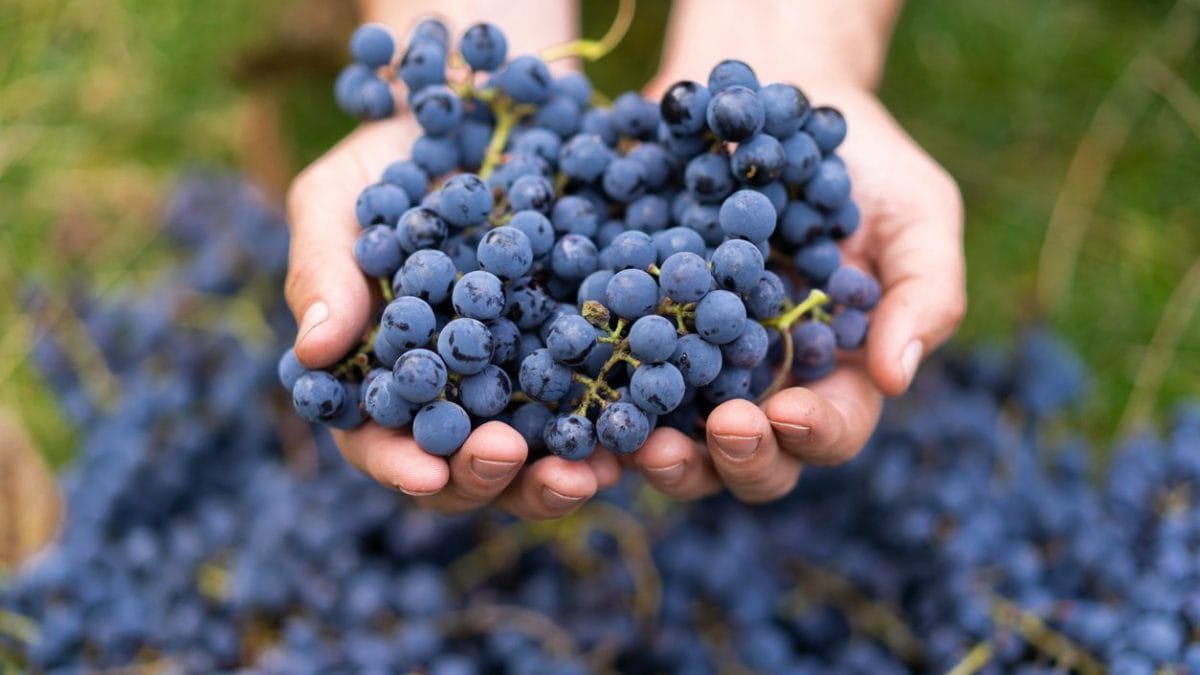
Several clinical studies, particularly an American study published in ACS Nutrition Science, have put grapes in the spotlight, describing them as a sort of genetic shield for the skin, our body's largest organ, as well as other organs such as the liver, muscles, kidneys, and even the brain. Do grapes really protect from the sun and its damage, or are they just another false myth related to this sensitive topic?
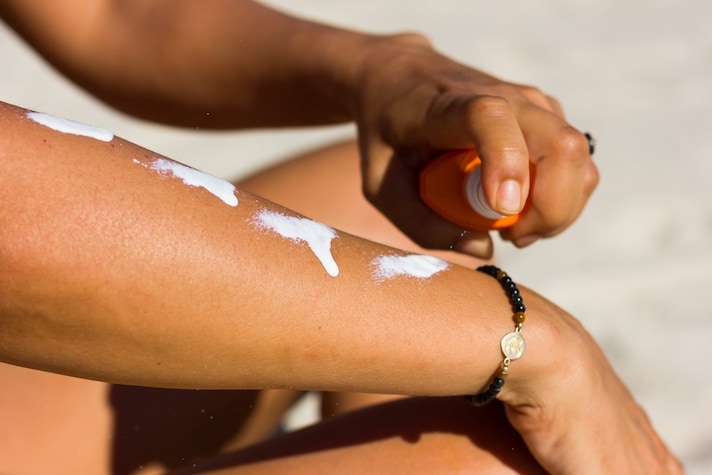
We asked our trusted expert, Dr. Simone Gabrielli, who immediately wanted to clarify a fundamental aspect: "No food protects from UV rays. Thinking of replacing sunscreen with diet is a huge risk: exposing yourself without cream exposes you to sunburn, cellular damage and drastically increases the concrete risk of skin cancers, such as melanoma."
What The New American Study Claims
A new research, promoted by California grape producers and carried out by a team of scientists from several American universities, would seem to further expand the conclusions reached by other clinical studies, stating that grape consumption improves the resistance to the sun's rays of the entire population – and not just 50 percent of them, as claimed by previous studies – and that these effects would be observable at a genetic level.
To further investigate this issue, the researchers asked participants to consume three servings of grapes daily for two weeks. They then analyzed gene expression in the skin before and after consumption of the fruit, both under normal conditions and after brief exposure to ultraviolet radiation.
The result? Gene expression was found to be profoundly different, and while there were small individual variations, participants showed some common effects. The analysis revealed that grape consumption promoted processes such as keratinization and cornification, natural mechanisms through which the skin strengthens its protective barrier against external aggressions.
Furthermore, subjects who had incorporated grapes into their diet had lower levels of malondialdehyde, a substance used as an indicator of oxidative stress, after exposure to UV rays. In other words, the fruit appears to help limit cellular damage caused by the sun, acting as a sort of natural protective shield for the skin, the largest organ in our body.
According to the study coordinator, Professor John Pezzuto of Western New England University, these effects may not be limited exclusively to skin tissue, but may also involve other organs, particularly the liver, muscles, kidneys and brain.
Study's Limitations
As our trusted expert, Dr. Simone Gabrielli, is keen to point out, all that glitters is not gold. The study suggests that daily grape supplementation protects the skin from sun damage thanks to the presence of free radicals, but it also presents enormous critical issues: "The conclusive genetic data are based on just four women (the study started with 29 volunteers, but they narrowed the useful data to just four), a tiny sample and not at all representative of the general population."
Second, each individual reacted radically differently, making it impossible to define a universal rule. Finally, the authors themselves suggest the need to use specific and more suitable methods to obtain reliable and less uncertain data. "In short, this is a preliminary study with too many technical limitations to draw definitive conclusions," explains the nutritionist.
The greatest danger in this news is misinformation, which can push people into risky behavior. "Sunscreen on a plate doesn't exist and is a dangerous hoax," Gabrielli is keen to point out.
Eating seasonal fruits and vegetables, including carrots, peppers, melons, and even grapes, is great for our overall health, especially our skin: the antioxidants they contain help fight free radicals and keep cells healthy. But the benefits don't stop there: there are no miracle foods, and none of them can protect against UV rays.
Thinking about replacing sunscreen with a "plant-based diet" exposes you to sunburn, deep cellular damage, and dramatically increases the risk of developing skin cancers, such as melanoma. "Fruits and vegetables help, but under the sun, the only real barrier is sunscreen," she concludes.
The Real Reasons to Eat Grapes in Summer
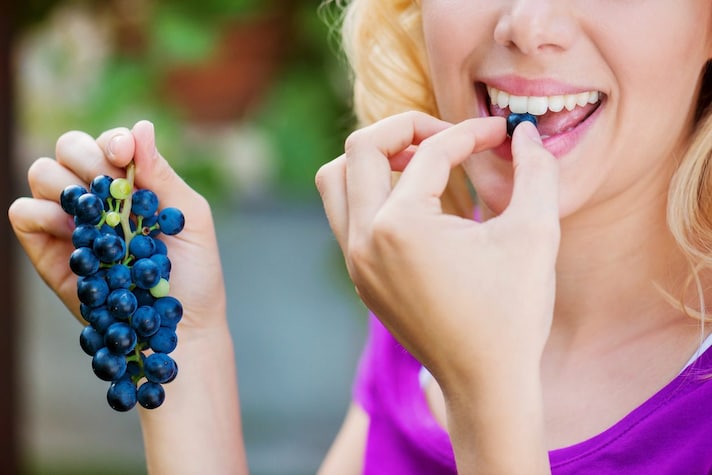
Once the question of their sun-protective effect has been clarified, grapes are still an exceptional ally for our health, to be enjoyed one berry at a time starting in late July. Sweet, juicy, and refreshing, they are rich in water, making them particularly hydrating, simple sugars, mineral salts, especially potassium, and vitamins A and C.
Wrongly considered "too high in calories," and therefore viewed with suspicion by those following a weight-loss diet, it is an excellent source of instant energy, thanks to its sugar content, extremely useful for athletes, the elderly, and during periods of intense fatigue, stress, and exhaustion. In short, a true elixir of well-being that we absolutely must not deprive ourselves of.
In particular, grapes are a "bomb" of water and potassium, ideal in summer to combat water retention, counteract bloating, and immediately hydrate the body. Their particularly delicate plant fibers are a natural panacea for unblocking sluggish bowels and improving digestion. Finally, they are rich in polyphenols, antioxidants that help counteract cellular damage and maintain healthy cells.
The peel contains a good dose of resveratrol, a polyphenol that acts as an excellent ally for the cardiovascular system: for this reason we should consume it in its entirety, purchasing it organically or from a trusted retailer, but let's remember to do so for the right reasons.
;Resize,width=767;)
