We live in an age where food remains one of humanity's most universal languages, a category that doesn't require language skills to bring everyone together. Doctors Without Borders, an international humanitarian organization providing emergency medical assistance in over 70 countries to populations affected by conflict, epidemics, and natural disasters, has launched a new project. It's called "The World at the Table, 10 Recipes Without Borders," a collection that, through dishes from ten countries, invites us to explore distant cultures.
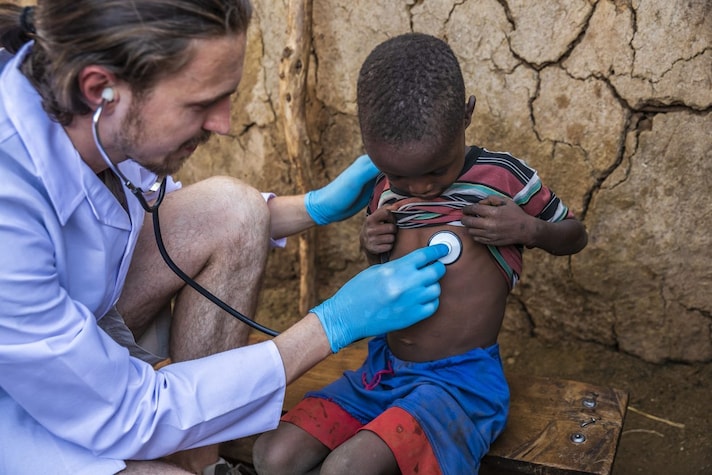
More than just a recipe book, this free online initiative intertwines flavors and narratives that transcend geographical boundaries, aiming to inspire reflection on the challenges of food insecurity in the planet's most fragile contexts.
Flavors That Tell of Identity and Everyday Life
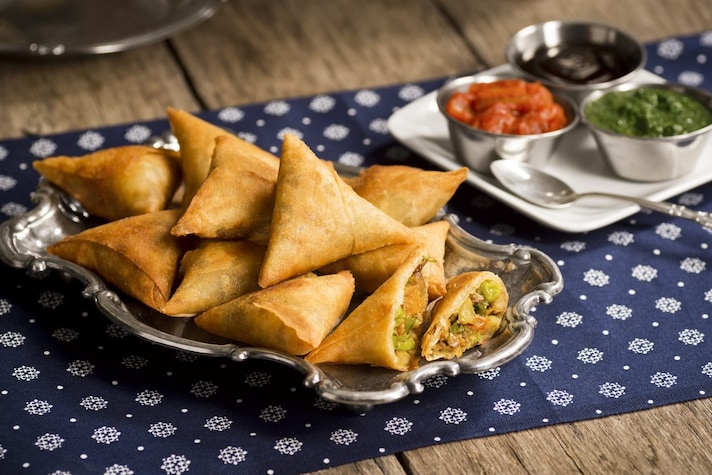
The selected recipes offer a cultural insight into the contexts in which Doctors Without Borders operates. From Mozambique come samosas, small fried or baked flour-based parcels filled with spices and vegetables. From Africa we move to Mexico with tacos: a product that needs little explanation. Warm tortillas wrapped in simple, highly spicy and intense fillings, they are the symbol of a popular cuisine recognized as a UNESCO World Heritage Site.
We return to Africa once again, with Sudanese ful medames: a beloved dish made from cooked fava beans seasoned with oil and spices, reflecting an ancient, everyday tradition. In the Democratic Republic of the Congo, saka saka, on the other hand, is prepared with cassava leaves or spinach and expresses the profound connection between land, agriculture, and community. We move on to Ukraine, where borscht brings to the table a soup that embodies family memory and national identity, a dish that spans the seasons and generations.
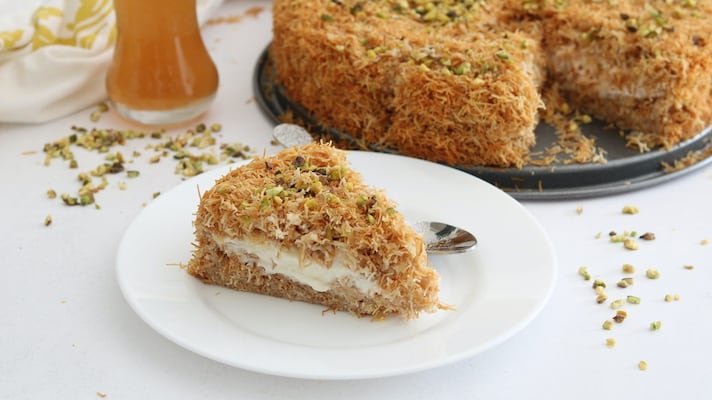
The cookbook not only celebrates the gastronomic diversity, but also invites reflection on the fragilities that plague many of these countries. Turkish lahmacun, a thin flatbread topped with meat and spices, and Yemeni saltah, a thick and fragrant soup, evoke shared tables in contexts marked by conflict and instability. Even desserts convey much more than just a sweet treat: Palestinian kunafa, with its stringy pastry and aromatic syrup, is a symbol of celebration and tradition, while Afghan haft mewa, prepared with dried fruit and nuts, evokes New Year celebrations and the hope of rebirth. Through these dishes, Doctors Without Borders reminds us that food is not just culture but a right, and that in many areas of the world, food insecurity remains one of the most serious and silent emergencies. The cookbook thus becomes an invitation to sit at a global table.
;Resize,width=767;)
