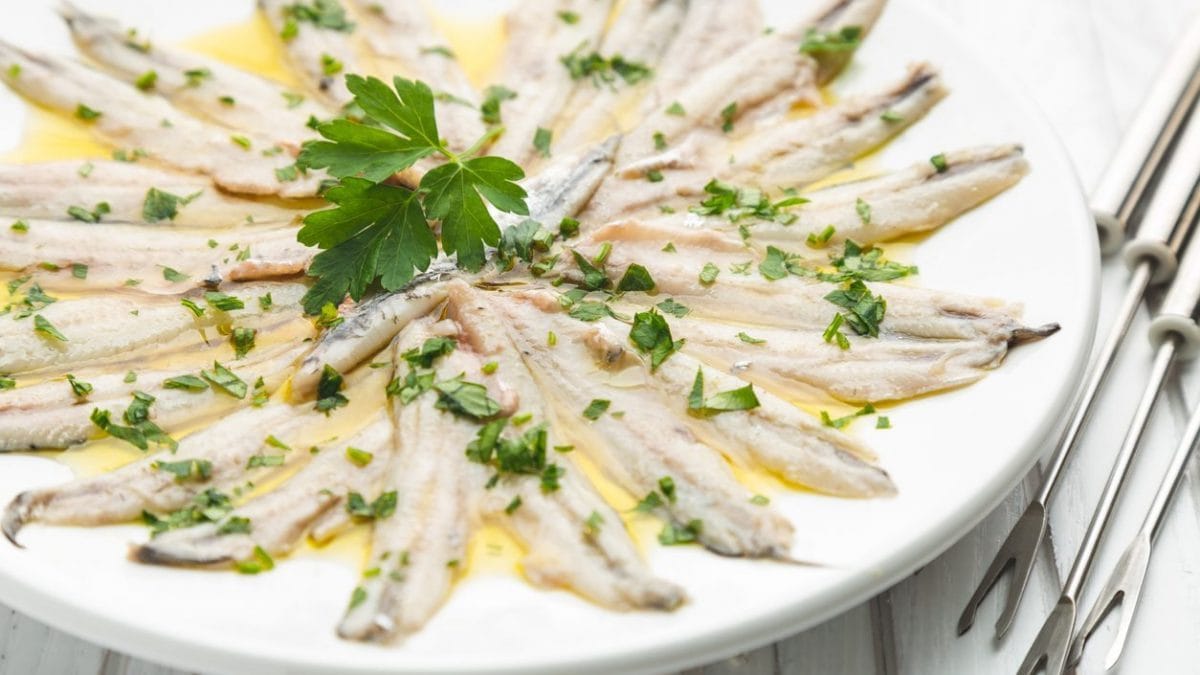
There's a belief that's hard to die in home kitchens, and sometimes even in professional ones: lemon "cooks" fish. A fascinating, almost poetic idea, it transforms a simple marinade into a kind of domestic alchemy capable of making something safe that wouldn't be raw. A few drops of citrus juice, a short wait, and the fish would be not only tastier, but also hygienically safe. Too bad that's not the case.
This belief, often passed down orally and rarely challenged, is one of the most persistent fake news stories in the gastronomic world. It stems from visual and sensorial observation, but it clashes with microbiology and the basics of food safety. Understanding why lemon doesn't cook fish, and especially why it doesn't eliminate bacteria and parasites, is essential for conscious cooking, without sacrificing iconic dishes like carpaccio, tartare, ceviche, and marinades.
What Does "Cooking" Really Mean?
In the kitchen, cooking is not an abstract concept: it means applying enough heat to profoundly and irreversibly alter the structure of foods, making them more digestible and, above all, safer from a microbiological standpoint. Cooking works by denaturing proteins, inactivating enzymes, and destroying most pathogenic microorganisms. It is a measurable, controllable, and reproducible process.
Real cooking begins when the core of the food reaches temperatures that render pathogens harmless. For fish, we're generally talking about 140-150°F/60–65°C at the core; for many meats, the temperature rises to around 160°F/70°C. These are measurable, non-negotiable thresholds that no acidic marinade can even touch.
Lemon doesn't provide heat: its juice is acidic, of course, but acidity isn't an alternative form of cooking; it's another type of transformation, superficial and partial, that can't be equated with the effects of heat. Essentially, lemon is not a natural disinfectant.

Why Fish and Meat "Seem" Cooked
The core of the misunderstanding lies in the appearance of both the meat, and especially the marinated fish: when it comes into contact with lemon juice, the meat changes color, becoming duller and firmer, losing the transparency typical of raw fish. This happens because the citric acid alters the structure of the surface proteins, causing them to coagulate in a manner similar to that which occurs with heat.
But it's an optical and tactile illusion: the transformation only affects the outer layers and doesn't reach temperatures or conditions that guarantee the elimination of pathogens. It's like painting a rusty door: the appearance improves, but the underlying problem remains.
It's true that some bacteria struggle to survive in highly acidic environments. However, the lemon juice used in marinades has neither the concentration nor the exposure time necessary to neutralize the main microorganisms associated with raw fish, such as Listeria monocytogenes, Salmonella, or Vibrio.
Furthermore, the acid's effect is uneven: it depends on the thickness of the fish, the amount of juice, the temperature, and the marinating time. It's neither a reliable nor standardized method.
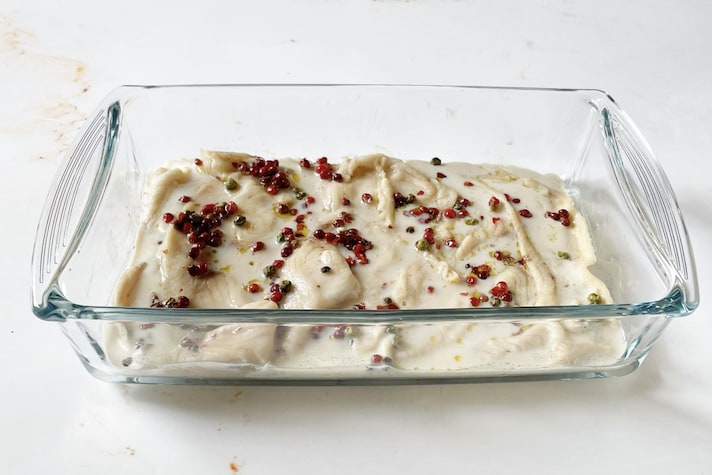
Anisakis Isn't Afraid of Lemons
Then there's an even more delicate issue: parasites. Anisakis, the invisible enemy of raw fish, is completely unaffected by lemon juice, vinegar, or other acidic marinades. It can remain viable even after prolonged immersion in acidic environments.
The only effective way to neutralize it is freezing at controlled temperatures, according to current regulations, or thoroughly cooking it. Thinking that lemon can "remediate" fish in this way is not only wrong, but potentially dangerous.

Marinate Yes, Sanitize No
Marinating is an important gastronomic technique: it adds flavor, aroma, softens fibers, and builds powerful cultural identities, from Latin American ceviche to traditional Mediterranean fish stew. But its role is sensorial, not hygienic: confusing taste and safety is one of the most common mistakes in the kitchen. Lemon is not a natural disinfectant, nor a shortcut to avoid proper practices like freezing or cooking. It is a precious and luminous ingredient that should be used for what it is.
;Resize,width=767;)
