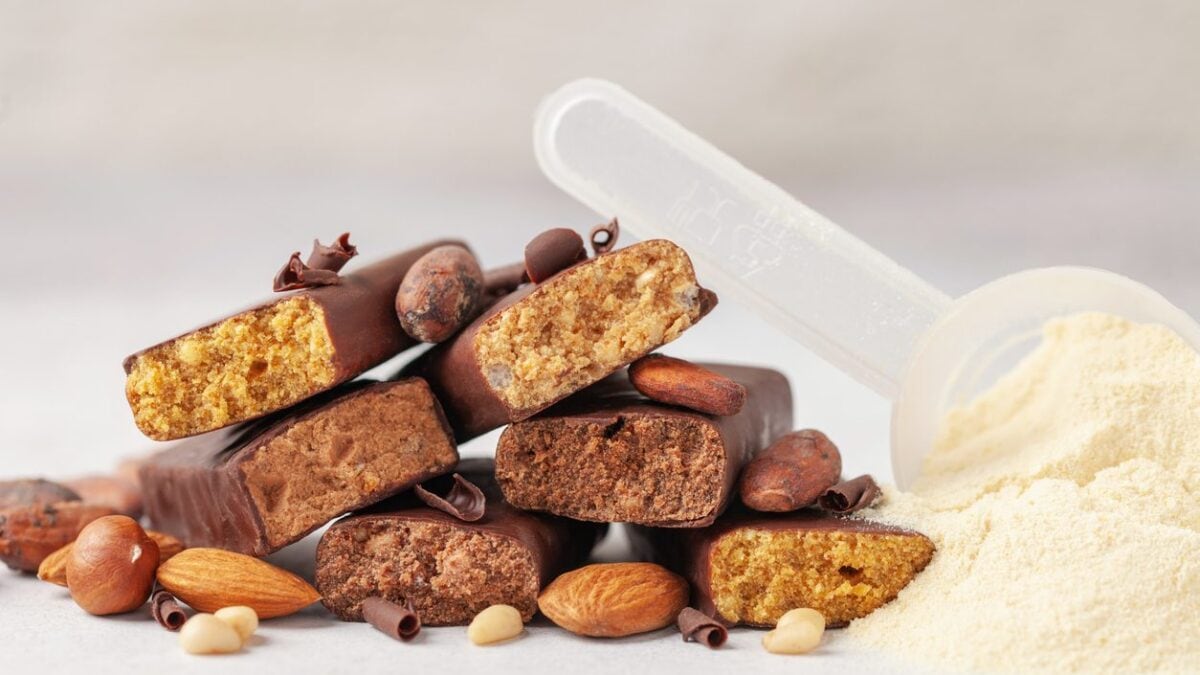
Protein for breakfast, lunch, and dinner. In recent years, this macronutrient has become a key component of our diet, thanks to enriched products, supplements, and diets that promote high protein intake. But does more protein really necessarily mean a longer, healthier life? A new review published in the scientific journal Cell Metabolism (part of the Cell Press group) suggests the answer may be more complex. Researchers analyzed over 350 studies on the association between protein restriction, aging, and longevity, observing that a reduction in protein intake may be linked to favorable changes in metabolism and some biological processes associated with aging.
What The Research Says
The reviewed studies show a particularly interesting effect in animals: in several experiments, mice and other rodents fed a lower amount of protein lived longer, even when their overall calorie intake was not reduced. In humans, the results are less clear-cut, but some studies have observed short-term metabolic improvements, including reduced body weight and improved fasting blood glucose, even without a significant reduction in calorie intake.
Researchers have also identified a possible mechanism underlying these effects: when protein intake (and specifically specific amino acids like methionine and BCAAs) is reduced, the liver increases production of FGF21, a key hormone in regulating metabolism. In animal studies, higher levels of this hormone have been associated with greater longevity: in mice genetically modified to produce more of it, lifespan was approximately 30% longer in males and 40% longer in females compared to control animals. The research also focused on certain amino acids, the "building blocks" of proteins: in particular, methionine, isoleucine, and valine appear to play a role in biological mechanisms related to metabolism and aging. Excessive consumption of these amino acids has been associated, in the studies analyzed, with processes such as inflammation and an increased risk of obesity.
Does This Mean We Should Eat Less Protein?
Not necessarily. The study's main message isn't that protein is harmful or that everyone should reduce their intake: on the contrary, it's a crucial nutrient for the body, particularly for maintaining muscle mass. The problem, according to the researchers, could be primarily related to excess protein in people who aren't physically active: athletes, for example, may have very different needs than those who lead a sedentary lifestyle. Certain groups, such as the elderly (especially those over 65, to prevent muscle loss and sarcopenia) and pregnant women, also have greater protein needs and are at risk of consuming too little.

Furthermore, much of the evidence on longevity collected in the review comes from animal studies: therefore, it cannot be concluded that eating less protein makes humans live longer. Rather, the research suggests that it may not be necessary to constantly pursue increasingly protein-rich foods, especially when there are no particular needs related to physical activity or age. According to the authors, in the future, recommendations could be more personalized and take into account not only age, but also lifestyle and physical activity level . In short, rather than eliminating protein from the diet, the question to ask might be another: do we really need so much of it?
;Resize,width=767;)
