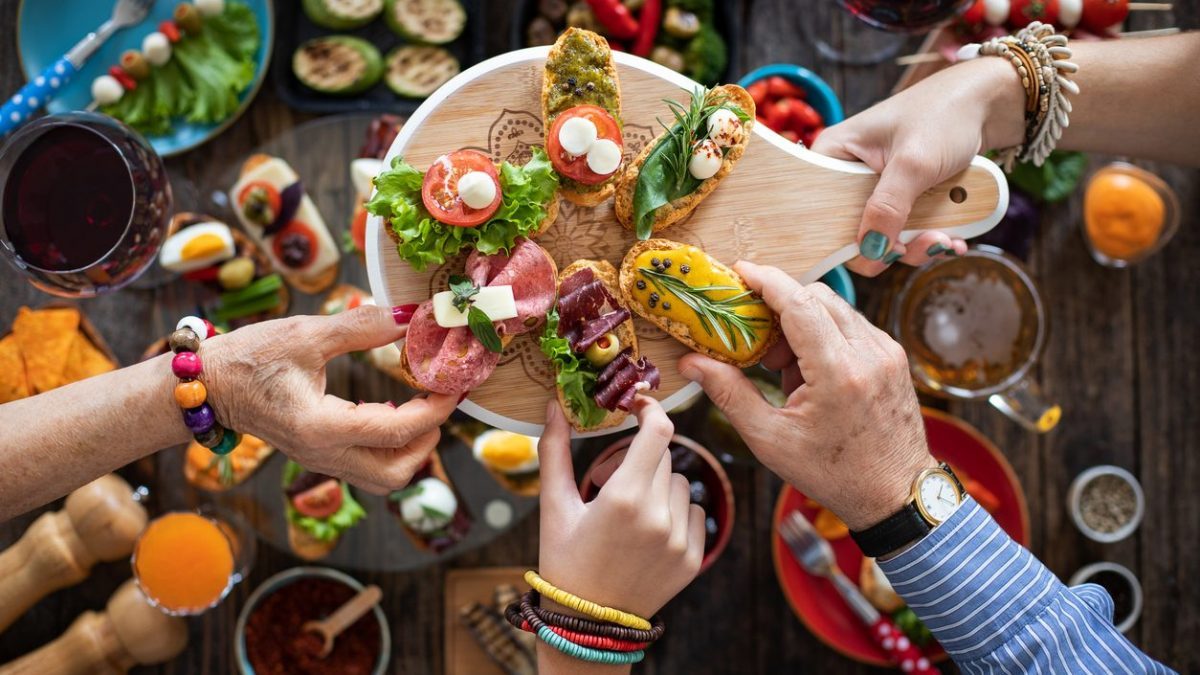
Eating with your hands isn't just a practice tied to traditional and local cultures, an action reminiscent of South Asian countries like India, Pakistan, Sri Lanka, and many others. In reality, this is a growing trend in the culinary world, and in the U.S. and abroad, many establishments prohibit the use of cutlery. The goals set by restaurateurs who decide to undertake this challenge are to ensure greater "sensoricity" at the table and to enjoy food in a different light than our everyday experience.
Why More and More Restaurants Are Adopting This Typology
One eye on India and the other on the new business. Emulating the similar culture of some South Asian countries (eating with your hands) is essentially a return to a more authentic dimension of food. This breaks down the barriers between diner and dish, allowing diners to rediscover cultural traditions that have been lost over time. The goal is to offer innovative gastronomic experiences through a practice that has gained considerable popularity in recent years, offering a different and more engaging way to enjoy food.

The trend towards offering dishes that are eaten with the hands is therefore growing rapidly, and there are several reasons for this: first of all, eating with the hands stimulates the sense of touch and allows us to better perceive the textures and temperature of the food, enriching the gastronomic experience which then becomes more immersive, more direct.
Most dishes eaten with your hands are meant to be shared among diners: finger foods, tapas, platters of cured meats and cheeses, and fried foods foster a more relaxed and social atmosphere, where the absence of cutlery encourages interaction among those at the table. It's almost a return to basics: eating with your hands is a traditional practice that seeks to connect all five senses with the food you're eating at that moment. Finally, there are those who simply see it as a fun and out-of-the-ordinary experience, a way to break the routine and try something new.

What Are The Places Where You Eat Only With Your Hands?
To list restaurants that have adopted the hand-eating policy, we can't help but start with excellence: Andoni Luis Aduriz‘s Mugaritz. Located in San Sebastián, in Spain's Basque Country, Mugaritz boasts two Michelin stars. Here, the Iberian chef offers a unique culinary experience where the absence of cutlery is an integral part of the concept. In past interviews, Aduriz explained that cutlery takes the rhythm out of the dish, and eating with your hands allows for a more direct connection with the food.

Another characteristic of this type of restaurant, which serves finger food, appetizers, fried chicken, and various tapas, is the serving of "medieval foods." Roast meats, rustic bread, and cheeses are served on large platters in the style of a 14th-century banquet. Typical menus are found at Sir Lancelot Knight's in Budapest, Hungary, and Excalibur in Bucharest, Romania. Both are medieval-themed restaurants where the code is simple: eating without cutlery or plates. The ambiance, decor, and service are designed to specifically recreate a medieval, timeless atmosphere.

In the U.S., there are several restaurants where eating with your hands is part of the experience. In New York City, The Clam offers a classic seafood menu with dishes like lobster rolls, crab, and fried clams, all meant to be enjoyed without utensils. The laid-back vibe encourages diners to dive in and experience the flavors directly, making it a hands-on, fun meal.
In Los Angeles, Bestia is famous for its Italian-inspired cuisine, and although it’s more upscale, diners are often encouraged to eat their charcuterie boards, pizzas, and antipasti with their hands, embracing the communal style of eating. The open kitchen and casual atmosphere create an environment where interacting with your food is part of the experience.
Moving to Chicago, The Chopping Block allows patrons to explore handheld foods like sliders, tacos, and nachos. The venue provides a more interactive approach, especially during events like food and drink pairings, where eating with your hands fosters a relaxed and engaging atmosphere. These restaurants embody a return to simplicity, where the focus is on enjoying good food without the need for cutlery.
Eritrea and India's Cuisine, Where Eating With Your Hands is Culture
It's well known that eating with your hands is a cultural practice common in many Middle Eastern and African countries. As we've said, sitting at the table and consuming food without cutlery fosters a different relationship with food and strengthens moments of conviviality among diners. This is well known in India, where, in most circumstances, people eat with their hands to create a connection with what they're eating. In some cultures, this is a gesture laden with symbolism, but if you're planning a trip to the beauties of New Delhi and Varanasi, be careful not to eat with your left hand. According to left-handedness theories, it's considered an impure hand, used for various bathroom tasks. Eating with your left hand, especially in the presence of locals, could be considered a total disrespect.

What about African cuisine, where, in many parts of the continent, eating with your hands is a centuries-old practice linked to the sharing of communal dishes? In the U.S., Eritrean cuisine has become very famous for its unique flavors, derived from a fusion of local traditions and the influence of Italian cuisine from the colonial period.

In cities like New York and Los Angeles, there are countless restaurants offering Eritrean cuisine, and dishes like zighinì are highly appreciated. It's essentially a spicy meat stew served with injera, a traditional soft, spongy bread. Zighinì is usually placed in the center of the table, and everyone at the table shares it, eating it with their hands and on top of the bread. Several Eritrean dishes encourage socializing among diners, which is precisely why this type of cuisine is becoming so popular in our country.
;Resize,width=767;)
