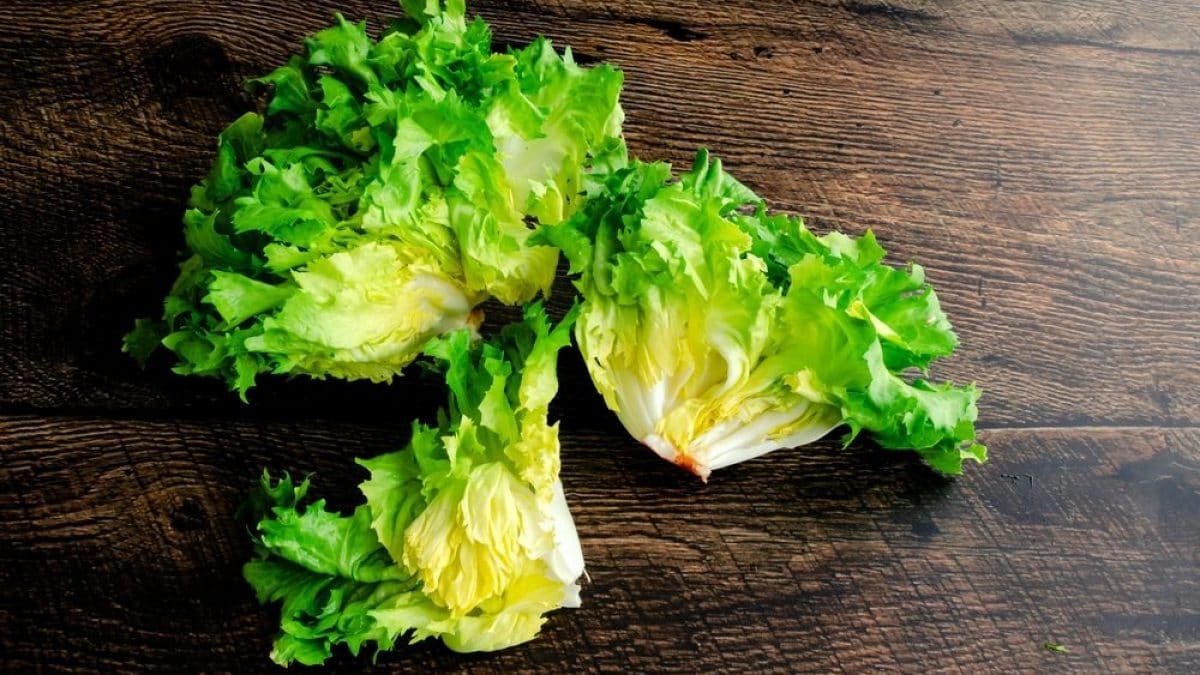
Often overlooked, escarole is a true powerhouse of health: this leafy green, with its crunchy texture and slightly bitter flavor, is a popular vegetable in Mediterranean tradition. Rich in vitamins, minerals, and fiber, escarole is also a valuable ally for our health. Here are all the benefits of this vegetable, its contraindications, and how to incorporate it into our daily diet.
Escarole Properties and Benefits
Escarole is an excellent source of essential vitamins and minerals. Rich in vitamins A, C, and K, it helps strengthen the immune system, protect eyesight, and promote blood clotting. It's also a good source of fiber, essential for proper intestinal function and preventing constipation. The presence of potassium makes it a valuable ally for heart health, while iron helps prevent anemia. Here's a detailed look at the benefits of escarole:
1. Antioxidant Action
Thanks to the presence of vitamin C and other phenolic compounds, escarole has an antioxidant effect, protecting cells from damage caused by free radicals and helping to prevent premature aging and some degenerative diseases.
2. Gut Health
The fiber contained in escarole promotes the growth of good bacteria in the intestine, improving digestion and preventing disorders such as constipation.
3. Cardiovascular Health
The potassium present in escarole helps regulate blood pressure, reducing the risk of cardiovascular disease.

4. Eye Health
The vitamin A contained in escarole is essential for eye health and helps prevent macular degeneration.
5. Energy and Purification
Escarole is a low-calorie, water-rich food, ideal for those looking to stay fit. Furthermore, thanks to its blend of fiber and water, it promotes diuresis and helps cleanse the body of toxins.

Contraindications
Despite its many benefits, it's important to remember that excessive consumption of any food, including escarole, can cause problems. People with thyroid problems should consult their doctor before consuming large quantities, as some substances in escarole may interfere with thyroid function. Furthermore, as with all foods, allergic reactions are possible, although these are rare.
;Resize,width=767;)
