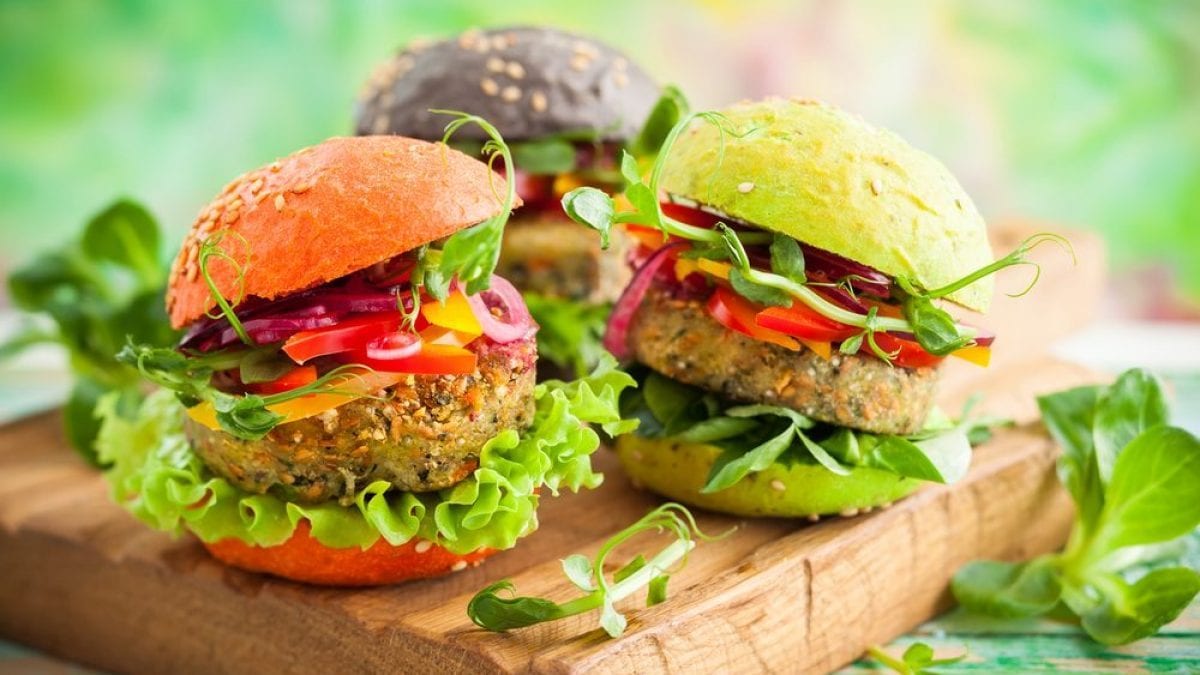
After years of discussions and failed attempts, the European Union has reached a compromise on the names of plant-based products that mimic meat. The agreement was reached during negotiations between the European Parliament, the Council, and the Commission as part of the revision of the regulation on the Common Organization of Agricultural Markets. The issue concerns so-called "meat sounding," that is, the use of words traditionally associated with meat to describe plant-based foods. The issue has become increasingly central with the growth of the plant-based market and the proliferation of products on grocery store shelves that replicate the shape, taste, and consumption method of meat.
The compromise reached seeks to balance two different needs: on the one hand, the protection of names historically linked to the livestock sector, on the other, the need for companies producing plant-based alternatives to use terms that are understandable to consumers. In recent years, the debate has involved agricultural associations, the food industry, environmental organizations, and consumer groups, transforming the issue of labeling into one of the most debated dossiers in European food policy.
The Banned Names and Those That Will Remain Permitted
The agreement establishes that 31 names deemed too closely related to meat cannot be used for vegetarian or vegan products. These are primarily terms that directly refer to animal species or cuts typically found in butcher shops, such as beef, chicken, bacon, steak, or T-bone. According to supporters of the restrictions, the goal is to avoid potential misunderstandings and preserve the identity value of traditional meat names.
At the same time, negotiators have chosen a more moderate approach than the initial proposals, which envisaged a much broader ban. Some terms that have now entered commercial parlance and are recognized by consumers will remain usable: words like "burger," "sausage," or "nuggets" may continue to appear on the packaging of plant-based products, provided the label clearly indicates their non-animal origin. In this way, the European Union aims to ensure transparency without forcing companies to abandon names that have become widespread on the market.

The Rules Also Extend to Cultured Meat
The issue of labeling for plant-based meat alternatives has been at the center of European political debate for several years. In 2020, the European Parliament rejected a similar proposal to ban the use of meat-related designations for plant-based products. Despite that decision, the issue remained on the table of European institutions, fueled by the rapid growth of the alternative protein sector.
The new restrictions will affect not only plant-based products already on the market, but also so-called novel foods: these include foods obtained through cell cultivation, often referred to as cultured meat or lab-grown meat. These are food technologies still undergoing regulatory evaluation in the European Union, but several startups and companies are investing in them with the aim of developing new protein sources.
Applying the designation rules to these products early means immediately defining the regulatory framework for their potential entry into the European market. However, some companies in the sector fear that limiting the use of terms familiar to consumers could make it more difficult to explain and promote these innovative foods. On the other hand, supporters of the measure believe it is necessary to prevent new products from being presented with names that could be perceived as equivalent to traditional meat.
Consumers Distinguish Plant-Based Products
Several studies conducted in recent years indicate that the risk of confusion for consumers may be more limited than some critics of plant-based alternatives claim. Research by the European Smart Protein project found that only 9% of citizens surveyed in nine EU countries were unable to correctly identify plant-based alternatives to meat. The majority of respondents were therefore able to distinguish between traditional products and plant-based versions.

The Plant-Based Market is Also Growing in The U.S.
Meanwhile, the plant-based alternatives market continues to grow in the United States. According to a recent report from the Plant Based Foods Association, the percentage of Americans who regularly consume plant-based products has increased by 8% since 2023. This growth reflects both rising consumer interest in sustainable diets and the expanding availability of plant-based options in major grocery stores.
Among the most popular products are plant-based burgers, sausages, and meatballs, consumed by 45% of Americans. Next are plant-based milks, chosen by 35% of consumers, and dairy-free yogurts, consumed by 32%. On the sales front, meat substitutes saw a 10% increase between 2023 and 2024, while plant-based drinks and dairy-free yogurts continued to grow, albeit at a slower pace.
;Resize,width=767;)
