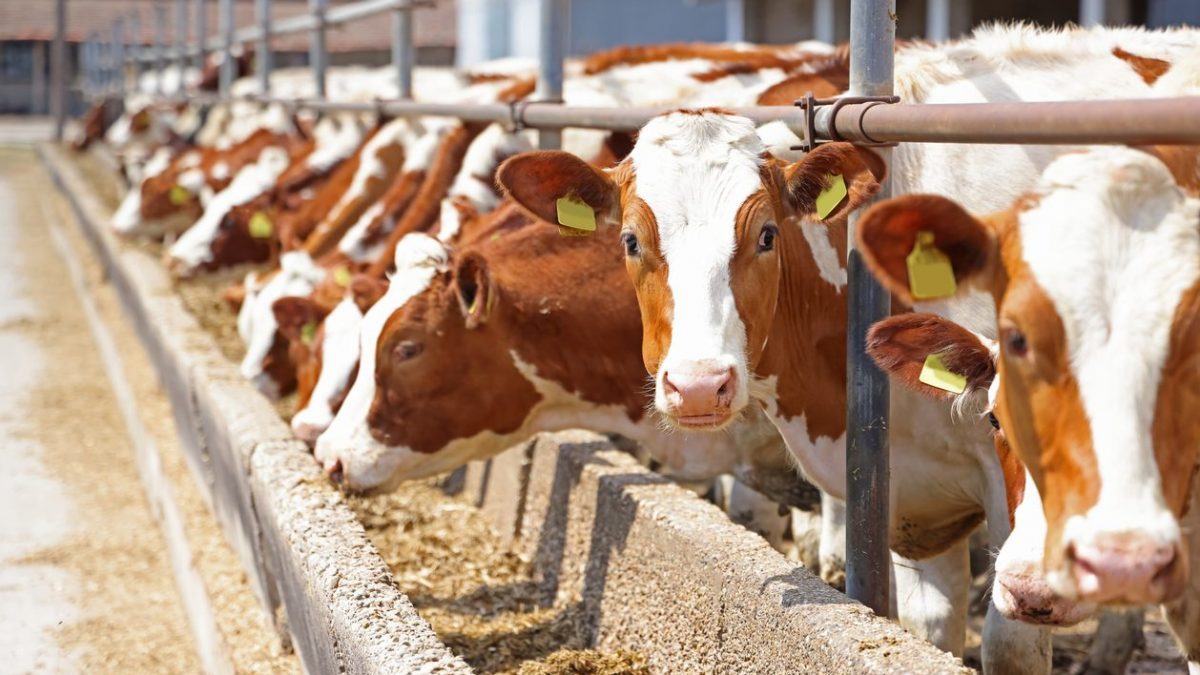
There is a clear and profound gap between what Europe promotes and what it actually incentivizes. While on the one hand, a greater consumption of plant-based foods compared to animal proteins is (rightly) encouraged, on the other, the European Union itself continues to allocate far more economic resources to livestock farming than to plant crops. This discrepancy is highlighted in a report published by Foodrise, a non-governmental organization, which highlights how the Common Agricultural Policy (CAP) is funding a dietary model deemed inconsistent with its stated climate and health objectives.
The Report's Numbers
The report is based on a 2020 study by Leiden University and reveals impressive figures: funding for sheep and beef farming is approximately 580 times higher than that for legumes. This disproportion also affects the dairy sector, which reportedly received subsidies 554 times higher than those for nuts and seeds. This system thus incentivizes a diet rich in meat and dairy products, at a time when doctors and experts emphasize the need to reduce consumption for public health reasons and also to reduce environmental impact.
In absolute terms, approximately €39 billion was allocated to the meat and dairy sectors during the reporting period, compared to just €3.6 billion for fruit and vegetables and €2.4 billion for cereals. This difference emerges despite the report estimating that animal-based foods are responsible for between 81% and 86% of embodied greenhouse gas emissions, i.e., those generated throughout a food's life cycle. This share is particularly significant considering that these products provide only 32% of the calories consumed in the European Union. This means that two-thirds of daily energy comes from cereals, legumes, fruits, vegetables, and other plant-based products.
How the CAP Works and Why It Favors Livestock Farming
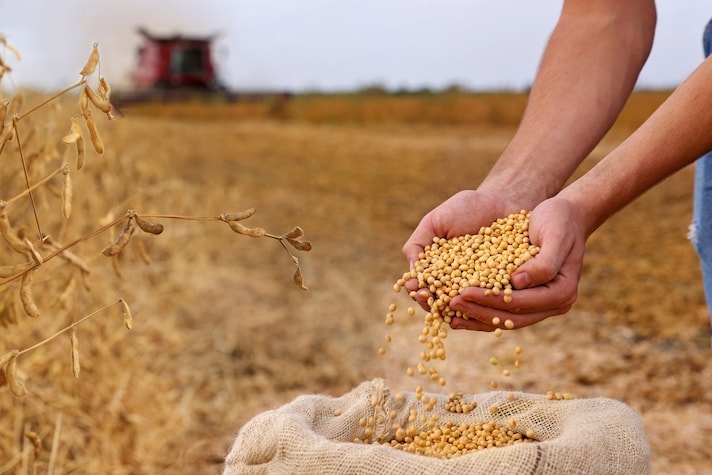
This disparity is rooted in the criteria for allocating CAP funds, which are tied to farm size rather than production type or method. Meat and dairy production chains, in this sense, occupy a larger share of land than plant crops—especially when considering crops grown for animal feed —and, consequently, receive a larger share of funds.
Martin Bowman, Foodrise campaigner and author of the report, said: "It is scandalous that such an unfair share of EU subsidies, amounting to billions of euros of European taxpayers' money, is being invested to support high-emission meat and dairy production and distort European diets. The CAP is at a crossroads and EU policymakers have a huge opportunity to change course and take the necessary measures to support a just transition towards healthy, sustainable and plant-rich diets."
A Possible Change of Course
As we've said, the report is based on the most recent data available at the time of analysis, relating to 2020. Although several years have passed, the authors believe it unlikely that any change leading to an improvement in the overall picture has occurred in the meantime. However, a small glimmer of hope did come in 2024, during a strategic dialogue promoted by Ursula von der Leyen together with farmers, supermarkets, scientists, and environmental groups, which recognized that Europeans eat more animal protein than recommended by experts, thus necessitating a change of direction to encourage plant-based diets.
According to the Foodrise report, adopting a healthy and sustainable diet in high-income countries would lead to a reduction in emissions from agricultural production of around 61%, "as well as reducing the EU's dependence on food imports, increasing farm incomes, reducing fertiliser use in the EU by around a quarter, reducing deaths from air pollution, and preventing 10 to 39% of cancers in Europe".
;Resize,width=767;)
