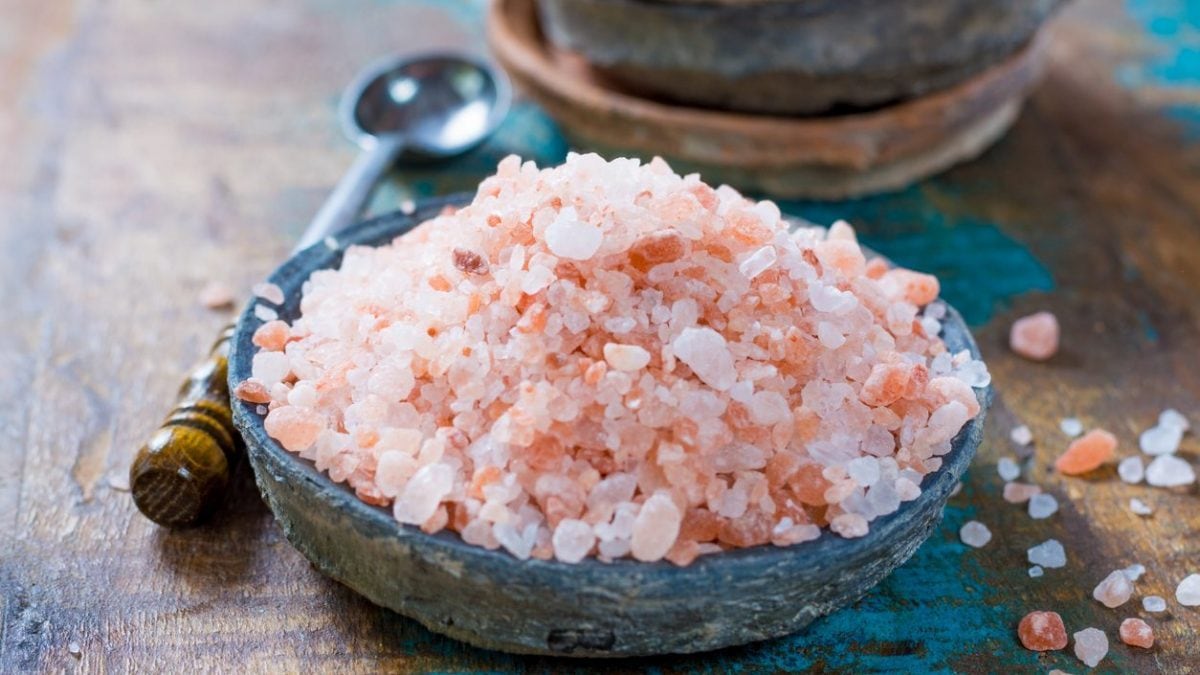
Have you seen it on countless dishes and at the supermarket and thought it was an "exotic" and valuable product? We're sorry to disappoint you: today we're here to explain what Himalayan pink salt really is and why it's actually a huge gastronomic scam. First, we want to reassure you that you're not the only one who's fallen into the advertising trap of this product, which, over time, has almost become a source of natural well-being, beautiful to look at in the kitchen, and ten times more expensive than regular salt. But what are its actual benefits, and how does it differ from the common salt we use every day? Spoiler: nothing. Behind a sprinkling of Himalayan pink salt, there are more marketing gimmicks than minerals.
Himalayan Salt Doesn't Come From the Himalayas
We need to start with a bang: although the name of this product may make you think of the pristine peaks of the Himalayas, Tibetan monks, and absolute purity, pink salt actually comes from Pakistan. It's mined in the Khewra mine in Pakistan's Punjab, about 300 kilometers from the Himalayan mountain range. So yes, it doesn't essentially come from where its name says it comes from: a first and decisive warning bell about the reliability of this product. This area was once bathed by a sea that has now dried up, and when the waters receded, they left behind enormous salt deposits, which were then compressed and today are mined with pickaxes and dynamite.
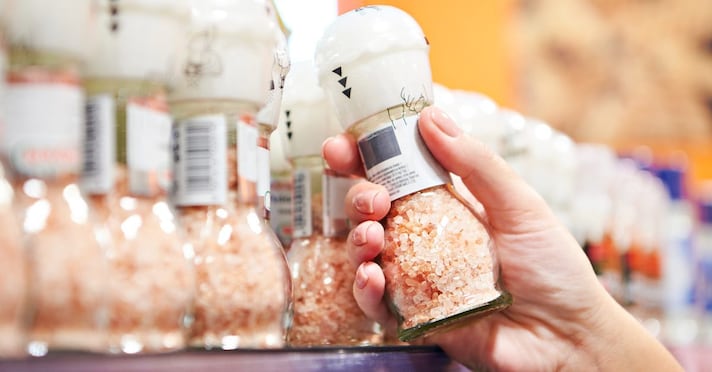
At first glance, it's a beautiful and elegant product: pink crystals, sometimes with orange hues. The color comes from traces of iron and minerals like calcium, magnesium, and potassium, and hence the legend that it contains 84 minerals. In reality, various studies and analyses have found only about twenty minerals in minimal quantities, too small to have any health effects, as established by the National Institutes of Health. So what is it made of? 98% sodium chloride, practically the same as what costs less than 40 cents at the supermarket. So is it good or bad? It's a bit of a spectacle. Online, you can read various testimonials explicitly claiming it balances pH, purifies the air, stimulates the immune system, improves sleep, and helps you breathe better: practically, a product capable of working miracles, but sadly, none of these claims have been scientifically proven. Furthermore, Himalayan pink salt is not iodized and therefore does not protect against iodine deficiency, a key nutrient for the thyroid. Using it exclusively could be risky especially for children and pregnant women.
Why is It Used so Much?
If up to this point we've said that Himalayan pink salt is exactly the same as regular salt, but with a huge price difference, it means it's so popular because people like to believe in fairy tales. A more sensible reason, however, could simply be that it's essentially an "Instagrammable" product: it's beautiful, trendy, and makes a gourmet dish look like it's been around for a while. So, if you're aware of its uselessness and only use it for photography, then you might be okay with buying it, but if you're buying it because you think it has some therapeutic properties, it's better to save money and buy regular salt.
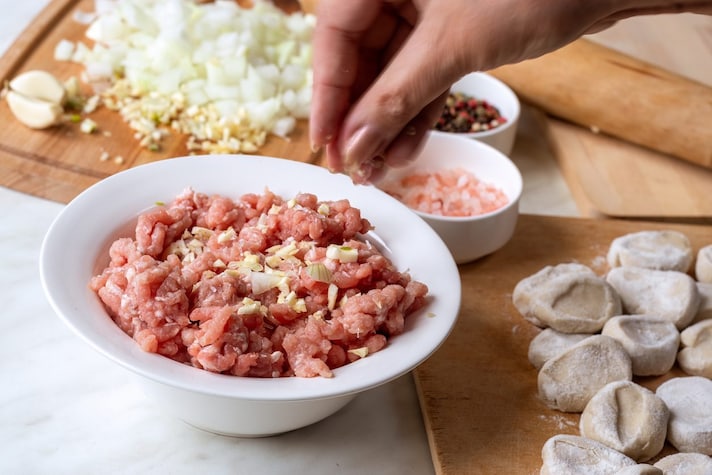
It's aesthetically pleasing, but it has no health benefits, isn't curative, and isn't any purer than other treatments. It's simply a visual treat with a touch of well-crafted storytelling.
Other Types of Colored Salt
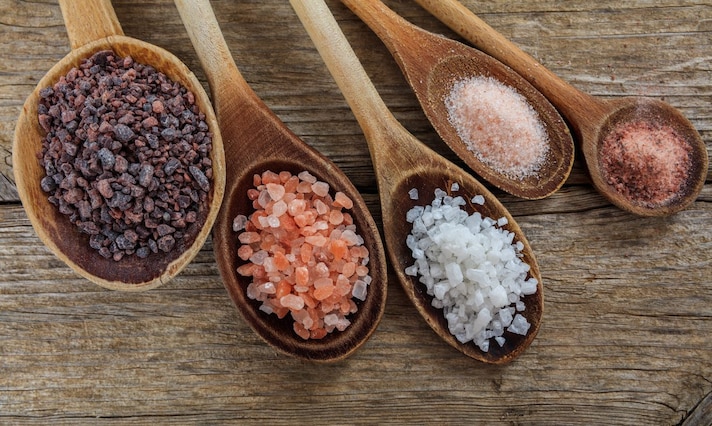
There are countless colored salts in the world. Besides pink Himalayan salt, there's Cypriot black salt, red Hawaiian salt, and gray Breton salt. They're all fascinating, but they lack any real nutritional benefits. The amount of minerals they contain is significant, they don't provide any real health benefits, and they're also much more expensive than traditional salt. The main appeal, as we've already said, is purely aesthetic and marketing-related. In terms of public health, the most beneficial choice is iodized salt, which is inexpensive and prevents iodine deficiencies.
;Resize,width=767;)
