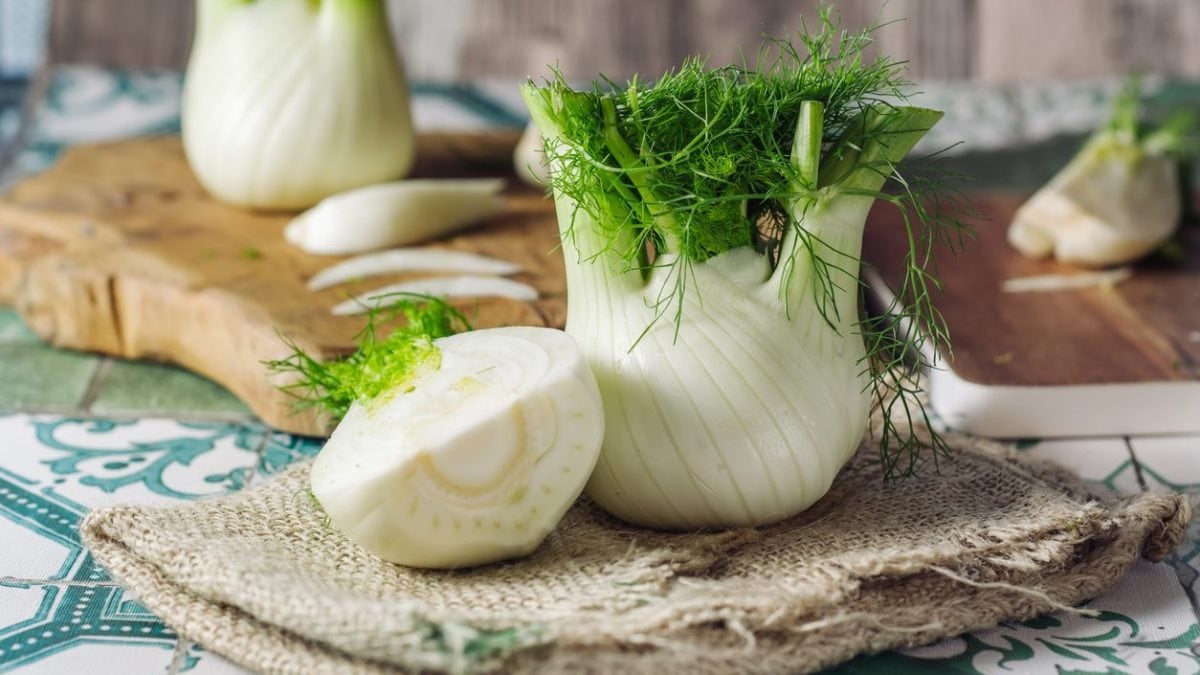
Fennel, with its white bulb and bright green leaves, is much more than a simple ingredient in salads or side dishes. Hidden within its crunchy leaves and sweet heart is a concentration of vitamins, minerals, and antioxidants that make it a valuable ally for our well-being. Renowned for its digestive properties, fennel actually provides many other benefits to our body: here are some.
Fennel's Properties and Benefits
Fennel, besides being a versatile and tasty ingredient, is a true health panacea. Rich in vitamins, minerals, and phytochemicals, this vegetable has a beneficial effect on numerous aspects of our well-being. From its digestive properties to its anti-inflammatory properties and antioxidant action, fennel is a valuable ally in the prevention and treatment of various diseases. Among its main properties are:
- Rich in vitamins and minerals. Fennel is a source of vitamin C, a powerful antioxidant that protects cells from free radical damage. It also contains B vitamins, essential for energy metabolism, and minerals such as potassium, phosphorus, and magnesium, which are important for bone and muscle health.
- High water and fiber content. Thanks to its high water and fiber content, fennel promotes intestinal regularity, countering constipation and bloating.
- Digestive properties. Fennel is an excellent digestive aid, thanks to the presence of anethole, a substance that promotes the production of intestinal gas and relieves digestive problems, such as bloating and cramps.
- Diuretic action. Fennel has a diuretic effect that promotes the elimination of excess fluids and toxins from the body.
- Calming effect. Thanks to its relaxing properties, fennel is useful for combating insomnia and anxiety.
- Benefits for vision. The beta carotene present in fennel helps maintain healthy vision and prevent macular degeneration.
- Antioxidant properties. The antioxidants contained in fennel protect cells from free radical damage, slowing cellular aging and preventing the onset of chronic diseases.
As we mentioned, fennel offers great digestive benefits: it relieves digestive problems, such as bloating, cramps, and heartburn. Thanks to its potassium content, fennel helps regulate blood pressure and protect the heart.
Fennel's antioxidant properties are also beneficial for the skin, helping to keep it youthful and radiant, counteracting the signs of aging. As for the nervous system, fennel's relaxing properties promote sleep and reduce stress.

Contraindications
While fennel is generally considered a healthy food, like any food, it has some contraindications. In some cases, and in sensitive individuals, excessive fennel consumption can increase the skin's sensitivity to sunlight, causing redness and sunburn. Although rare, interactions between fennel and certain medications, such as anticoagulants, are possible: it is always advisable to consult your doctor before taking fennel supplements if you are undergoing any medications.
Fennel consumption is not recommended for children under 4 years old, as their digestive systems may not yet be ready to digest the substances contained in this vegetable. Finally, as with any other food, allergic reactions to fennel are possible, especially in those who are already allergic to other plants in the Apiaceae family, such as carrots, parsley, or anise. Symptoms may include rashes, itching, swelling, and difficulty breathing.
;Resize,width=767;)
