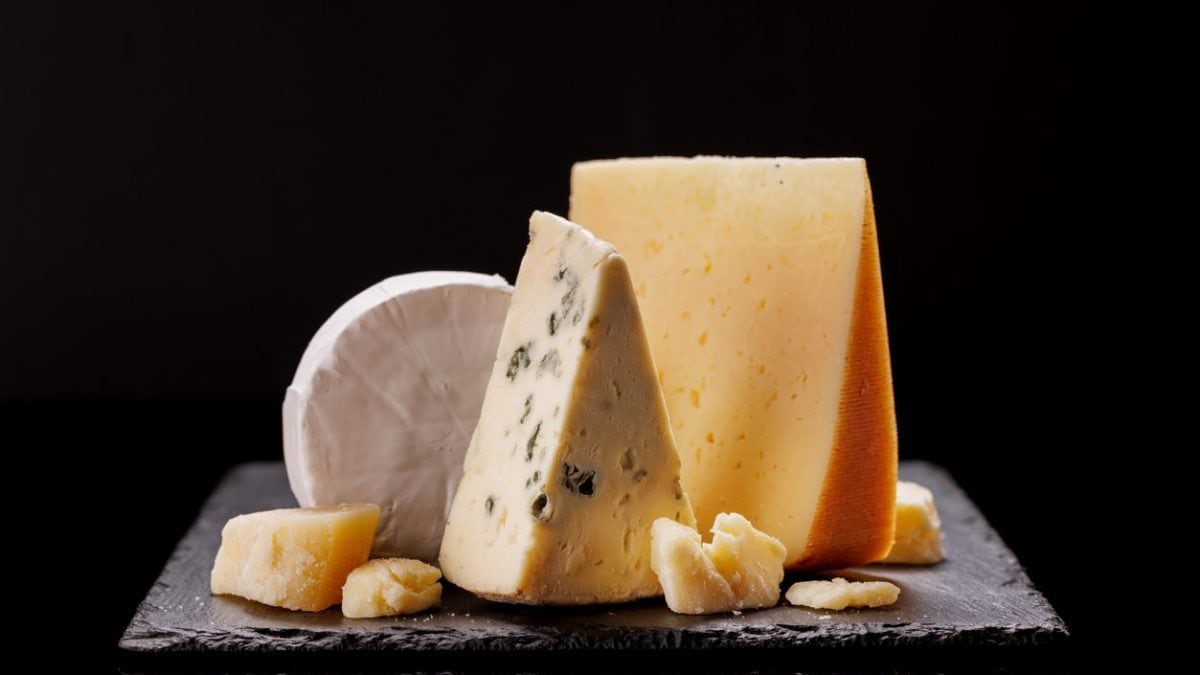
The news all cheese lovers have been waiting for has finally arrived: according to a recent Swedish study, consuming high-fat cheeses may be associated with a reduced risk of dementia in later life. A result that seems too good to be true, but apparently it is. Therefore, before rushing out to buy 7 kilos of provolone and buffalo mozzarella, it's worth pausing for a moment and making a few small (but crucial) clarifications, specifying what was discovered and understanding the limitations of this study.
Full-Fat Cheeses' Rebirth
The study, published in the journal Neurology and conducted by the Malmö Diet and Cancer research group, observed 27,670 people aged between 45 and 73 for over 25 years. The result, absolutely surprising given the constant demonization of certain foods, was that those who consumed around 50 grams of cream or full-fat cheese daily —that is, with more than 20% saturated fat—were less likely to develop dementia than those who ate low-fat or "low-fat" products.
Participants were asked to keep a diary of everything they ate for a week, complete a written questionnaire, and undergo an in-person interview. Furthermore, in 2014 and 2020, experts subjected them to health checks: those who ate the most high-fat cheese had a 13% lower risk of developing dementia than those who ate little or none. The same was also demonstrated for cream: those who consumed about 20 grams a day had a lower risk than those who consumed none.

Why You Should Still Be Cautious
This is a point we make every time we discuss new research, and in this case, it's even more necessary: despite the team's experience, the study has some important limitations that should be considered before stocking up on all our favorite cheeses. First, the researchers only took the patients' diets into account at the beginning of the study, without considering that eating habits may have changed over the years. Furthermore, it is an observational study, meaning it doesn't demonstrate a direct cause-and-effect relationship, but only a statistical association.
The results must then be placed in a broader context and the individual's entire diet must be considered: in fact, if cheese, thanks to its vitamin and mineral content, replaces other potentially more "dangerous" foods, such as processed or high-fat red meats, then it can truly be a valuable ally for our health. The study did not evaluate, however, what happens if full-fat cheeses replace sources of unsaturated fats considered beneficial, such as fish, olive oil, nuts, or seeds. It should be noted, however, that the researchers adjusted the results for factors such as age, gender, education level, and overall diet quality, trying to emphasize as much as possible the specific role of high-fat cheeses.
;Resize,width=767;)
