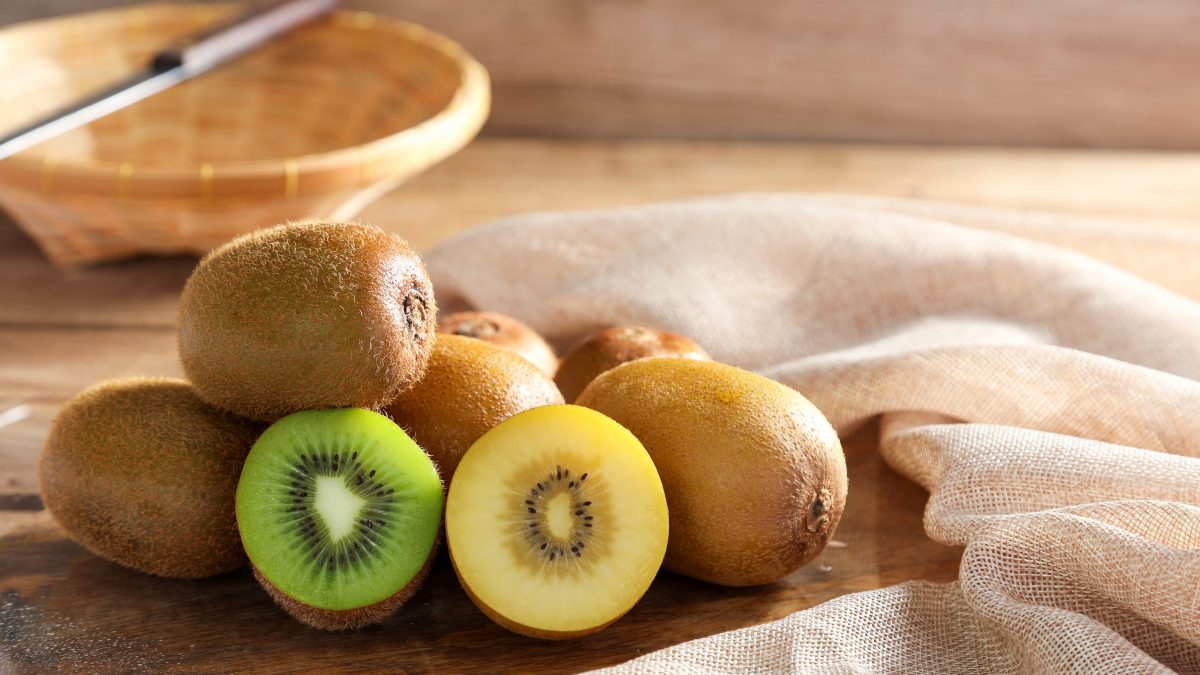
One green, one yellow. One sweet, one tart. What are we talking about? Kiwis, of course. We usually see the green one on our tables , but in recent years the yellow variety, also known as SunGold, has also gained considerable popularity. Native to two completely different areas, they are both an incredible source of nutrients: antioxidants, rich in vitamin C and potassium, they are suitable for everyone, and thanks to their low calorie content, they are especially ideal for those on a diet. Let's discover together the characteristics, both common and unusual, of this delicious fruit.
An Exotic Fruit (Or Maybe Not)
Although their color and flavor may resemble a fruit from far away, kiwis are actually largely produced in the U.S.. According to an estimate by the FAO (Food and Agriculture Organization of the United Nations), around 270,000 hectares of land are dedicated to kiwi production worldwide. The U.S., historically, has 4,400 acres of land dedicated to the production of kiwis, with 3,700 acres being only in California. In short, we can say that the kiwi is a fruit that belongs entirely to our culinary tradition.
In any case, it's worth remembering that both kiwi varieties aren't actually American by origin. In fact, the yellow kiwi comes from faraway Asia, more precisely from southern China, while the green one is native to New Zealand.
"An Apple a Day Keeps The Doctor Away"… But Also a Kiwi
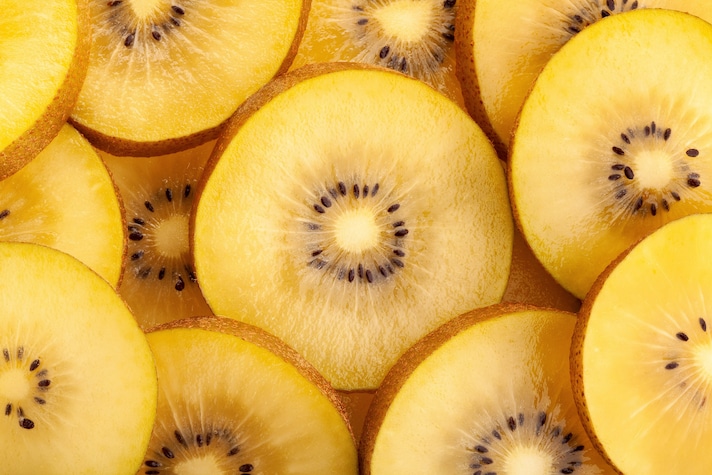
Perhaps not everyone knows that kiwis contain a remarkable amount of benefits. Would you ever have said they have more vitamin C than oranges? Well, yes, that's exactly right. Just think that 100 grams of kiwis contain 85 mg of vitamin C for the green variety and a whopping 152 mg for the yellow variety, making them ideal for strengthening your immune system. They are also excellent allies for improving intestinal function: in fact, they are rich in fiber, especially the green ones, which are the only ones to contain the enzyme actinidin, which helps absorb proteins and is therefore particularly recommended after eating protein foods. Furthermore, both are an incredible source of minerals and contain no fat, cholesterol, or sodium.
Differences Between Yellow and Green Kiwis
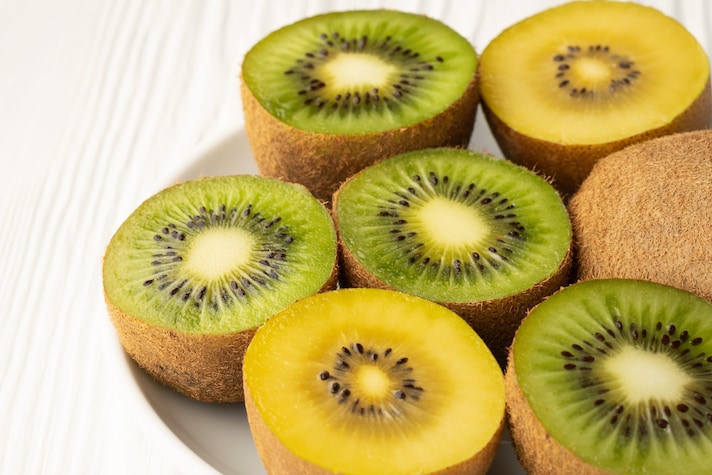
Despite their clear similarities, these two kiwi varieties differ in a number of characteristics. First and foremost, their skin: the green kiwi has a dark brown skin and small hairs on the surface, while the yellow one has a lighter, smoother exterior. Inside, besides the color, which is the second most obvious characteristic, the green kiwi has a larger core and more seeds than the yellow one. Furthermore, the yellow one has a more elongated and oval shape than its green counterpart. Let's move on to their taste: the gold one has a sweeter flavor than the more tart green one.
Precisely because of these characteristics, they also differ in terms of how we can use them in the kitchen. In addition to being enjoyed on their own, kiwi can accompany many delicious recipes. SunGold is the best companion for desserts or salads, while green kiwi is more suitable for preparing bitter salads or for preparing light sauces to serve with meat or fish.
How to Store Kiwis
In or out of the fridge? Both, but it depends on the degree of ripeness. If you happen to buy kiwis that are too unripe and particularly hard, we recommend leaving them at room temperature for a few days. Once they have reached the desired ripeness – or if you bought them ready to eat – you can store them in the fridge, where they will keep for about two weeks.
;Resize,width=767;)
