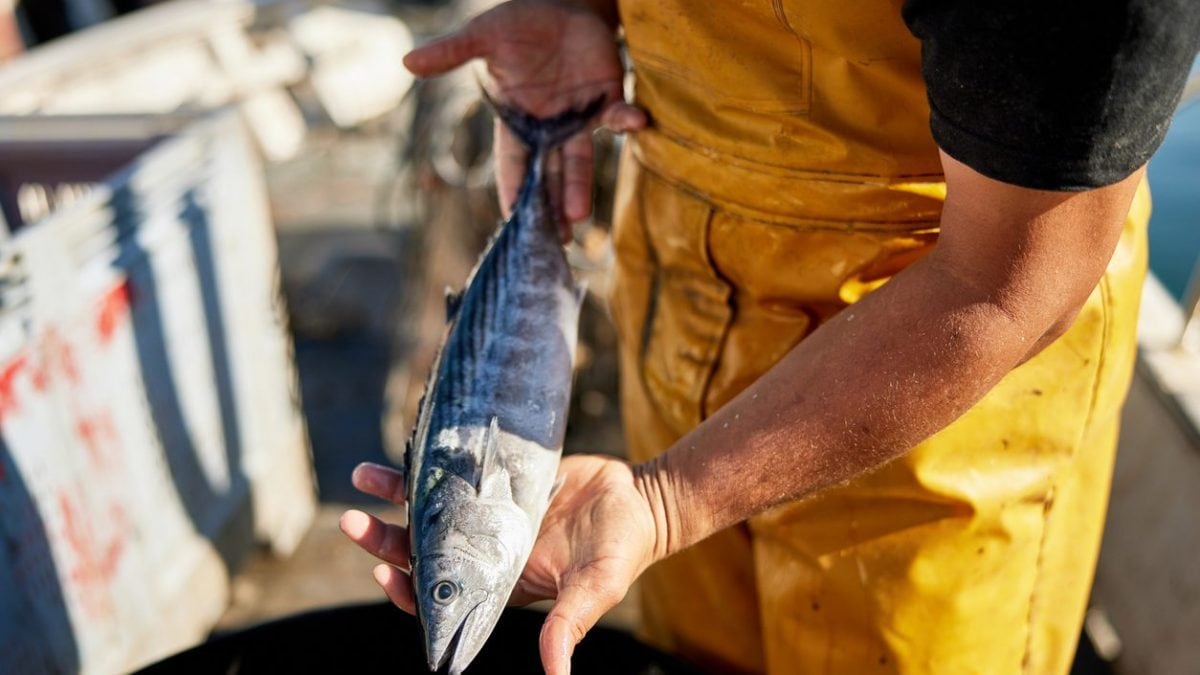
Every year, 2.8 million tonnes of tuna are landed from fisheries certified by the Marine Stewardship Council, equal to half of the world's catch. This good news was shared by MSC, a non-profit organization that promotes ocean health through a sustainable fishing program, on World Tuna Day, which falls annually on May 2nd. "Over 50% of the tuna caught worldwide is now MSC certified or in the process of being evaluated for certification, a significant improvement compared to the past and an encouraging sign for the conservation of global fish stocks." Every now and then, there's good news that confirms that certain efforts are not in vain, even if it may seem that way from a consumer perspective.
Sustainable Tuna Around the World
Tuna is one of the most fished species in the world: it is estimated that over 5 million tons of tuna are caught each year. Increasing the quotas for tuna caught using MSC-certified practices is therefore considered an important step in combating overfishing and illegal fishing, which has severely damaged some tuna populations in the past.
MSC certification guarantees that tuna comes from responsibly managed fish stocks, is caught with minimal impact on marine ecosystems, and is traceable throughout the supply chain. The MSC program is one of the most rigorous in the world for certifying sustainable fishing and involves independent audits, data transparency, and continuous improvement of fishing practices.
Species covered include yellowfin tuna, bigeye tuna, albacore tuna, and skipjack tuna, which account for the majority of tuna consumed globally, both fresh and canned. The Marine Stewardship Council (MSC) has begun certifying some bluefin tuna fisheries, although to a very limited extent compared to other tuna species.
The MSC announcement represents a milestone in the sustainable management of global marine resources and reflects the growing commitment of companies, governments, and consumers to responsible practices. However, not all tuna fishing is yet sustainable: work remains important in many areas, especially in contexts with less stringent regulations or traceability challenges.
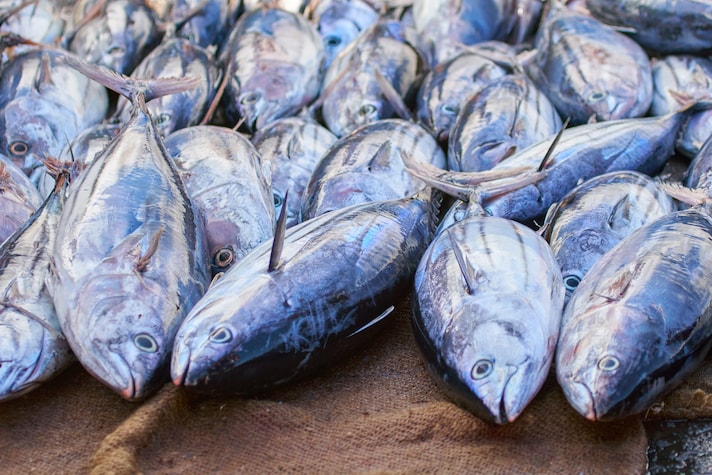
And What About Bluefin Tuna?
Bluefin tuna (Thunnus thynnus) is more difficult to certify according to Marine Stewardship Council criteria than other tuna species for a variety of biological, management, and environmental reasons. This particular species takes several years to reach sexual maturity (up to 8 years), making it particularly vulnerable to overfishing: unlike yellowfin tuna or skipjack, which reproduce more rapidly, the bluefin tuna population takes longer to recover. Furthermore, bluefin tuna crosses the Atlantic and Mediterranean, making it difficult to accurately monitor its routes and define isolated stocks.
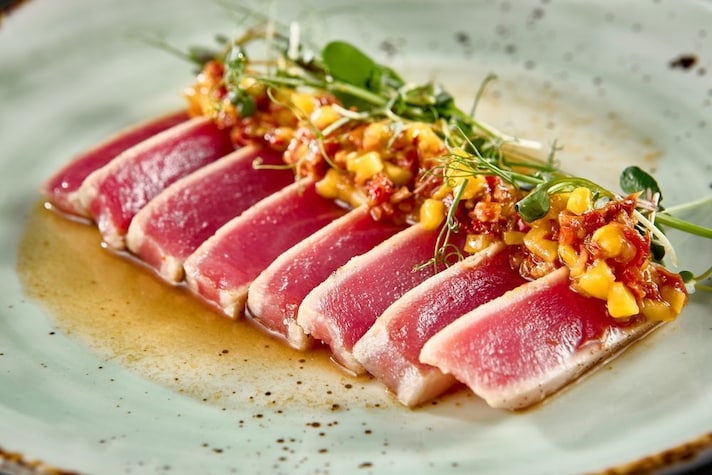
Bluefin tuna is a highly valuable commercial species, especially in the sushi and sashimi market: this makes it subject to intense fishing pressure, including organized poaching. Until the mid-2000s, bluefin tuna fishing—especially in the Mediterranean— was virtually unregulated, and the species suffered a serious decline due to overfishing and illegal fishing (IUU). Only since 2007 has the ICCAT (International Commission for the Conservation of Atlantic Tunas) begun imposing stricter fishing quotas, traceability systems, and more stringent monitoring. Although some assessments now indicate a partial recovery of stocks, confidence in data and management mechanisms remains a matter of scientific and environmental controversy.
The fact that the bluefin tuna problem is subject to multilateral management by international organizations (such as ICCAT), involving numerous countries with divergent interests, increases the complexity of monitoring and protection operations: decisions on quotas, controls, and regulations often take place in a climate of political tension and over a slow timeframe, making the uniform application of stringent criteria such as those required by the MSC difficult.
While the MSC has begun certifying some bluefin tuna fisheries, they still represent a small fraction of the total. Certification of this species remains a complex and evolving issue, with a delicate balance between promoting sustainable fishing and the need to protect bluefin tuna stocks in the long term.
;Resize,width=767;)
