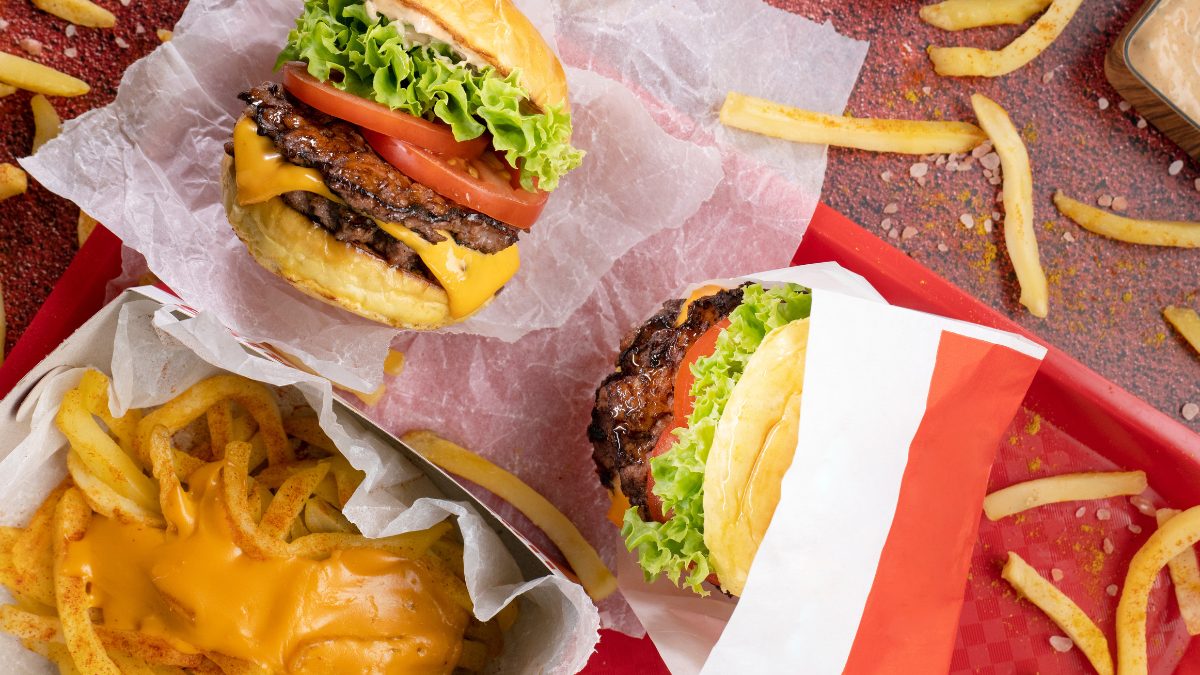
The Michelin Guide has long been the gold standard for fine dining, celebrating luxury restaurants with tasting menus and world-class chefs. But over the last decade, the guide has broadened its palate—literally. Yes, it’s true: a few fast food–style eateries have earned Michelin stars, shaking up the notion that great food has to come with white tablecloths and a three-month reservation wait.
The First Street Food to Earn a Star
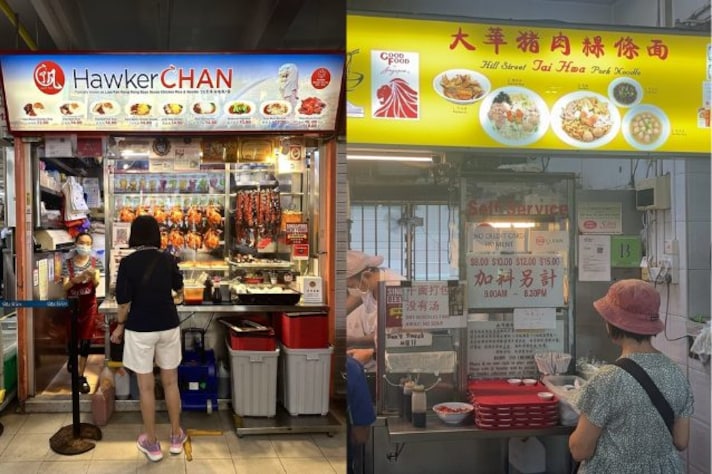
The biggest shock came in Singapore in 2016, when Hawker Chan, a humble food stall known for its soy sauce chicken rice, became the first street food stand ever to receive a Michelin star. The chef, Chan Hon Meng, was running a tiny hawker stall serving plates for about $2. His reaction was as humble as his setup—he never imagined his dish would be recognized alongside restaurants with sommeliers and silverware.
That same year, another stall in Singapore, Hill Street Tai Hwa Pork Noodle, also earned a star for its masterfully balanced bowl of noodles topped with minced pork and vinegar sauce. Both wins were historic—and proof that excellence isn’t defined by luxury.
Why These Wins Mattered
The Michelin Guide’s recognition of hawker and fast-casual cooking was more than symbolic; it marked a shift in how the culinary world values craftsmanship. These chefs showed that precision, consistency, and heart could shine even without polished dining rooms or steep price tags.
While the U.S. hasn’t seen a traditional “fast food” chain earn a star, Michelin has awarded stars to more casual spots—like Los Angeles’ taco stands and New York’s ramen shops—that blur the line between everyday eats and fine dining.
For many food lovers, these wins remind us that “fast” doesn’t always mean “cheap” or “lesser.” It means food prepared with speed, skill, and passion—something the world’s best chefs know all too well. And while no McDonald’s or Chick-fil-A is earning a Michelin nod anytime soon, the idea that a $3 meal can rival a $300 one? That’s something worth celebrating.
;Resize,width=767;)
