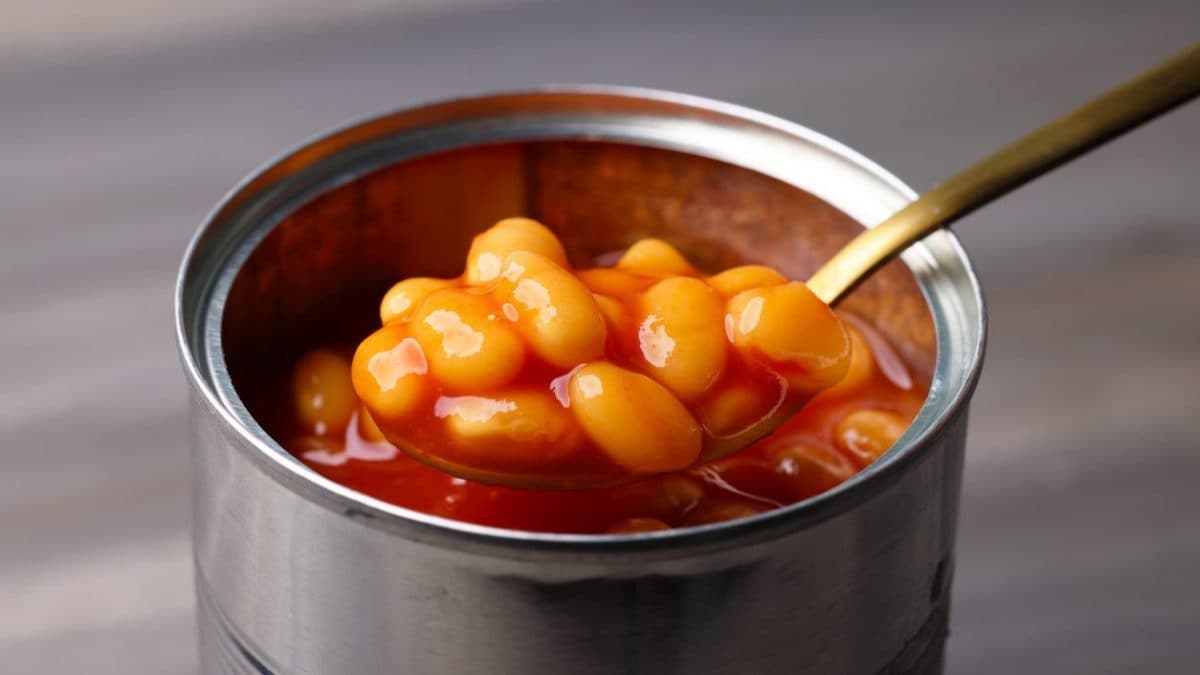
If you have to choose between fresh and canned foods, it's natural to choose the former: canned goods, although very convenient and in some contexts a fundamental weapon against hunger, have a less intense and tasty flavor than their fresh counterparts. But have you ever wondered why?
When it comes to canned food, many of us think of convenience and long shelf life: there's no doubt that canned food is a lifesaver when you're short on time or looking for a convenient mealtime solution. However, we often hear that canned food is less flavorful than fresh food, and that's not just a cliché: today we'll tell you why there are differences in taste and even quality between fresh and canned products, from the production process to the characteristics of the food itself.
How Canning Alters Flavors
One of the main reasons why canned foods taste less flavorful than fresh ones is the preservation process. Most canned foods undergo intense heat treatment to ensure they are safe to eat even after long periods of storage. This process, known as sterilization or pasteurization, involves cooking at high temperatures that eliminates bacteria and microbes, but it also has a side effect: flavor loss.
High heat can destroy some of the volatile compounds that contribute to the natural flavor of fresh ingredients: for example, the delicate aromas of a freshly picked tomato or the crisp notes of a bell pepper are compromised, resulting in a duller taste in the final product.

Salt and Preservatives, The "Tricks" That Mask Natural Flavor
Another factor that affects the taste of canned food is the addition of preservatives, salt, and sugar. These ingredients are essential for extending the shelf life of foods, but they aren't always friendly to our palate or our health. While preservatives keep food safe and edible over time, they can alter the flavor of the ingredients, adding flavor notes that mask the original.
Salt, for example, is commonly used to preserve and flavor canned foods; however, excessive use can easily overwhelm the more subtle flavors of ingredients, making the food taste less flavorful or "heavier" than a fresh version. Similarly, sugar can be used to balance the acidity of some canned foods, but this too can affect flavor perception.
How Canning Steals Flavor
Fresh food, when consumed soon after harvesting or preparation, retains a high concentration of nutrients and aromatic compounds. These compounds, which include essential oils, vitamins, and antioxidants, are essential not only for their health benefits but also for the taste and freshness of the food. Unfortunately, the canning process causes some loss of these compounds.

During high-temperature cooking, many of these volatile compounds dissipate or are damaged, reducing the overall flavor of the food. For example, canned vegetables are often preserved in liquid that may contain salt or sugar, and during the sterilization process, high temperatures can compromise their taste and nutrients. Additionally, the texture of canned vegetables tends to become softer than fresh ones, resulting in them not offering the same freshness and crispness.
Taste, in fact, depends not only on flavors, but also on the texture of foods. When we eat fresh foods, such as fruits, vegetables, or meat, we appreciate their freshness and crunchy or juicy texture. However, during the canning process, foods are cooked and preserved in a liquid that can alter their texture.
Fresh tomatoes, for example, have a texture that is unlikely to be found in their canned counterparts because they have been treated at high temperatures. This change in texture can affect our perception of flavor, since chewing and mouthfeel are closely linked to taste perception.
The Effect of Time
Finally, another reason why canned food seems less flavorful has to do with time. Fresh foods are consumed shortly after preparation, when their flavors are still vivid and intense. In contrast, canned food has been prepared months or even years before it's opened, and although technology has made enormous advances in preserving flavors, time and the process itself inevitably affect quality. Canned food may seem convenient, but their long storage period means flavors have faded; fresh food, on the other hand, doesn't have time to lose its aromatic properties.

Freezing, a Technique That Preserves Flavor Better
Unlike canned foods, the freezing process is less invasive and more effectively preserves the flavor and nutrients of foods. Professional freezing—that is, the process done before sale—maintains aromatic compounds and vitamins almost intact, which are more easily degraded during long-term cooking.
It's important to understand, however, that even frozen foods aren't entirely the same as fresh ones: some variations in taste can still occur, especially if the food has been stored for long periods or if the cold chain has been broken, which also makes them less safe. Furthermore, the texture can change, especially in foods that contain a lot of water, such as fruit, which can become softer and more watery once thawed. In general, however, frozen foods retain a much closer flavor to fresh than canned foods.
;Resize,width=767;)
