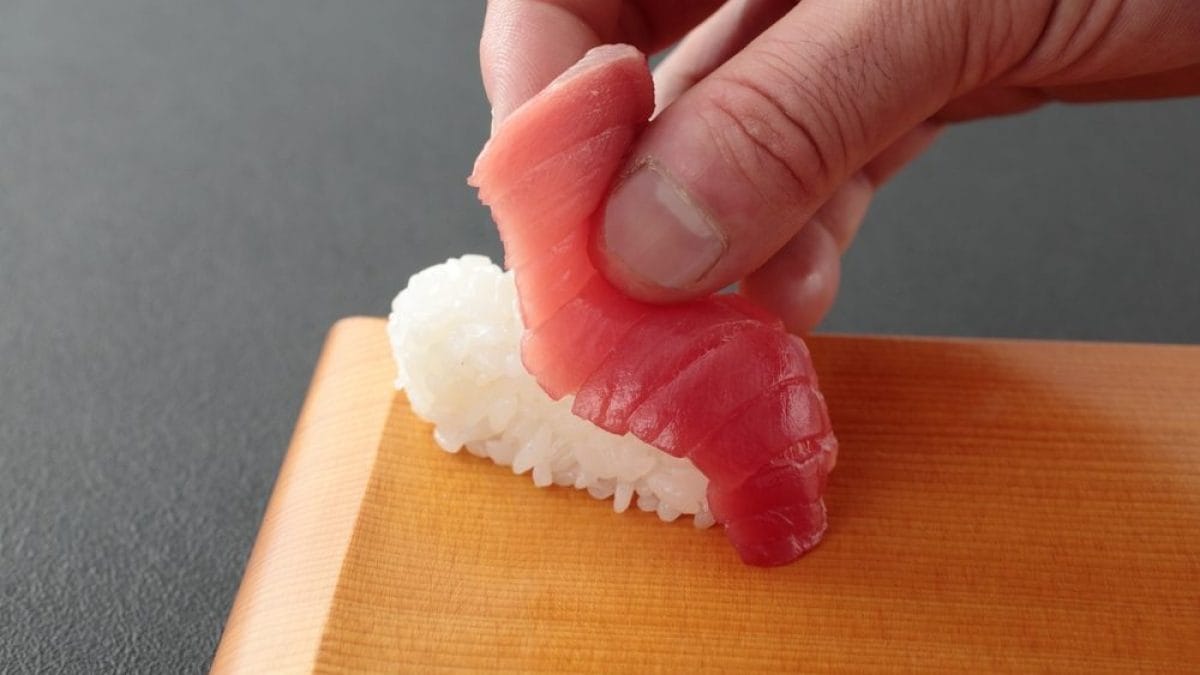
In recent years, sushi has gained a privileged place in the world's gastronomic culture, so much so that it is considered a common and no longer "ethnic" dish. Its spread has been so rapid that, despite pride in traditions, it has been welcomed with such enthusiasm that it has even surprised the Japanese themselves. However, an authoritative voice has emerged from the world of sushi that has perhaps slightly debunked the myth surrounding how to eat it. We are talking about Naomichi Yasuda, Japanese master and founder of the iconic Sushi Yasuda in New York. Recently interviewed by the British newspaper the Mirror, he explained that eating sushi with chopsticks is wrong because the correct way to enjoy it is with your hands.
The Master Explains How to Really Eat Sushi
During the interview, Master Yasuda debunked some sushi myths. First, contrary to popular belief, the main ingredient in sushi is not the fish, but the rice. Yasuda clarified that the texture, cooking, and quality of this ingredient are what distinguish memorable sushi from ordinary sushi. Furthermore, according to the master, gestures like mixing wasabi and soy sauce, dipping rice in soy sauce, or using commercially available soy sauce could alter the balance of flavors and overwhelm them rather than enhance them. Every gesture must be performed with the utmost care to preserve the perfection of each individual ingredient.
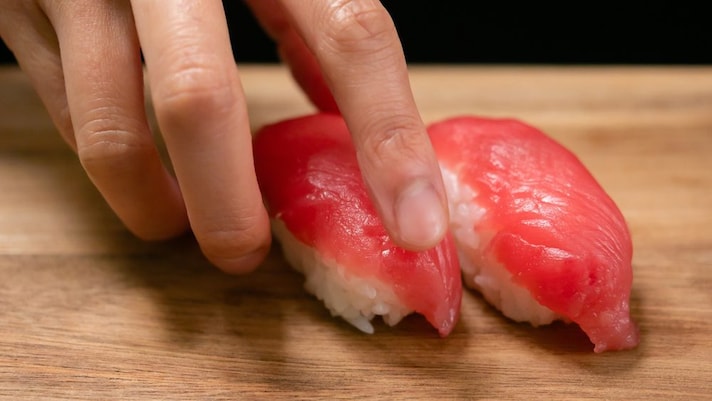
We then come to Yasuda's "great truth" regarding the way sushi is eaten. Indeed, while in Western countries it's almost a given to use chopsticks, the Japanese master urges us to set these utensils aside because sushi is best enjoyed with our hands.
If you're in Japan, you'll notice that the concept of a "standing sushi bar" is widespread. These are restaurants where you eat sushi standing up, quickly, and, in most cases, with your hands. This type of experience is considered a form of "eat fast" —essentially, a quick meal —and represents an informal approach to Japanese cuisine. In contrast, in other parts of the world, there aren't really any restaurants that follow this type of concept. Of course, there are also high-end sushi restaurants in Japan, where the dining experience is very different, more elaborate and refined, but the standing sushi bar remains an important and accessible part of everyday dining culture.
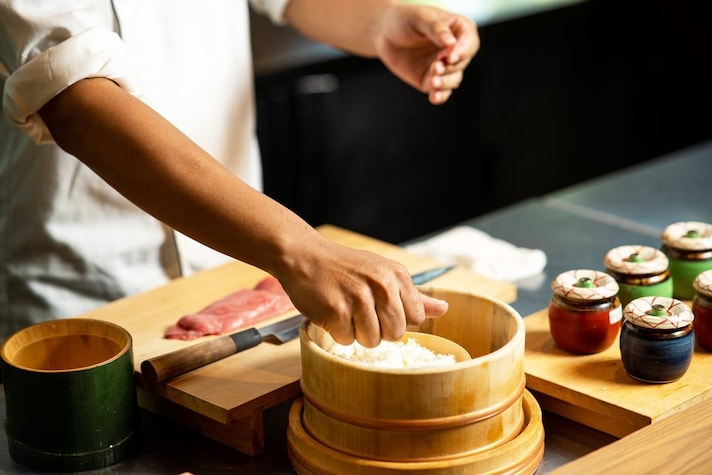
Tradition has long recognized that sushi can be eaten with your hands, especially nigiri. The reason, according to Yasuda, is very simple: eating with your hands allows you to better control the delicacy and quality of the rice, and it also prevents the bite from falling apart when using chopsticks (perhaps even inexperiencedly). Using your hands is also a way to connect with food; the master explained that these are entirely different sensations: feeling the temperature and perceiving the texture of individual ingredients can create a deeper, almost spiritual experience.
;Resize,width=767;)
