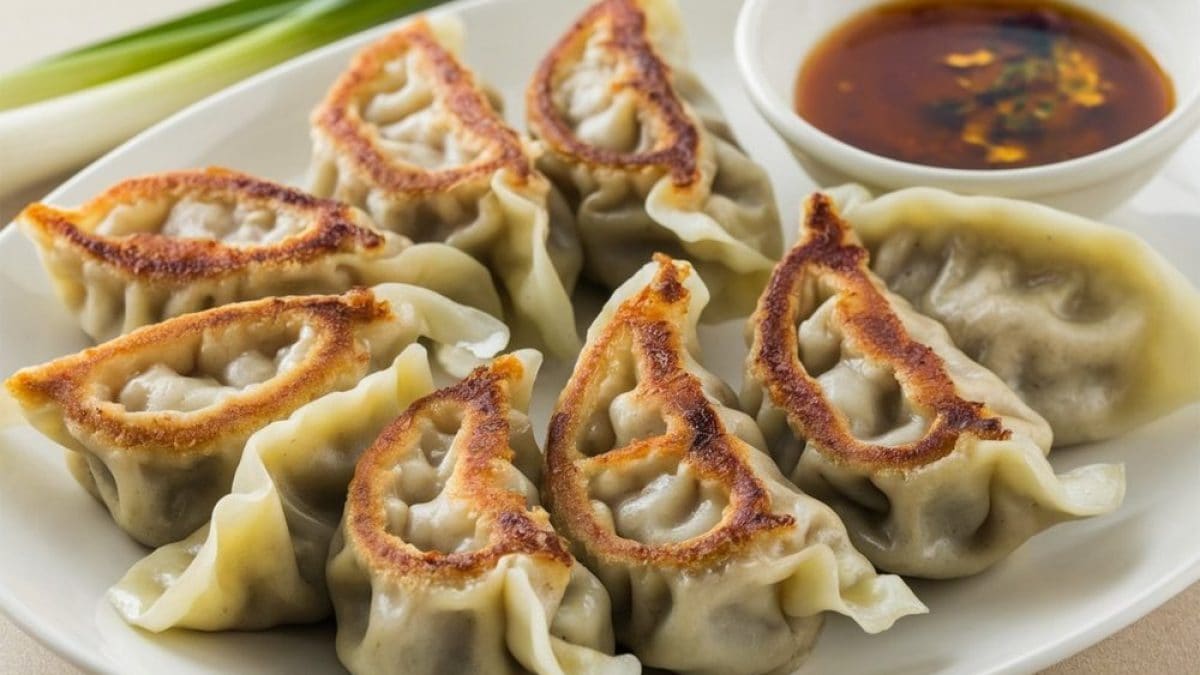
Stuffed pasta isn't just a specialty of traditional and regional Italian cuisine; it's actually widespread in many countries around the world. Of course, the name varies from country to country, as do the ingredients and preparation methods. Today, I'll explain a little more about gyoza, a ravioli filled with meat and vegetables that has now become popular throughout the West.
Gyoza's History, Origins and Variations
Japanese gyoza are among the most popular and well-known dishes in Japanese cuisine: they are small, half-moon-shaped filled dumplings. They originate from China, and the term gyoza comes from a transliteration of jiaozi, dumplings filled with meat and vegetables. They're not much different from these, in fact they're characterized by a strong garlic flavor mixed with the delicate taste of salt and soy. The filling is made with minced pork, cabbage, onion, and garlic.
Japanese gyoza are distinguished by a particular preparation method, grilling (yaki-gyoza): they are cooked on both sides until they form a distinctive golden crust, while the inside remains juicy and soft. They are served with a soy sauce to which rice vinegar and rāyu, a sesame oil common throughout the Far East made with a spicy chili pepper, are added. In their country of origin, China, tradition held that they were associated with the Chinese New Year, cooked as a symbol of prosperity and good luck for the following year. In Japan, however, they are excellent both as a snack and as a main dish, paired with a bowl of classic gohan rice with sesame seeds.

The history of Japanese gyoza is tied to World War II, when soldiers returned to the Land of the Rising Sun after spending time in China. The culinary influence also reached Japan, where locals began preparing their own versions of jiaozi, with ingredients and cooking methods adapted to their tastes and local culinary traditions. Soon, gyoza restaurants began to spread like wildfire throughout the country. Another selling point for this dish is its price: they are incredibly inexpensive and accessible to everyone.
Gyoza's Success in the West
Gyoza are a perfect example of how a traditional dish can evolve and adapt to different culinary cultures. The transition from China to Japan, from jiaozi to gyoza, has made this product beloved around the world. In recent years, they have also discovered their "potential" in Europe, and they are a staple when we decide to try our hand at Asian cuisine. Their popularity can be attributed to their versatility— they can be steamed (mushi-gyoza), boiled (sui-gyoza), or fried (yaki-gyoza)—the ease of preparation, and the social sharing that is particularly common during meals. In recent years, in fact, the trend that has developed in the West is for gyoza to be a communal dish, an appetizer to be shared among all diners and not a main course, similar to Spanish tapas. This creates a convivial and fun moment that has made this dish even more popular in our area. Furthermore, there are countless variations to suit all tastes and cooking methods that enhance its flavor.

Among the most popular is the "light" version, which uses chicken instead of pork, often accompanied by Korean cabbage, ginger, and garlic for a more delicate flavor. Even those who don't eat meat can enjoy gyoza: there's a vegetarian version that includes mushrooms, spinach, tofu, and cabbage.
;Resize,width=767;)
