We can certainly see that, in recent years, attention to a healthy and balanced diet has grown dramatically. At the same time, many healthy foods have achieved great fame that would have been overlooked just a short time ago. Social media, marketing, and merchandising: all prerogatives that have allowed the success of healthy foods to take over. This type of culture has brought products like Japanese matcha tea into the spotlight. It is now found practically everywhere: from alcoholic drinks to desserts, with its global fame growing daily.
But matcha isn't the only tea worthy of this popularity; there are many other varieties, including hojicha. With its smooth, aromatic flavor and warm notes, this product deserves more attention, but it's still largely unknown, except among those who are strictly tea enthusiasts. Characterized by a unique profile and low caffeine content, hojicha is nevertheless gaining traction both in cupboards and in newspaper articles. Let's get to know it better.
What is Hojicha And What is Its History?
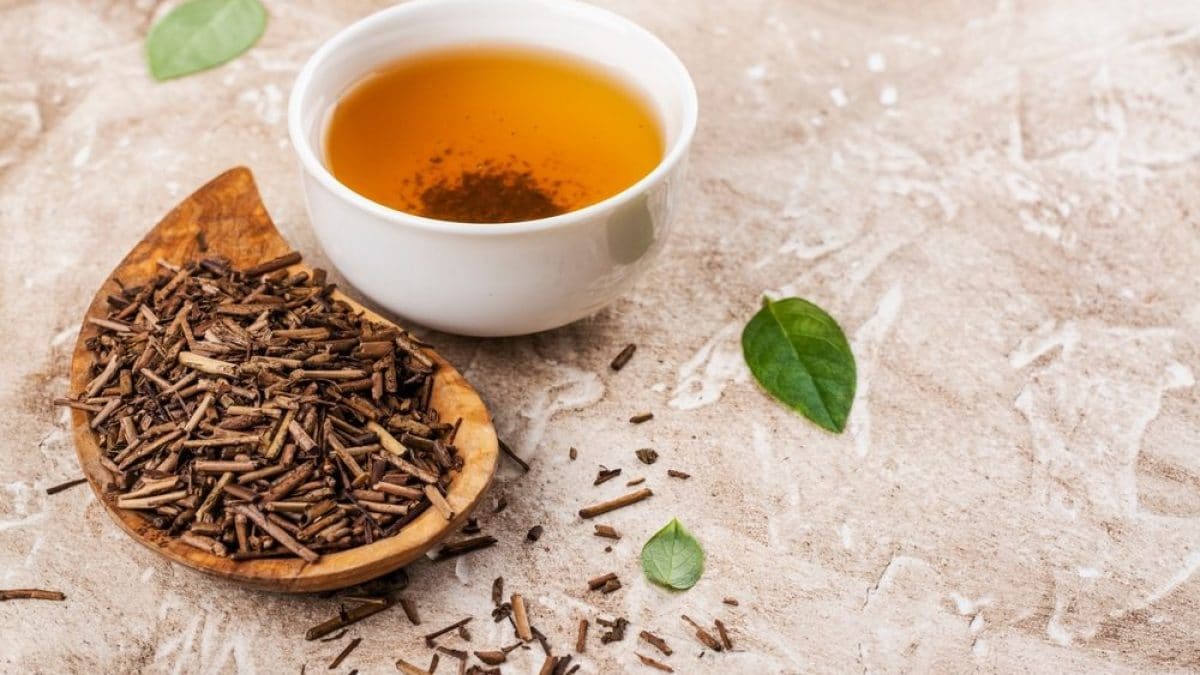
Hojicha is also part of the green tea family, but unlike "traditional" teas, its distinctive feature lies in its high-temperature roasting. This product was born from the brilliant idea of a Japanese merchant who, in the early 1900s, decided to roast green tea leaves. This process transforms the characteristic leaves for infusion into a warm amber color and imparts aromas reminiscent of hazelnut, caramel, and a subtle hint of smoke.

It's a premium product with a distinctive hazelnut color that, thanks to roasting, has acquired a slightly smokier flavor. The leaves used are often those from the second harvest or even less valuable parts of the plant like stems and twigs, making it a smooth tea with a naturally lower caffeine content than other green teas. Originating in Kyoto in the 1920s as a way to valorize unsold teas, hojicha has become a classic in Japanese homes and, more recently, a beverage that is beginning to gain popularity outside of Japan.
Preparation and Differences With Matcha
It's important to know how it differs from matcha. Matcha is a finely powdered green tea made from young, shade-grown leaves and ground. It has a strong herbaceous flavor and a very high caffeine content.
Hojicha, on the other hand, is traditionally consumed as a tea at home or in specialty cafes, rather than as a mass-market ingredient. Its softer, less Instagrammable, bright green profile has kept it out of the viral wave that catapulted matcha into the mainstream. Yet these very characteristics make it a valid alternative for those seeking daily well-being without the trendy buzz.
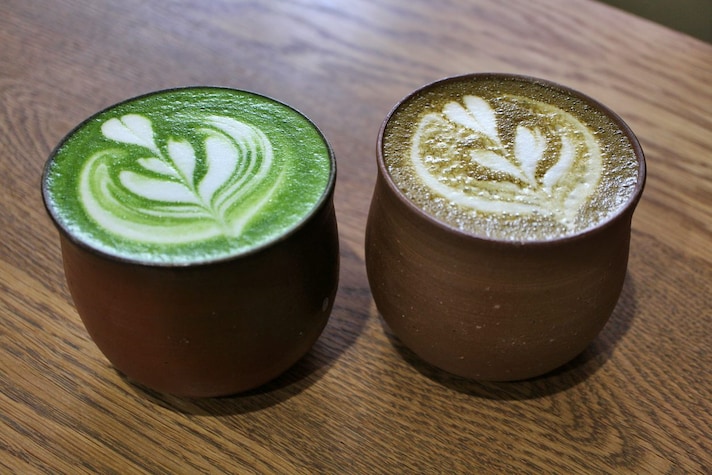
It is prepared using 3 grams of tea leaves per 250ml of water at 167°F/75°C, leaving to infuse for two minutes. For the powdered version, however, you need 1 gram of product per 60ml of water at 167°F/75°C, which is whisked with a chasen (茶筅), the small traditional bamboo whisk essential for loosening the powder and creating the typical fine foam. Available in stores or on specialized websites, the cost is around 15-20 dollars for about 100 grams of product.
;Resize,width=767;)
