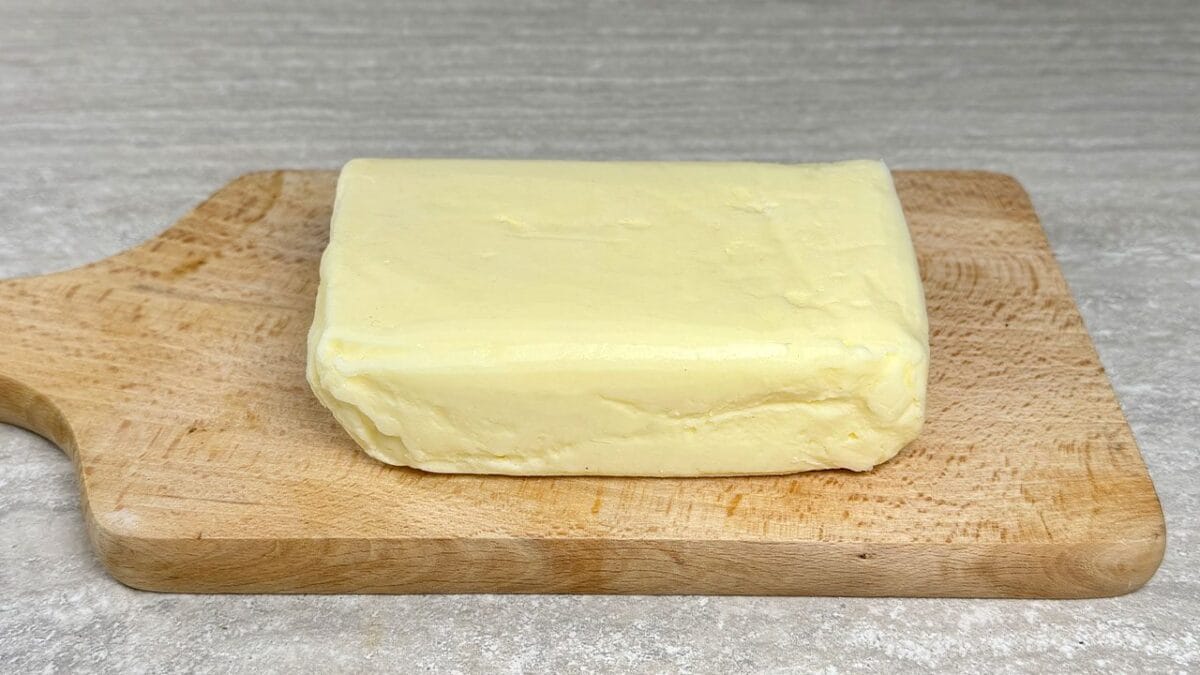
Making homemade butter is much easier than you might think. In fact, you only need one ingredient: heavy cream.
The process starts just like making whipped cream, but instead of stopping once the cream becomes fluffy, you keep beating it. Eventually, the fat separates from the liquid, leaving you with fresh, creamy butter and buttermilk.
No special butter-making equipment is required, either. An electric mixer, a bowl, and a strainer are enough to transform a carton of cream into a beautiful block of homemade butter.
Why Everyone Will Love This Recipe
There’s something incredibly satisfying about making such an everyday ingredient from scratch. This recipe requires just one ingredient, and the mixer does almost all the work.
The finished butter is rich and creamy and can be used just like regular unsalted butter: spread it over warm bread, melt it over vegetables, use it for cooking, or turn it into flavored butter with herbs and seasonings.
Plus, you get buttermilk as a byproduct, so don't throw that liquid away!
What Is Homemade Butter?
Butter is made by separating the fat in cream from its liquid component. When heavy cream is whipped, it initially traps air and becomes whipped cream. Continue mixing past that point, however, and the structure begins to break down.
Eventually, the butterfat gathers into solid yellow clumps while a thin liquid separates from it. Those solids are your fresh butter.
Once strained, the butter is washed thoroughly in very cold water to remove as much remaining liquid as possible. This step is important because thoroughly washed butter keeps better and has a cleaner flavor.
Tips for Making Homemade Butter
- Keep both the heavy cream and mixing bowl very cold before starting.
- Don't stop when you reach whipped cream.
- Continue beating until the butterfat visibly separates from the liquid.
- Wash and squeeze the finished butter thoroughly in cold water to remove as much residual buttermilk as possible.
Frequently Asked Questions
What Kind of Cream Is Best for Homemade Butter?
Use heavy cream or heavy whipping cream with a high fat content. Avoid light cream or half-and-half, which don't contain enough fat to produce the same result.
How Long Does It Take to Make Butter From Heavy Cream?
The exact time varies depending on your mixer, the temperature of the cream, and the quantity you're making. Watch the consistency rather than relying strictly on the clock: the cream will whip, become increasingly thick, and eventually separate into butter solids and liquid.
Why Is My Whipped Cream Not Turning Into Butter?
Keep mixing. Whipped cream is simply an intermediate stage of the process. Once you continue beating past stiff peaks, the mixture will eventually break and the fat will separate.
What Is the Liquid Left After Making Butter?
The liquid that separates during butter making is commonly called buttermilk. This fresh byproduct is different from the cultured buttermilk typically sold in U.S. grocery stores, but it can still be used in recipes where its mild dairy flavor works well.
Can I Make Salted Homemade Butter?
Yes. After washing and squeezing the butter, knead in a small amount of fine salt to taste. You can also add herbs, garlic, spices, or other seasonings to make compound butter.
Can You Make Homemade Butter Without an Electric Mixer?
Yes. Cream can also be churned or vigorously shaken in a tightly closed jar until the butterfat separates, although an electric mixer makes the process faster and easier.
How to Store
Transfer the homemade butter to a clean airtight container and keep it in the refrigerator. Because homemade butter may retain more moisture than commercially produced butter, it is best to consume it relatively quickly. Always use clean utensils when taking butter from the container, and discard it if you notice any unusual smell, flavor, or appearance.
How to Freeze
Homemade butter can also be frozen. After washing and squeezing it thoroughly, shape the butter into a block and wrap it tightly to protect it from air and freezer odors. Freeze it in one large block or divide it into smaller portions so you can thaw only what you need. Defrost the butter in the refrigerator before using.
Ingredients
How to Make Homemade Butter
;Resize,width=712;)
Chill the heavy cream thoroughly in the refrigerator before beginning. If possible, place your mixing bowl in the refrigerator as well so that everything starts very cold.
Chill the heavy cream thoroughly in the refrigerator before beginning. If possible, place your mixing bowl in the refrigerator as well so that everything starts very cold.
Pour the cold heavy cream into the chilled bowl and begin beating with an electric mixer at medium-high speed.
;Resize,width=712;)
Pour the cold heavy cream into the chilled bowl and begin beating with an electric mixer at medium-high speed.
Continue whipping until the cream becomes thick and firm. At this stage, it will look like ordinary whipped cream, but don't stop mixing.
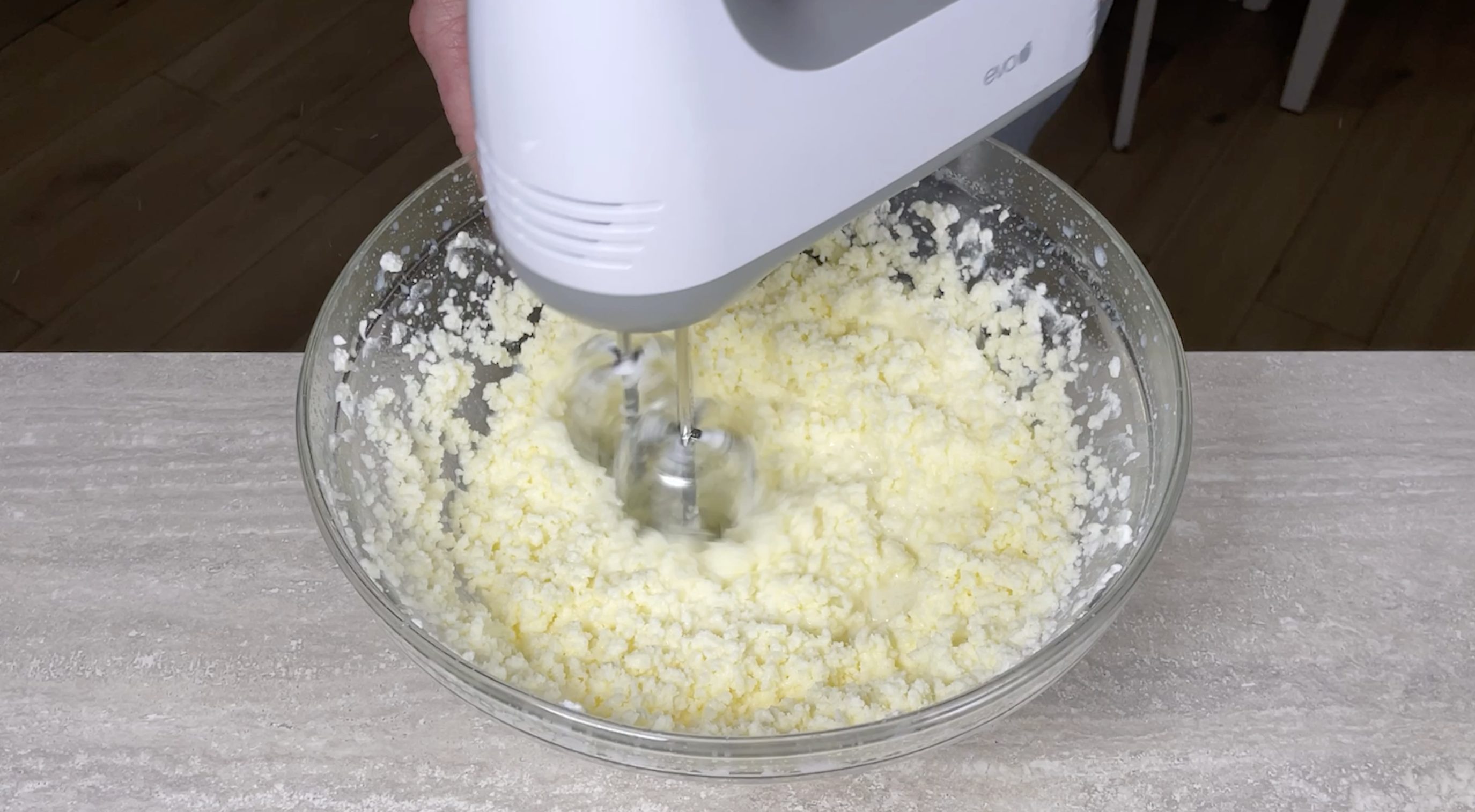
Keep beating. The whipped cream will gradually lose its smooth consistency and begin to separate. Continue until you can clearly see yellowish butterfat forming and separating from the liquid.
Once the butter has formed into solid clumps, stop the mixer.
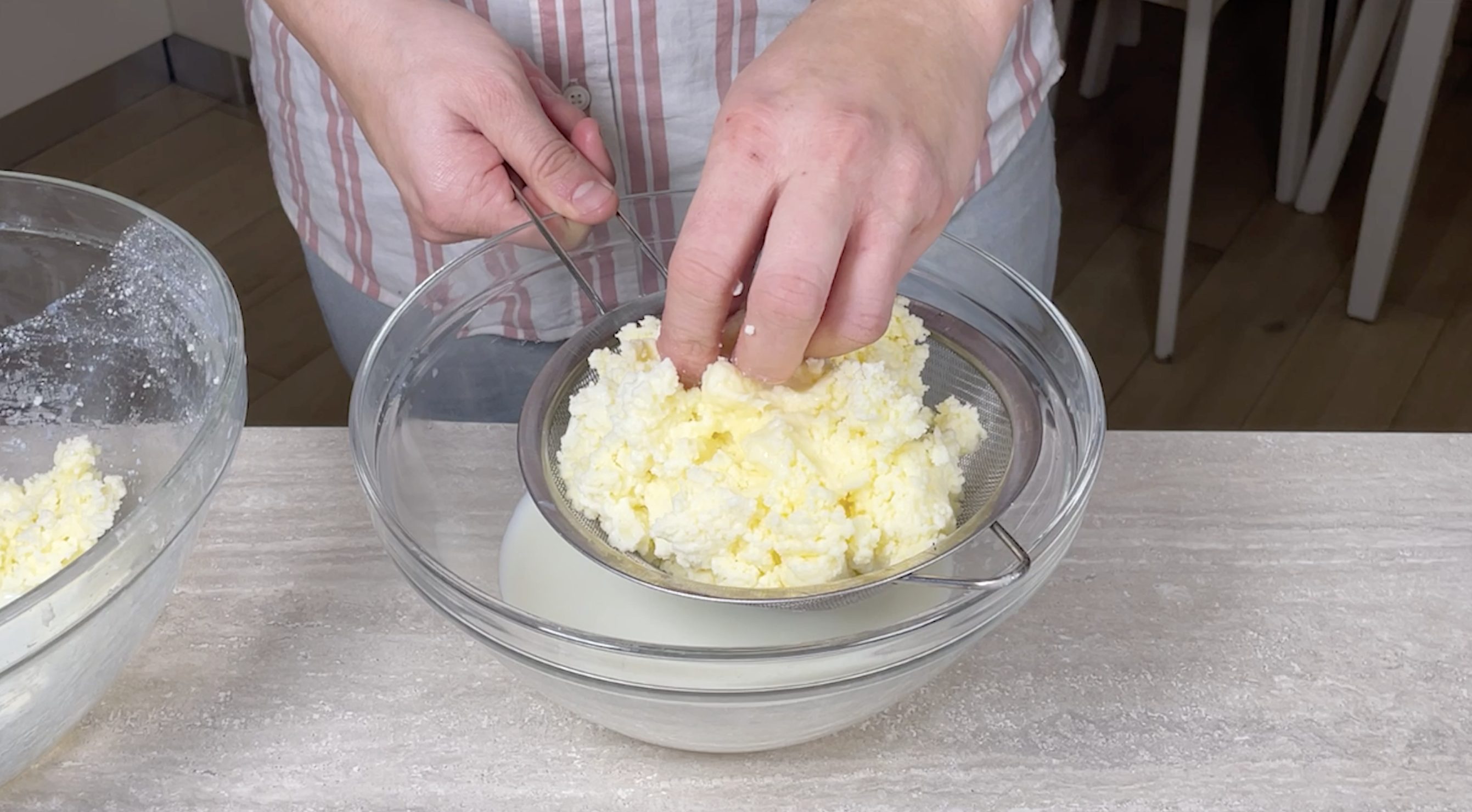
Pour everything through a fine-mesh strainer, collecting the liquid underneath if you want to use the leftover buttermilk.
;Resize,width=712;)
Continue whipping until the cream becomes thick and firm. At this stage, it will look like ordinary whipped cream, but don't stop mixing.
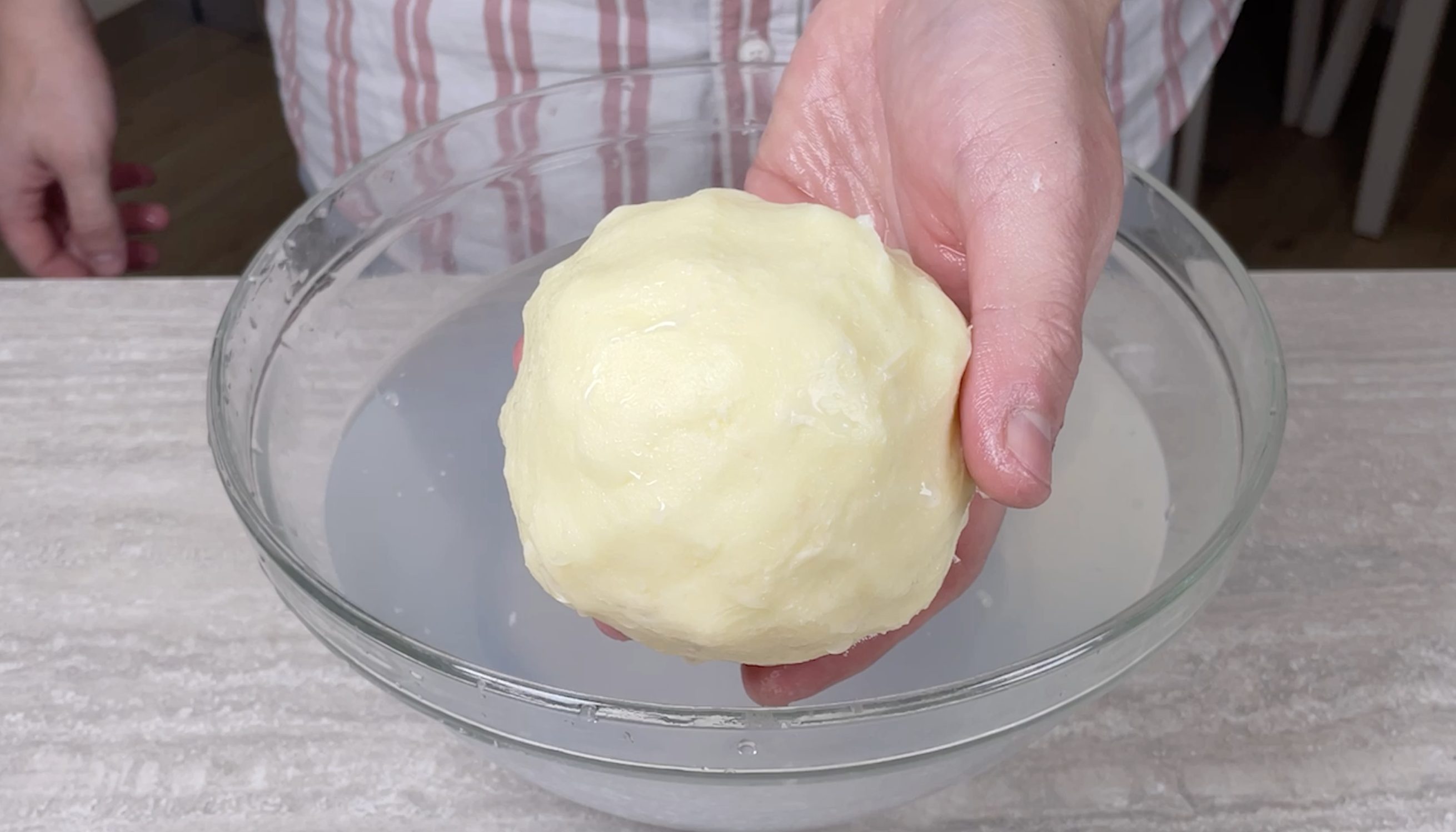
Gather the butter with clean hands and squeeze it firmly to force out as much remaining liquid as possible.
Place the butter in very cold water and continue squeezing and working it. Replace the water as needed and repeat until the water remains clear. Removing the residual liquid thoroughly will help improve the finished butter's quality and storage life.
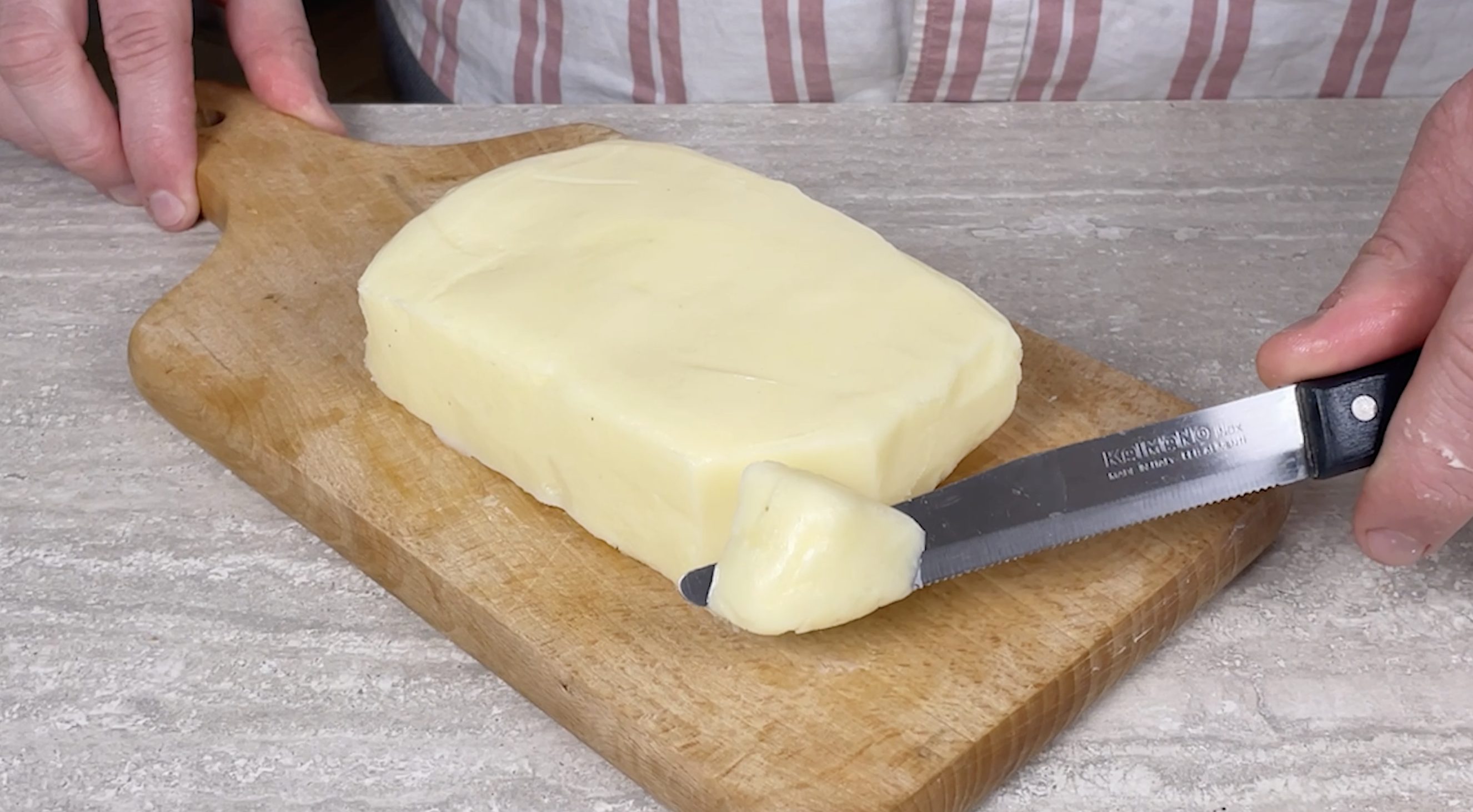
Finally, squeeze out any remaining water, shape the homemade butter into a block, and transfer it to the refrigerator to firm up.
;Resize,width=712;)
Keep beating. The whipped cream will gradually lose its smooth consistency and begin to separate. Continue until you can clearly see yellowish butterfat forming and separating from the liquid.
Once chilled, it's ready to slice, spread, melt, or use in your favorite recipes.
;Resize,width=767;)

