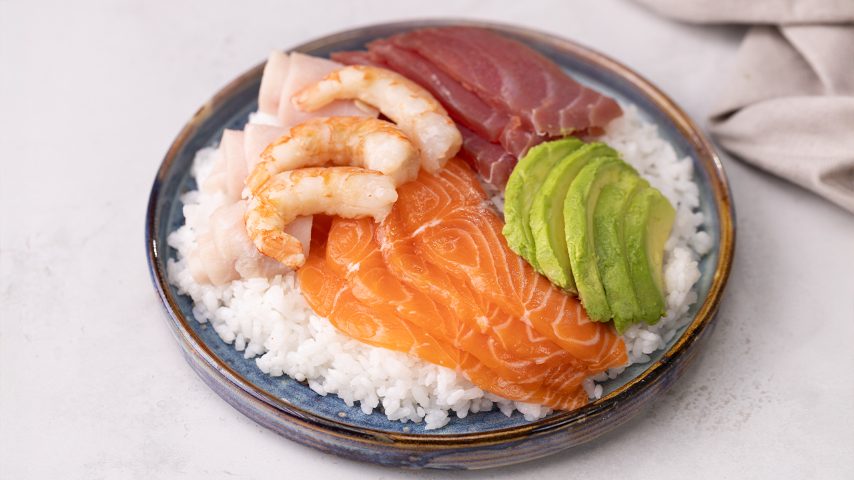
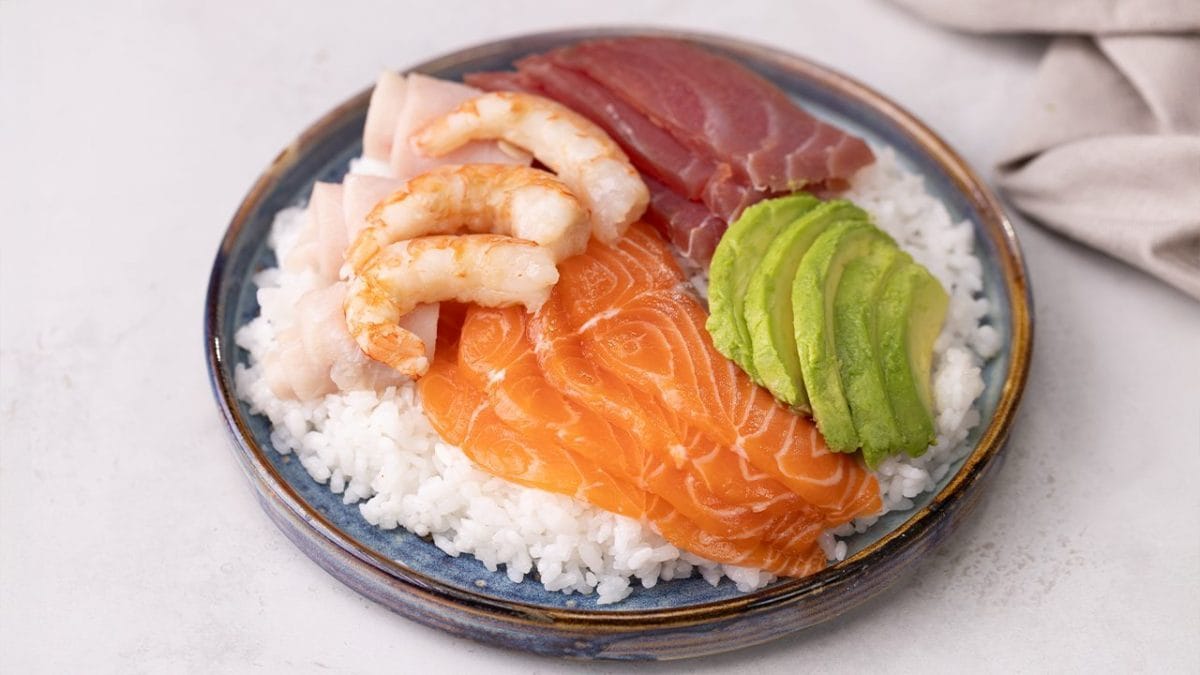
Chirashi, also called Chirashi Sushi, is a vibrant Japanese dish featuring seasoned rice topped with fresh slices of sashimi, shrimp, and avocado. Known for its colorful presentation and balanced flavors, it is both visually stunning and delicious. Perfect for lunch, dinner, or special occasions, chirashi offers the simplicity of sushi without the effort of rolling.
Why Everyone Will Love This Recipe
Chirashi is both healthy and satisfying, combining protein-rich seafood with lightly seasoned sushi rice. Each bite offers a balance of textures—soft rice, tender sashimi, and creamy avocado. Quick to assemble once the rice is prepared, it’s a versatile dish that can be customized with different fish or vegetables to suit your preferences.
What Is Chirashi?
Chirashi means “scattered” in Japanese and refers to the method of arranging sashimi and toppings scattered over a bed of sushi rice. This style of sushi dates back to the Edo period (1603–1868) as a simple home-style dish for celebrations. Traditional chirashi combines rice seasoned with vinegar, sugar, and sake with slices of raw fish and vegetables. The dish reflects Japan’s emphasis on seasonal ingredients and balance, and using avocado in modern recipes adds a creamy texture while maintaining freshness.
Cooking Tips
- Use round grain rice and rinse thoroughly before cooking to remove excess starch, which helps the rice stay slightly sticky but not gummy.
- Season the rice with the vinegar, sugar, and sake mixture gradually, spreading it evenly with the back of a wooden spoon to coat the grains without smashing them.
- Slice the fish uniformly to ensure each piece is tender and easy to pick up with chopsticks or a fork.
- Arrange toppings artistically on the rice to highlight color contrasts and textures, which enhances both visual appeal and dining experience.
- Serve immediately after assembling to maintain the freshness of the raw fish and creamy texture of the avocado.
Frequently Asked Questions
Can I Use Other Types of Fish?
Yes, salmon, tuna, swordfish, and shrimp are common, but you can also use yellowtail, mackerel, or other sashimi-grade fish depending on availability and taste.
Can I Add Vegetables?
Yes, thinly sliced cucumber, radish, or edamame can be added for extra color, crunch, and nutrition.
Can I Make It Spicy?
A small drizzle of sriracha or a sprinkle of shichimi togarashi (Japanese seven-spice) adds a subtle heat that complements the fresh fish.
Can I Use Pre-Cooked Seafood?
While traditional chirashi uses raw sashimi, cooked shrimp, crab, or lightly seared fish can be used for a milder or safer version for children or those who prefer cooked seafood.
How Can I Make It More Flavorful?
Marinate fish lightly in soy sauce or a touch of sake before assembling, or garnish with sesame seeds, nori strips, or pickled ginger to enhance flavors.
How to Store
Chirashi is best consumed immediately due to the raw fish. If necessary, store the seasoned rice and toppings separately in airtight containers in the refrigerator for up to 6 hours, assembling just before serving to maintain freshness and texture.
How to Freeze
Freezing is not recommended for chirashi because raw fish loses texture and freshness upon thawing, and rice can become mushy. It is best prepared fresh and served immediately.
Ingredients
How to Make Japanese Chirashi

Rinse the rice thoroughly several times, until the water becomes translucent. Then transfer it to a pot with water to cook, bring to the boil and cook over low heat, stirring occasionally.
Rinse the rice thoroughly several times, until the water becomes translucent. Then transfer it to a pot with water to cook, bring to the boil and cook over low heat, stirring occasionally.

When the water is completely absorbed and the rice is cooked, remove from the heat and let cool.
When the water is completely absorbed and the rice is cooked, remove from the heat and let cool.

In another saucepan, combine the sake, rice vinegar, sugar, and salt, then stir and keep on the heat until the remaining ingredients are completely dissolved. Let the resulting syrup cool.
In another saucepan, combine the sake, rice vinegar, sugar, and salt, then stir and keep on the heat until the remaining ingredients are completely dissolved. Let the resulting syrup cool.

Transfer the rice to a wide, low bowl and let it cool completely.
Transfer the rice to a wide, low bowl and let it cool completely.

Once cooled, pour the sake and vinegar syrup over the rice, first pouring it onto the back of a spoon or spatula so that it is evenly distributed. Mix and set aside.
Once cooled, pour the sake and vinegar syrup over the rice, first pouring it onto the back of a spoon or spatula so that it is evenly distributed. Mix and set aside.

Prepare the fish: shell the shrimp completely, pierce them with a wooden toothpick, and blanch them for 2-3 minutes in boiling water, so they cook without curling. Then, thinly slice the tuna fillet.
Prepare the fish: shell the shrimp completely, pierce them with a wooden toothpick, and blanch them for 2-3 minutes in boiling water, so they cook without curling. Then, thinly slice the tuna fillet.

Proceed in the same way with the swordfish.
Proceed in the same way with the swordfish.

Also cut the salmon into slices.
Also cut the salmon into slices.

Cut the avocado in half, scoop out the pulp with a spoon, then cut it into slices.
Cut the avocado in half, scoop out the pulp with a spoon, then cut it into slices.

Make 4 portions of chirashi: for each, distribute a portion of rice and 3 slices of salmon.
Make 4 portions of chirashi: for each, distribute a portion of rice and 3 slices of salmon.

Combine three rolled slices of swordfish and three of tuna.
Combine three rolled slices of swordfish and three of tuna.

Top with 4-5 pieces of avocado and 3 shrimp. Repeat the operation with the same doses for all portions.
Top with 4-5 pieces of avocado and 3 shrimp. Repeat the operation with the same doses for all portions.

Your chirashi is ready to be enjoyed!
Your chirashi is ready to be enjoyed!
;Resize,width=767;)
