
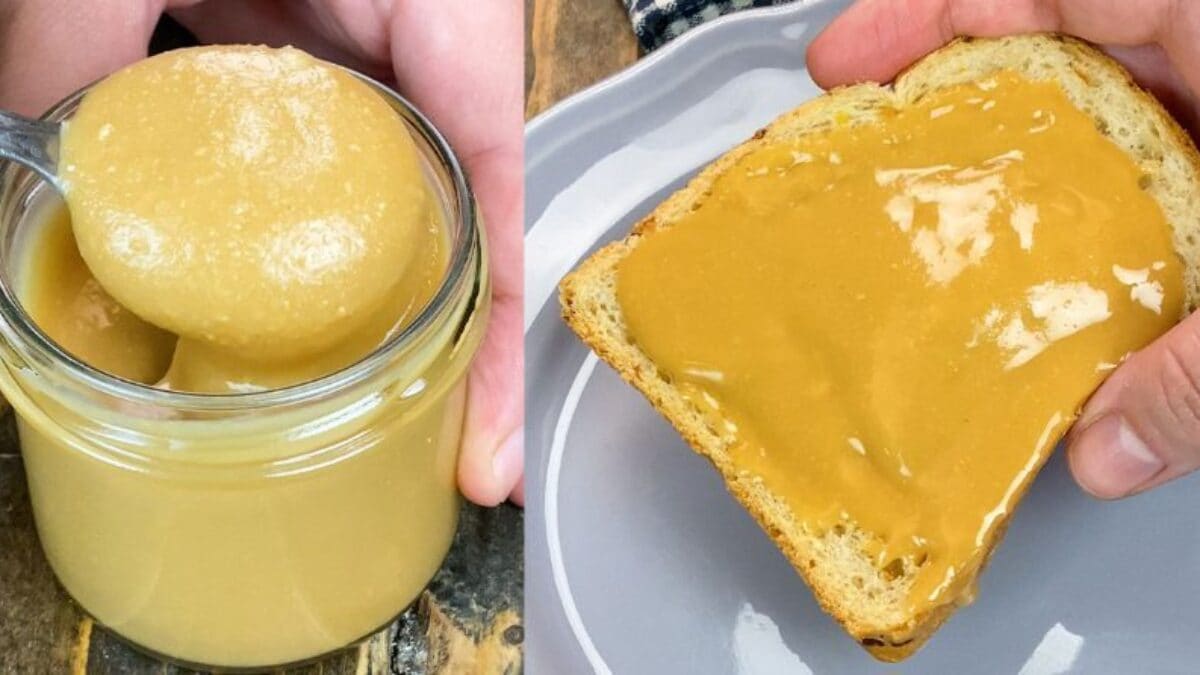
With just 300g of peanuts, a little honey, and oil, you can prepare a delicious homemade spread in about five minutes. Yes, five minutes! Your food processor does most of the heavy lifting while you get to enjoy the satisfaction of making something from scratch. Spread it over toast, serve it with apple slices, add it to sandwiches, or use it as a topping for porridge and pancakes.
What Is Homemade Peanut Butter?
Peanut butter is a creamy or slightly textured spread made by grinding roasted peanuts until their natural oils are released and the mixture is thick. Depending on the recipe, it can be sweetened with honey or sugar, seasoned with salt, or left completely natural.
Ancient civilisations in South America, including the Aztecs and Incas, ground peanuts into pastes long before peanut butter became a household favourite. In the United States, Marcellus Gilmore Edson patented a process for producing peanut paste in 1884. Later developments helped turn it into the familiar spread enjoyed around the world.
Pro Tips for the Best Homemade Peanut Butter
- Roasted peanuts generally produce a deeper nutty taste than raw ones. Unsalted roasted peanuts are particularly useful because they give you complete control over the seasoning.
- Grinding peanuts requires a machine capable of handling thick mixtures. A powerful food processor will usually produce a smoother result without putting too much strain on the motor.
- Don't panic when the peanuts look dry. During blending, the mixture passes through several stages and may initially resemble coarse crumbs before becoming a paste.
- Continuous blending can cause the machine and peanuts to heat up. If your appliance starts getting warm, switch it off briefly before continuing.
- Peanuts naturally release oil as they are processed, so you may not need much additional oil. Add it a little at a time until the mixture reaches your preferred consistency.
Frequently Asked Questions
Why Is My Homemade Peanut Butter Too Thick?
A thick mixture can happen when the peanuts haven't been processed long enough or when your food processor isn't particularly powerful. If the mixture is already smooth but still too thick, add a small amount of vegetable oil and blend again until you achieve the desired consistency.
Why Is My Peanut Butter Grainy?
Graininess usually means the peanuts need more time in the food processor. They first break down into small pieces before forming a paste. Continue blending in short intervals, scraping the sides when necessary.
Can I Make Crunchy Peanut Butter With This Recipe?
You don't need a separate recipe to make crunchy peanut butter. Simply reserve a small portion of the peanuts before blending. Once the smooth mixture is ready, chop the reserved peanuts into small pieces and stir.
How to Store Homemade Peanut Butter
Homemade peanut butter is best stored in a clean, airtight container in the refrigerator and can last for up to seven days. A little oil separation may occur during storage and is perfectly normal because peanuts naturally contain oil. Simply give the mixture a good stir before serving.
Ingredients
How to Make Homemade Peanut Butter

Blend peanuts in a food processor for five minutes.
Blend peanuts in a food processor for five minutes.

Once the peanuts have formed a paste, it's time to introduce a little sweetness. Add honey or brown sugar and oil to the mixture and blend again.
Once the peanuts have formed a paste, it's time to introduce a little sweetness. Add honey or brown sugar and oil to the mixture and blend again.

Transfer into a clean, dry, airtight jar. Spread it over toast, add it to your favourite breakfast, or enjoy it with fresh fruit!
Transfer into a clean, dry, airtight jar. Spread it over toast, add it to your favourite breakfast, or enjoy it with fresh fruit!


