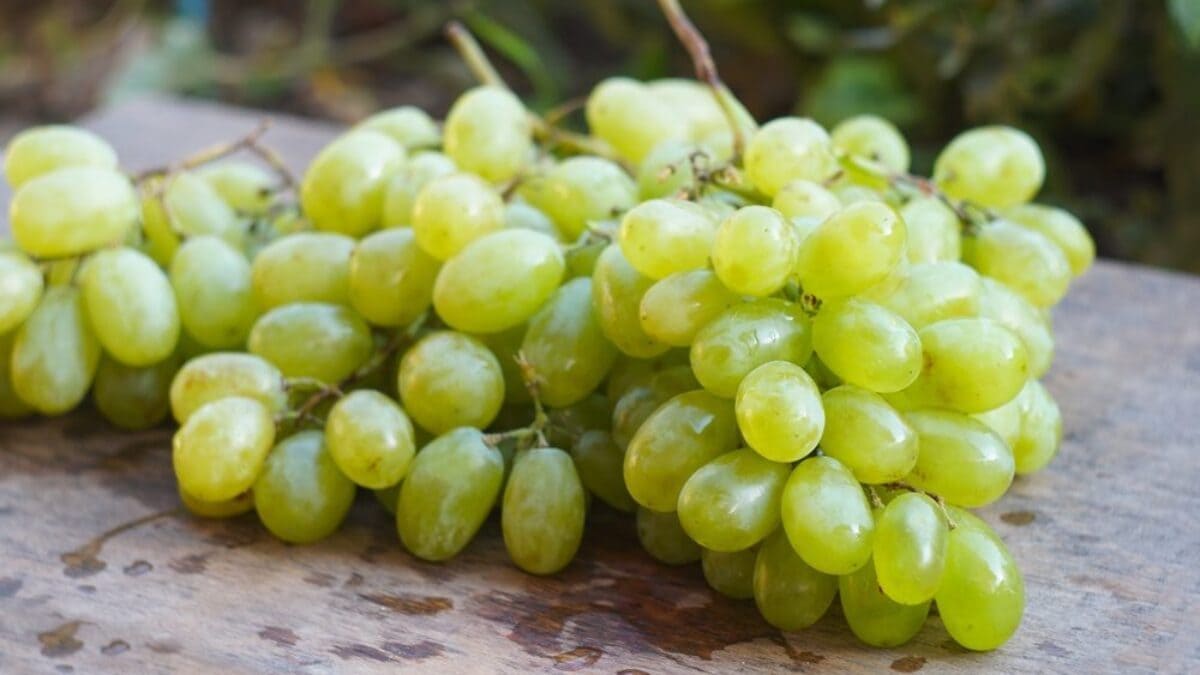
They are called "seedless" and are increasingly in demand on the market: we are talking about seedless fruits among which grapes stand out, the great protagonist of autumn. Grapes without woody seeds are particularly convenient to eat as they are and to use in a wide variety of recipes. Are we dealing with a product developed by man that does not exist in nature? Absolutely not. Although it may be strange to think of a fruit that contains no seeds, the seedless grape (as it is properly defined) is not a GMO, created in a laboratory, but a typology that includes different table cultivars (white and black) united by peculiar biological processes.
What Are Seedless Grapes and How Do They Grow?
The ancient Greeks were already familiar with seedless grapes: the term apirena derives from the Greek ἀπύρηνος, with the privative alpha as a prefix followed by the word πύρηνος, which means "stone", "seed", "nucleus" and which identifies all those fruits that have in common the failure to form seeds during ripening. As regards grapes, two types can be distinguished:
- Parthenocarpy: the fruit develops completely seedless, since pollination does not result in fertilization. It is a pure seedlessness, of which the Corinth grape, from which raisins are obtained, for example, is one of the best-known varieties.
- Stenospermocarpy: In this case, fertilization occurs, but the embryonic development is not completed. If the abortion occurs in the early stages, the seed does not have time to form in the berry, while if it occurs later, rudimentary seeds may be found, but they are tender and not woody, almost imperceptible. They represent the majority of seedless grapes on the market.
Seedless grapes, just like common grapes, require specific strategies to achieve quality production. The berries tend to be smaller due to the lack of hormones and nutrients normally carried by the seeds. For this reason, in some cases, specific treatments and targeted cultivation practices (from irrigation to bunch selection) are used to encourage their development.
Selection Vs. Crossbreeding Vs. Genetically Modified Organisms
When it comes to plant cultivation, there is a science that, as defined by the Encyclopedia, "studies the interconnections between the environment and agriculture and the methods of intervention of the farmer on the factors that determine the production of cultivated species." We are talking about agronomy, a discipline that allows for improvements on multiple fronts, including the genetic one of a plant: and it is here that terms like selection and crossbreeding appear, which fall within traditional genetic modification techniques.
In selection, individuals with certain positive characteristics (from size to ripening time, including disease resistance) are chosen from existing species and used in subsequent generations, with the aim of becoming predominant over the years. In crossbreeding, on the other hand, two different species are bred to combine specific values that are advantageous for the offspring, for example by pairing a highly productive but not very resistant plant with another that is the opposite: the heirs will take the best of both, resulting in both productivity and resistance.
Many of the seedless grape cultivars spread throughout the world were born from long selections and/or intervarietal crosses, but have nothing to do with GMOs, where in order to obtain certain results (such as greater tolerance to herbicides or harmful insects) the DNA (the genetic heritage of every living being) is directly modified in the laboratory using genetic engineering techniques: in the U.S. the commercial cultivation of genetically engineered crops is permitted, subject to applicable federal and state regulations. Their production and sale are overseen by agencies including the FDA, USDA, and EPA, which regulate food safety, agricultural biotechnology, and certain pesticide-related risks.
How Do You Propagate Seedless Grapes if There Are No Seeds?
Seedless grapes follow the same rules as vines in general: they are not sown by seed, but by vegetative propagation techniques such as grafting or cuttings, creating "clones" of the mother plant from parts of the plant itself. The first case is the most classic, and allowed European viticulture to flourish again after the phylloxera scourge in the late 19th century, seeing the union of two different species: a shoot with buds (the organs from which new shoots develop) of the characteristic variety – which will form the aerial part of the vine – is inserted into the so-called rootstock, or base that makes up the root system and which belongs to another cultivar. In this way, historically, European varieties destroyed by the parasite were allowed to repopulate thanks to the combination with American plants with resistant roots. The same shoot, however, takes the name of cutting when it is planted in the ground and begins to take root.
The Most Popular Varieties
Seedless grapes are divided into two large color families – white and red/black – and include both historic varieties and new-generation cultivars, the result of constant agronomic selection work.
- Corinth and Sultana grapes: these are the historic ancestors of seedless grapes. The first, with its small, dark berries, is known for its pure parthenocarpy; the second, with its white, golden berries, is renowned worldwide for its raisin production, thanks to its high sugar content and crisp pulp.
- Sugraone (Superior Seedless): among the most popular white table grapes in large-scale retail trade, it is characterised by large, cylindrical berries and particularly firm and juicy pulp, with a perfect balance between sweetness and acidity.
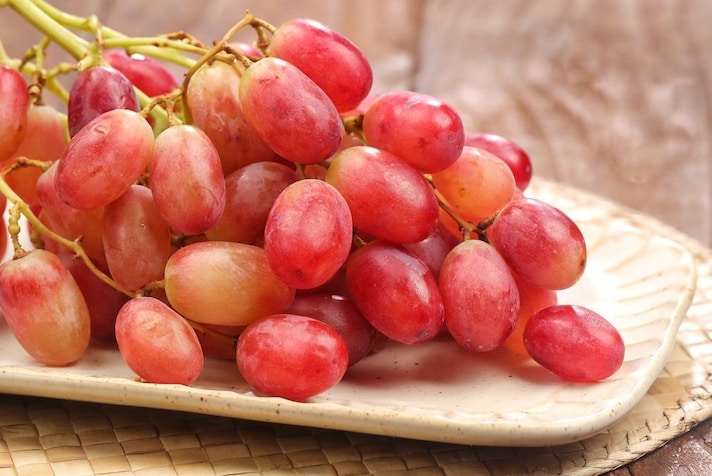
- Crimson Seedless: One of the most popular fuchsia or reddish-purple varieties on the fall market. It features elongated berries, a thin but tough skin, and crisp flesh with a sweet, slightly aromatic flavor.
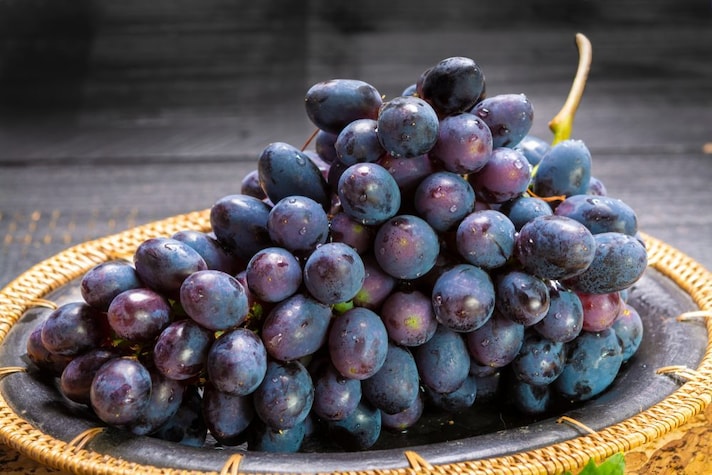
- Midnight Beauty and Autumn Royal: these are the benchmark for seedless black grapes. They have large, deep blue-black berries, polyphenol-rich skin, and firm flesh that guarantees excellent shelf life both when eaten fresh and in culinary preparations.
- Maula: one of the most recent innovations entirely made in Italy, developed in Apulia. This is a seedless black grape that combines the absence of seeds with an intense aromatic profile and remarkable resistance to transportation and storage.
Why Seedless Grapes Are Conquering The Market
It's not hard to understand the reason for the progressive success of seedless grapes, especially when you bite into a berry and try to get rid of those small but annoying "guests." In the United States, seedless table grapes have become the standard choice in grocery stores, thanks to their convenience and widespread availability. Seedless watermelons have also gained popularity, reflecting American consumers’ preference for fruit that is easy to prepare and eat. A growing trend, where seedless grapes are considered a truly new frontier: they are highly appreciated for their practicality of use, as they are not only convenient to eat, enjoying the pulp without obstacles, but also to use as an ingredient in the kitchen, to be used in fruit salads or salads, or in desserts such as tarts and cakes, or as jams and sauces, where the benefit is the smooth and velvety consistency.

