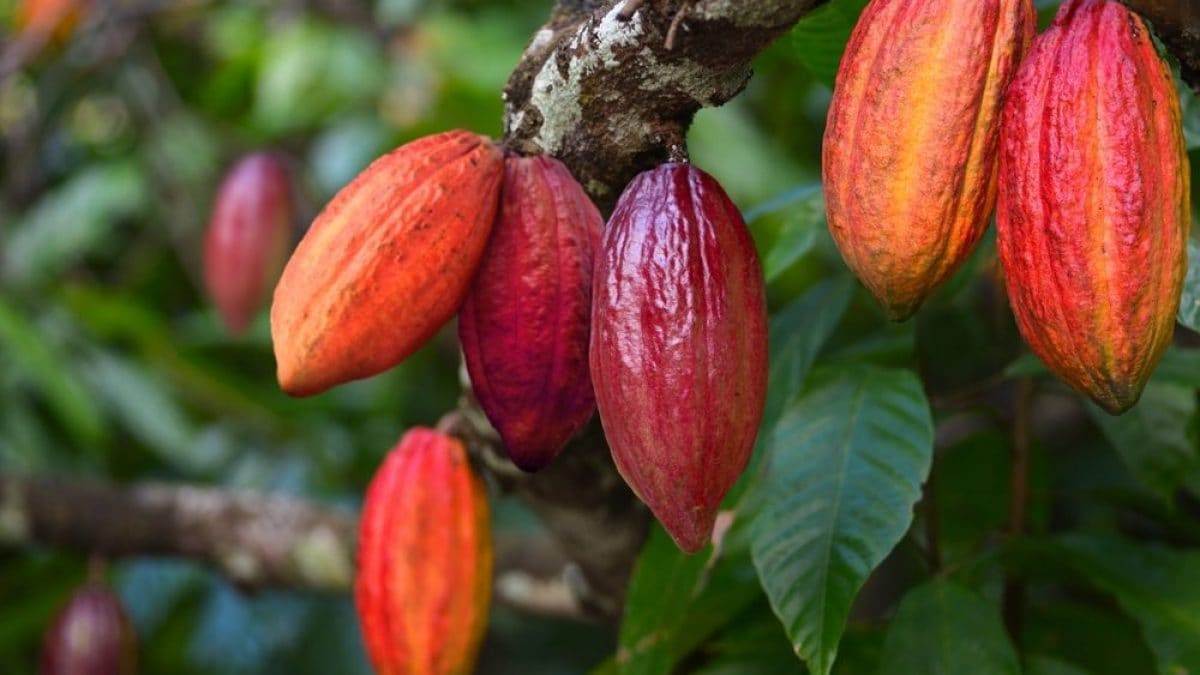
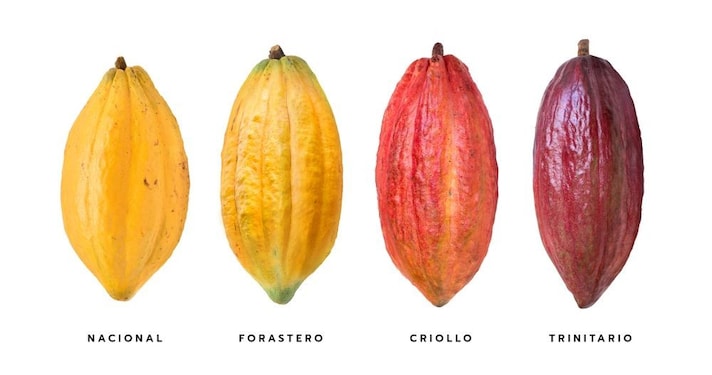
Criollo means gourmet chocolate. It is, in fact, the most prized cocoa variety in the world, but also the least available. Dominating the market is Forastero, the most widely cultivated plant, which produces 90% of the cocoa we find in our homes, in all its forms, from bars to creams, including pralines and other packaged products that use it as an ingredient. Why is it so widespread? Because it is profitable, characterized by a rather anonymous aroma and flavor, perfect, therefore, for mass consumption. Criollo is practically its nemesis: a fragile, low-yielding plant, which produces beans with a unique sensory profile, delicate and complex at the same time, which is used to make a high-quality chocolate. Let's discover it.
Criollo, The Oldest Cocoa
The term “criollo” in Spanish means “native”, “original”, and it is no coincidence that it is used to identify this type of cocoa. This is the variety that the conquistadors came into contact with once they landed in Central America, cultivated by the Maya who used it both to make ritual drinks, ancestors of modern hot chocolate, and as a means of exchange: the beans were so precious that they were used as currency. Why has it become so rare, covering less than 1% of the world's pure production? The plant is susceptible to disease, parasite attacks and bad weather, representing a non-profit investment given the high global demand for cocoa, with a final cost up to four times higher than that of Forastero. Venezuela, Ecuador, Peru, Mexico and even Madagascar have seen a recovery of Criollo in limited areas in recent years, with producers focusing on excellence by working in synergy with the local population, preferring traditional processing methods.
Why is Criollo so Prized?
We understand why Criollo is rare, but where does its value come from? It's all thanks to its sensory profile: it has moderate acidity and bitterness, low astringency – due to the absence of tannins – and a wide aromatic range, where notes of dried fruit, red fruits, honey, caramel and light floral or spicy nuances can be perceived depending on the terroir. The color tends to be lighter than Forastero due to the bean, which has milky white hues (and not dark, as they commonly are), and last but not least , it is the only one that achieves softness and roundness in the mouth thanks to an almost velvety consistency, to be fully appreciated in the form of a dark chocolate bar. Isn't there a middle ground? Yes, it's called Trinitario and takes its name from the Caribbean island where it developed in the 18th century: it is a natural hybrid between Criollo and Forastero, considered high-quality, and which corresponds to the second most widespread variety.
;Resize,width=767;)
