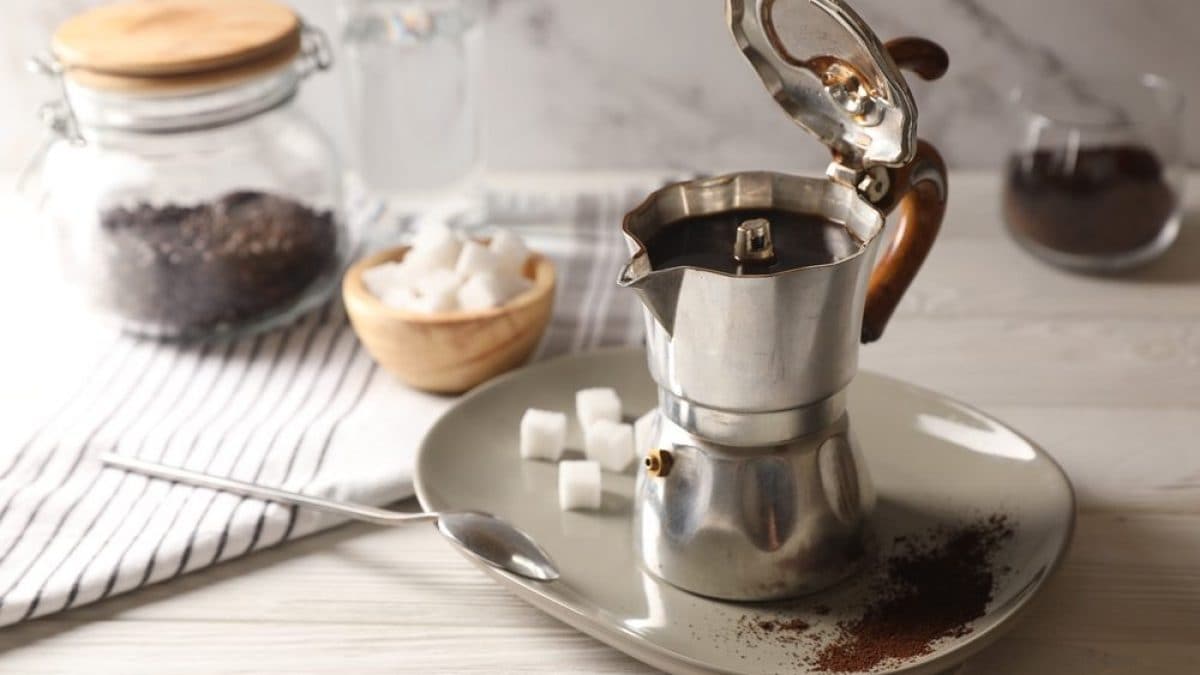
Making coffee with a moka pot is a daily ritual, a gesture that marks the start of the day, but can also pop up during work breaks at home. How often do you make a cup and then forget about it in the moka pot? Maybe because you left in a hurry or because you made more than you needed. What seems like an exception turns out to be almost a habit, albeit a mistaken one, because it happens much more frequently than you might think: leaving coffee ready for someone who wakes up later, making it for a guest who then changes their mind, or simply not having time to drink it anymore (an unexpected call comes in).
Some people leave it to "decant" in the moka pot for several hours, then reheat it. The problem, however, arises when the coffee, once extracted and coming into contact with air, begins its degradation process, altering its flavor, aroma, and overall organoleptic qualities. In short, if you don't take advantage of it immediately, the pleasure of a cup of coffee could be compromised.
How Long Does Brewed Coffee Last in a Moka Pot?
After just a few minutes of brewing, coffee begins to lose its best qualities. The aromas, responsible for the uniqueness of each blend, are volatile substances that tend to disperse quickly. If left to steep in the moka pot for even an hour or two, the flavor of the drink becomes flatter and bitter, although it is still drinkable.
After four or five hours, however, oxidation progresses and the coffee becomes decidedly less palatable, taking on a metallic or even acidic aftertaste. If left overnight, the risk is that, in addition to being unpleasant to the palate, excessive oily residues and encrustations will form in the moka pot itself, which could also affect subsequent coffees: the coffee pot, in fact, must always be cleaned after each use.
Oxidation and Its Consequences on Coffee
One of the main factors affecting the quality of coffee left in the moka pot is oxidation. This process affects most foods (think cured meats, cheeses, fruits, and vegetables) and occurs as soon as they come into contact with oxygen. The essential oils in coffee lose their fragrance both when they are in the beans, in the ground coffee (which is why they must be stored correctly), and in the drink: once they react with air (30 minutes is enough), chemical compounds are formed that cause unwanted flavors. This explains why a freshly brewed coffee has an intense and pleasant aroma, but after a few hours it becomes bitter and almost unpleasant.

Why is It Better to Not Reheat Coffee?
Avoiding waste in the kitchen is a good practice to always keep in mind: coffee is no exception, especially since it's a raw material whose costs are constantly rising. For many, therefore, the solution is to reheat the beverage, sometimes even repeatedly, even though experts advise against it. This refers in particular to chlorogenic acid (a polyphenol found in many plants, especially green coffee), which breaks down at high temperatures, altering its pH, resulting in an increase in acidity that, if consumed in high concentrations, can lead to gastritis problems.
How to Store (And Use) Moka Pot Brewed Coffee
If you absolutely must have leftover coffee, there are a few ways to preserve it as best as possible. The ideal is to immediately pour it into an airtight container, preferably glass, to protect it from air and the odors of other foods, and store it in the refrigerator to preserve its aroma. Rather than using it as a beverage itself, we suggest turning it into an ingredient. For example, there are several desserts that require coffee to be cooled, such as tiramisu. Or it's perfect for a quick, frothy coffee cream. Freezing coffee brewed with a moka pot is a good way to preserve its organoleptic characteristics: put it in ice molds, which are ideal for a strong iced coffee or for making a granita.
;Resize,width=767;)
