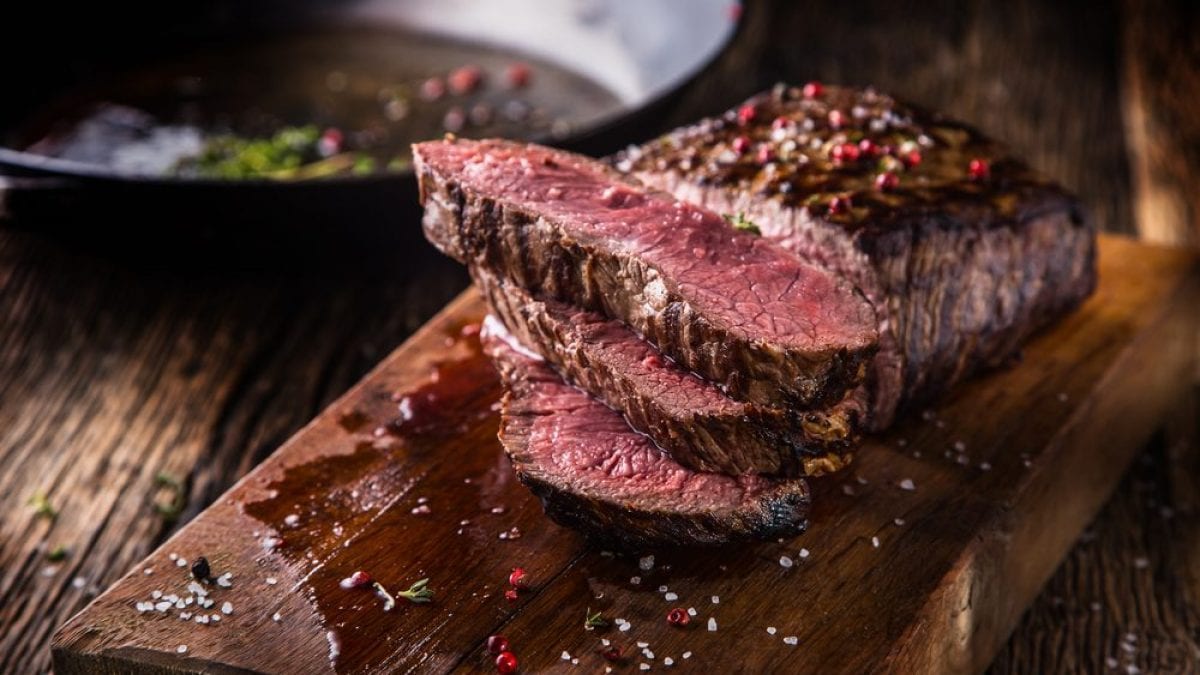
How often, after a busy day of work, hitting the gym, and other commitments, do you come home craving a nice steak or burger? But have you ever wondered how much meat we can really eat without causing irreparable damage to our planet? It seems like a simple question, but behind every plate of meat lies an impact that goes far beyond what we put under our teeth. Don't worry, to save the world, we don't necessarily have to become vegetarian. A new study published in Nature Food a few months ago offers some "tips" on how to eat meat without significantly damaging the ecosystem. Essentially, we'll have to change our habits slightly, but without sacrificing taste.
What is The Sustainable Limit?
To answer the question we posed earlier, a team of researchers from the Technical University of Denmark maintains that the weekly meat limit is 255 grams. This is the exact amount we should eat in seven days to avoid overburdening the ecosystem. How much is the equivalent? Essentially, two slices, preferably white meat like chicken or pork, because it satisfies the environmental and nutritional goals set in the 2016 Paris Agreement. Essentially, this is an international treaty that aims to limit global warming to well below 35°F/2°C above pre-industrial levels, and preferably to 34.7°F/1.5°C, through the reduction of greenhouse gas emissions. This limit was determined using a model that cross-references over 2,500 foods, taking into account both health benefits and environmental impact.

So why do experts recommend consuming mostly white meat? Simply because red meat would increase the environmental impact exponentially. Raising cattle and sheep involves the destruction of forests, the occupation of land, the production of feed, and the emission of potent greenhouse gases, such as methane and nitrous oxide, into the air. According to researchers, the alternative is 98 grams per week, should you decide to opt for red meat.
A Cultural and Social Choice
As we initially specified, adopting a sustainable diet doesn't mean eliminating meat, but making conscious choices. Opting for meat from sustainable farms, reducing red meat consumption, and increasing plant-based protein intake are key steps forward. Furthermore, it's essential to consider cultural and social differences, as eating habits vary greatly between regions and communities.

In short, we can continue to enjoy meat, but with moderation and awareness. Limiting consumption to 255 grams per week, choosing sustainable white meats, and supplementing our diet with plant-based protein sources are choices that contribute to the health of our bodies and the planet. Researchers at the University of Denmark have created a model that combines 32 nutritional parameters with our planet's main ecological constraints. The result is a realistic eating plan that includes white meat, fish, eggs, and cheese in moderate portions: a flexible menu that easily integrates with different cultural traditions and can evolve thanks to technological advances.
;Resize,width=767;)
