Food production has a significant impact on the environment, contributing significantly to greenhouse gas emissions, the consumption of natural resources, and the loss of biodiversity. Every food we bring to the table tells a story that goes far beyond taste, involving processes that affect the planet on various levels. But it is possible to reduce this impact through conscious choices and small daily measures. There are many ways in which our consumption habits can make a difference, helping us eat more sustainably and protect the environment: here's how to reduce your impact on the planet, starting with the food you buy, cook, and eat.
The Environmental Impact of Food Production
Among the sectors contributing most to global pollution, the energy industry is the leading contributor, followed by agriculture and textiles. The food sector plays a significant role, as it encompasses both agriculture and food processing and packaging.
According to an analysis published in Our World in Data, the global food system is responsible for approximately 26% of global greenhouse gas emissions. These emissions arise from various stages of food production, including land-use change, crop production, processing, transportation, packaging, and retail.
In particular, the livestock sector contributes significantly to these emissions: the FAO's "Livestock's Long Shadow" report estimates that the livestock sector is responsible for 18% of anthropogenic greenhouse gas emissions, a higher percentage than the transport sector. Food production requires intensive use of natural resources: for example, agriculture uses approximately 70% of the globally available freshwater. Furthermore, approximately 38% of the Earth's land surface is devoted to agriculture, with a significant portion used to produce livestock feed.
The expansion of agriculture is a major driver of biodiversity loss: for example, the Chatham House report "Food System Impacts on Biodiversity Loss " highlights that the conversion of natural habitats to agricultural land is the main cause of biodiversity loss globally. Meat production in particular is associated with high deforestation, especially in regions like the Amazon.
The food industry, which includes productions such as fishing, chocolate, coffee, dairy, and alternative foods, also contributes significantly. Another major problem is packaging: every year, millions of tons of plastic end up in the oceans, much of it from food packaging.

How Much Does Food Waste Impact The Environment?
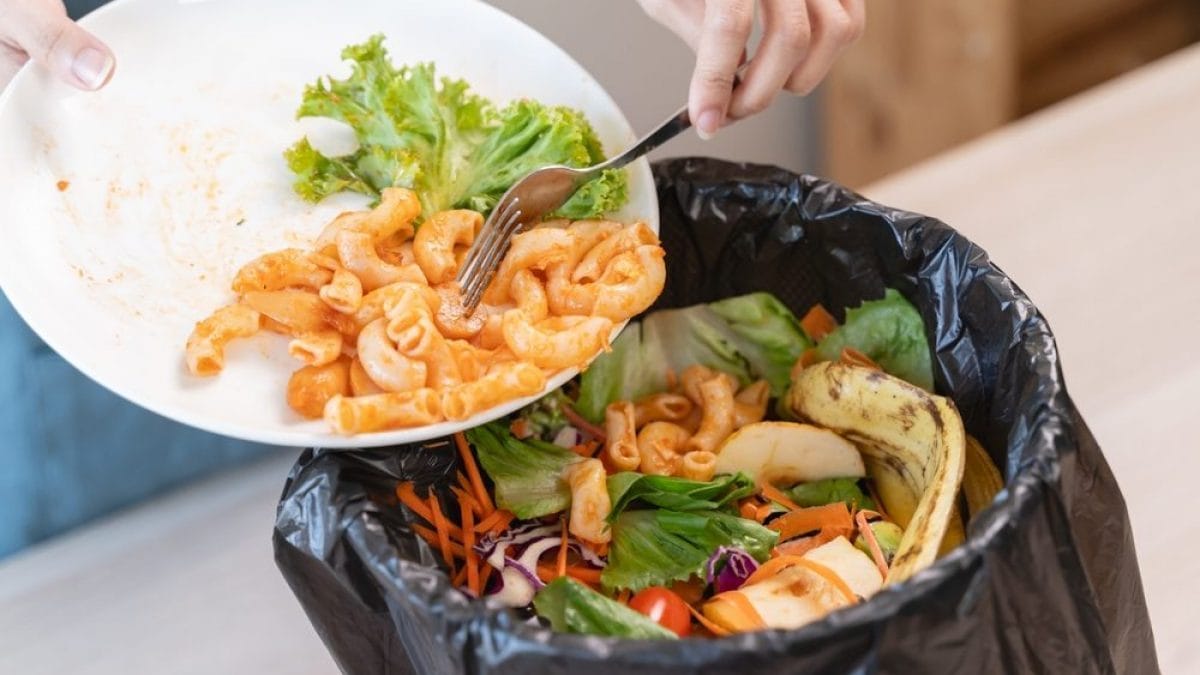
Another factor with a significant impact is food waste. In the U.S., over the past twenty years, hundreds of millions of tons of food have been thrown away, with an average figure in 2022 exceeding 6.7 pounds of food wasted per person per week. Food waste is a significant problem in our country, with recent data showing a worrying increase.
In the United States, the numbers are bigger — and the trend is stubborn. A recent U.S. EPA analysis estimates that the average American wastes about 256 pounds of food per year, which works out to roughly 5 pounds (about 2.2 kilograms) per person every week.
And while year-to-year tracking can vary depending on methodology, broader U.S. monitoring suggests progress has been uneven: ReFED estimates total consumer-facing food waste (from households, restaurants, and retail combined) was about 349 pounds per person in 2022, underscoring how significant the problem remains.
What Can We Do To Reduce The Impact?
While the numbers may seem daunting, change starts with individual behaviors, which, when added together, can make a difference. Adopting sustainable practices in managing food and household resources is a concrete choice to reduce environmental impact and contribute to a more conscious lifestyle. Here are some effective strategies to make your eating routine more mindful and responsible.
1. Shop Consciously

Well-planned shopping is the first step towards sustainability. Choosing local and seasonal products reduces transportation emissions and supports the local economy. It's also essential to buy only what you need, avoiding impulse purchases that often lead to food waste. Paying attention to offers on products close to their expiration date can be a good way to save money and help reduce waste in the food supply chain, as long as you consume them quickly.
2. Manage Your Refrigerator and Pantry Well

Properly organizing your refrigerator and pantry helps keep food in good condition and reduce waste. Strategically arranging foods—placing the most perishable or those with a short shelf life at the forefront—allows you to consume them promptly, preventing them from going unused. It's also helpful to know and apply the "first in, first out" rule: what's bought first should be consumed first.
3. Plan Your Meals and Reuse Everything You Can

Meal planning helps reduce waste and optimize ingredient usage. Using all edible parts of foods, including peels, leaves, and stems whenever possible, is a sustainable form of cooking that's often rich in flavor and nutrients. Preparing portions tailored to your needs and freezing leftovers in reusable containers helps you avoid waste and always have meals ready when needed.
4. Save Water and Resources

Even in the kitchen, you can take steps to reduce water consumption, such as avoiding washing fruit and vegetables under a continuous stream when not necessary: in many cases, simply immersing them or dry cleaning them is sufficient. Furthermore, using a full dishwasher is often more efficient than washing them by hand, especially if you use energy-efficient models. High-efficiency refrigerators, ovens, and freezers can also help reduce consumption.
5. Choose Reusable Materials

The problem of excessive packaging use, especially single-use plastic, is one of the most pressing issues in the fight against pollution. Choosing loose products, reusing containers, and carrying cloth or reusable shopping bags are small habits that make a difference over time.
6. Manage Waste Correctly

Finally, sustainable behavior also involves proper waste separation. Carefully separating plastic, paper, glass, organic waste, and general waste is essential to enable recycling and reduce the environmental impact of waste. For organic waste, it's helpful to set up a home compost bin if possible, where you can also place compostable dishes and plates. It's also important to learn about your municipality's specific regulations and use recycling centers to dispose of items that cannot be disposed of in traditional bins (such as small appliances, batteries, light bulbs, or used oil).
;Resize,width=767;)
