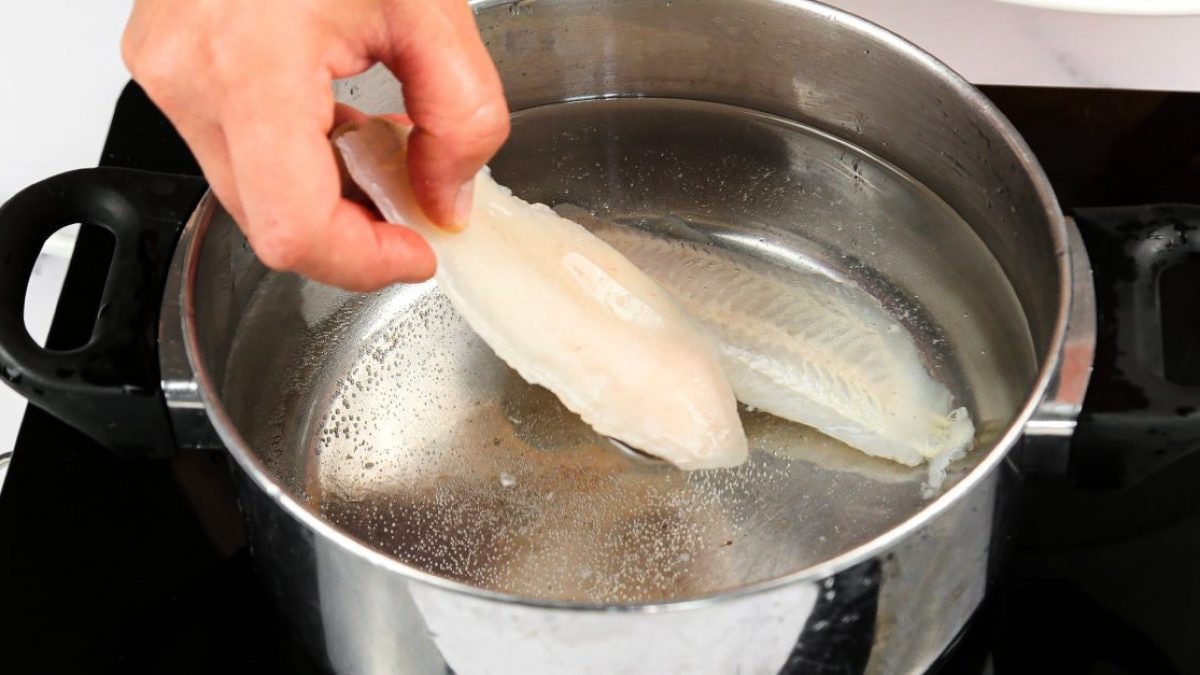
Boiling fish is no longer synonymous with "drab" recipes: simple, healthy, and light, these are perfect dishes to include in a balanced diet that increasingly resonates with flavor. Moreover, we're talking about a cooking technique that, in just a few steps, brings out all the goodness of a food that's often considered complicated to cook. Below, you'll find tips on how to best boil a whole fish, from which fish species to choose to tips for making the meat fragrant and flavorful. And don't forget the seasonings and sauces to bring it to the table.
1. Choose The Right Fish
A good poaching method starts with the choice of fish. Choose fish with firm, white flesh: classics include sea bass, cod, hake, gurnard, monkfish, and grey mullet, as well as the more prized sea bream and snapper. Also make room for flatfish such as plaice, sole, turbot, and John Dory, among the most popular for light recipes. You can also cook crustaceans this way, especially shrimp, prawns, and scampi, as well as mollusks such as cuttlefish, calamari, squid, and baby octopus. Even octopus is suitable for boiling, but we recommend following the specific procedure to ensure it remains incredibly tender. Freshwater fish are also available: focus on trout, whitefish, tench, and carp. For best cooking management, we recommend choosing fish weighing between 400 grams and 1.5 kilograms, so that the cooking time is uniform and not too long, no longer than 25 minutes. Since this technique enhances the meat's natural flavor, opt for fresh fish: once purchased, bring it to the table within the day.
2. Use The Right Tools
Cooking a whole fish requires a pot large enough to hold it without bending or curving it as little as possible. This is why special fish kettles are available, which are oblong, narrow containers with an internal grid that allows the fish to be lowered and lifted without risking breaking it. But don't worry, this isn't essential. A standard, wide, high-sided saucepan will do the trick: the important thing is that there's plenty of water, as it must completely cover the fish. Bring a slotted spoon to remove the fish without breaking it into pieces, and a fork, spoon, and tongs, which will be useful when portioning it.
3. Flavor The Water
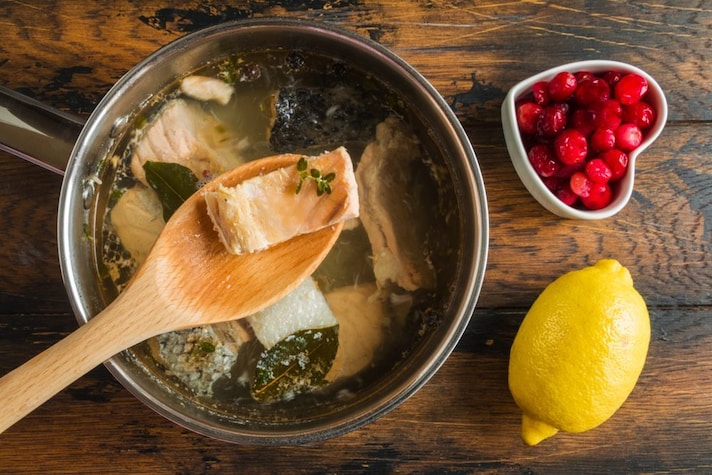
Once you've purchased the fish, it's essential that it's clean before cooking. If the fishmonger hasn't already done so, you need to gut it by making an incision along the belly and then removing the innards. Finally, rinse thoroughly under running water. A secret to making fish flesh flavorful is to boil it in flavored water, adding salt, oil, herbs to taste, lemon slices, and vegetables. The best way is to make a court bouillon, which, despite the French word, shouldn't intimidate you because it's simple to prepare. It's a flavorful, concentrated vegetable broth ready in a short time that serves as the base for cooking: the ingredients are celery, carrot, onion, parsley, and other fresh herbs, which are simmered for about 30 minutes in water acidulated with white wine and white wine vinegar. After being filtered, it's used to immerse the fish. There are two different ways:
- If the fish is small, it's best if the liquid is already hot, almost boiling, to ensure quick and even cooking.
- If the fish is medium-large, it should be added cold: this means waiting for the broth to cool completely and then adding the fish, then turning on the heat: this will ensure a gradual transmission of heat, reducing the risk of the skin breaking.
If you notice that the broth is not enough, you can add some water: it must be of the same temperature, to avoid causing thermal shock.
4. Respect the Cooking Times
Cooking time depends essentially on the weight and type of fish. A general rule of thumb is:
- For whole fish up to 1 kilogram, cooking time is 20 minutes, which increases to 25 if the fish weighs 2 kg, and 30 minutes for a 3 kg fish.
- Flatfish: cook for 9 minutes per 500 grams of weight.
- Shellfish: 2-3 minutes for shrimp, 4 minutes for prawns and 5 minutes for scampi.
- Molluscs: 25 minutes for cuttlefish, squid and calamari, 5-10 minutes for baby octopus.
A good indicator of doneness is the color of the flesh. Gently prick the back of the fish with the tines of a fork: the flesh should appear white and opaque, with no translucent areas. Carefully remove the fish, scooping it out with a slotted spoon and placing it on a plate or cutting board.
5. Serve It in Portions
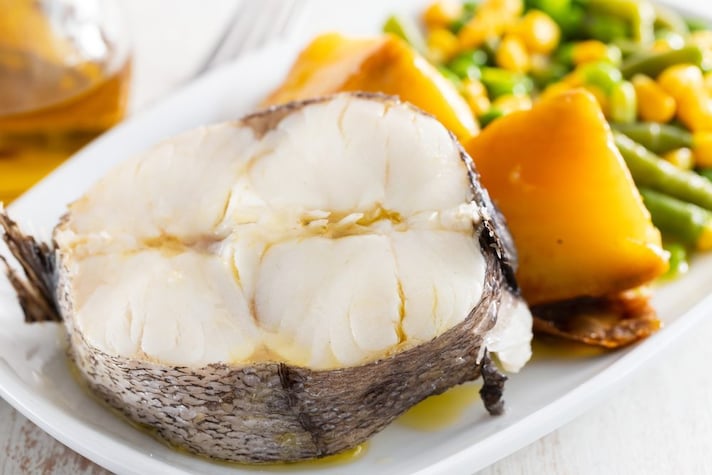
Boiled fish should be served pre-portioned, ready to be enjoyed. First, remove the skin, which, being very moist, can be removed simply by rubbing it with a fork. Using a spoon, remove the head and the dorsal and ventral bones, thus obtaining the fillets from the upper part. Once the flesh is removed, also remove the central bone and remove the lower fillets. Make sure there are no remaining bones; if necessary, remove them with tweezers. A tip to avoid waste? Use the head, the remaining skeleton, and the scraps to make a fish stock.
6. Season It Lightly and Tastefully
The advantage of boiled fish? It's a light and digestible dish, perfect for hot, warm, or cold, and enhanced with simple condiments that complement rather than overwhelm the flavor. A drizzle of quality extra virgin olive oil can be enough: if you like, you can enrich it with a citronette and chopped parsley. Also consider sauces, fresh and with a velvety texture, which pair well with these dishes: try a light yogurt mayonnaise , a creative avocado one, or a delicious aioli sauce. And what about side dishes? Healthy options include boiled potatoes and steamed or grilled seasonal vegetables: try tomato carpaccio and marinated zucchini. Also remember that boiled fish can be part of tasty salads, such as calamari or baby octopus salad, perfect for the warmer months.
;Resize,width=767;)
