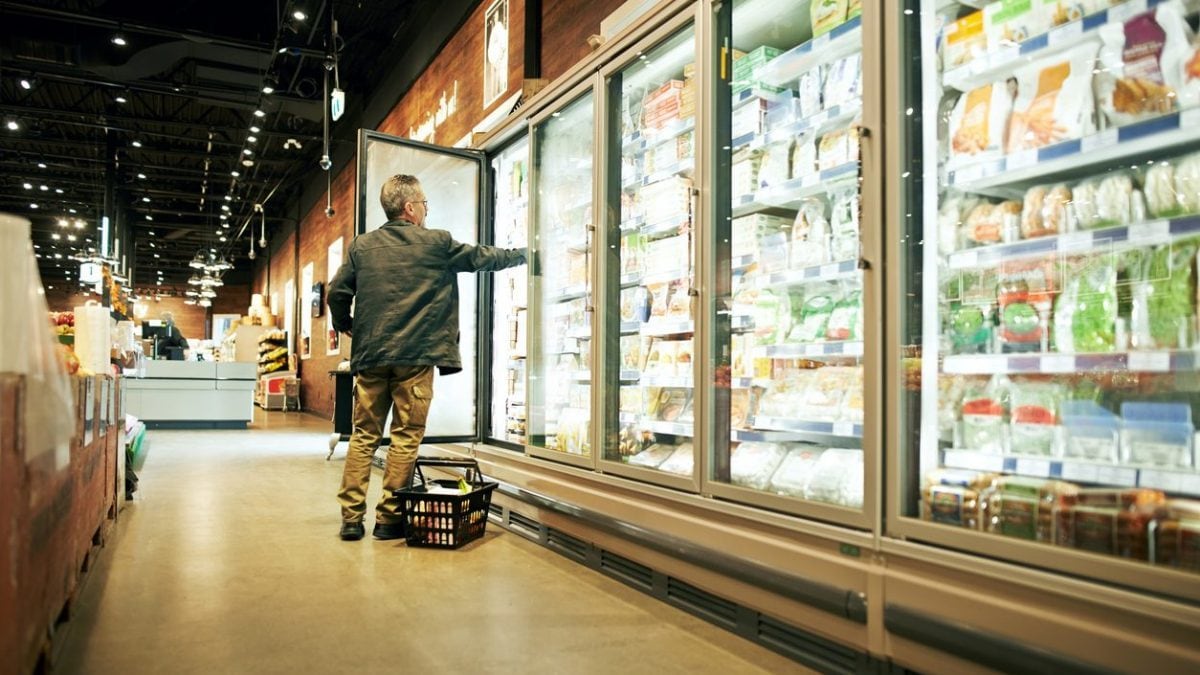
Tiring day and not in the mood to cook? Your choice might fall on a dinner based on frozen products, as they're convenient and quick to prepare. Nutritionally, frozen foods are just as good as fresh ones, as long as they're consumed and stored properly. In this article, we'll explain how to choose a good frozen product and avoid substandard ones.
How to Recognize a Quality Frozen Food
Buying frozen products has become commonplace for many families thanks to their long shelf life. However, not all the foods we choose are created equal. There are many different types of frozen foods on the market, and we must be careful when choosing them, paying attention to several factors: their origin, the freezing method used, and carefully reading the label.
1. Temperature and Packaging
The first thing to do when purchasing a frozen product is to check the freezer compartment temperature, which cannot exceed -0.4°F (-18°C). This is stated in numerous laws, which state that products subjected to a special freezing process allows the maximum crystallization zone to be exceeded as quickly as necessary, depending on the nature of the product, and maintains the temperature of the food throughout its entirety, after thermal stabilization, continuously at or below -0.4°F/-18°C.
Another thing to pay attention to when purchasing frozen products is the amount of ice in the packaging or on the food. Check that the packaging is intact, with no dents or visible damage. Remember that excessive icing (a layer of ice that forms around frozen foods) can be a sign that a product has been frozen or thawed more than once. This occurs when the food has been stored improperly or left too long in a freezer that isn't working properly. Products should be flash-frozen to preserve all their nutrients.

2. Label and Origin of The Frozen Product
There are additional factors to consider when purchasing a frozen product. Other factors to consider when choosing a quality product include its provenance (especially for fish) and labeling. While the country of origin doesn't influence quality, it's important to pay attention to the areas of provenance, which must meet strict quality standards. If a seafood product comes from a country with less stringent food safety regulations, it could pose a greater health risk. For example, it's best to choose fish caught by vessels using sustainable techniques and holding the necessary certifications for ethical and sustainable fishing.

The label is also very important for understanding how the product has been processed. Avoid products containing margarine or hydrogenated fats, which are unhealthy. Avoid sodium glutamate and artificial flavors or colorings, which are identified clearly on the label. It's better to opt for products preserved with natural ingredients like extra virgin olive oil.
3. Expiration Dates and Reliable Brands
When purchasing frozen products, we must clearly pay attention to the packaging and expiration dates. We should also choose more reliable brands, perhaps with significant certifications, as they may handle organic and fresh products with more rigorous and controlled production processes.
;Resize,width=767;)
