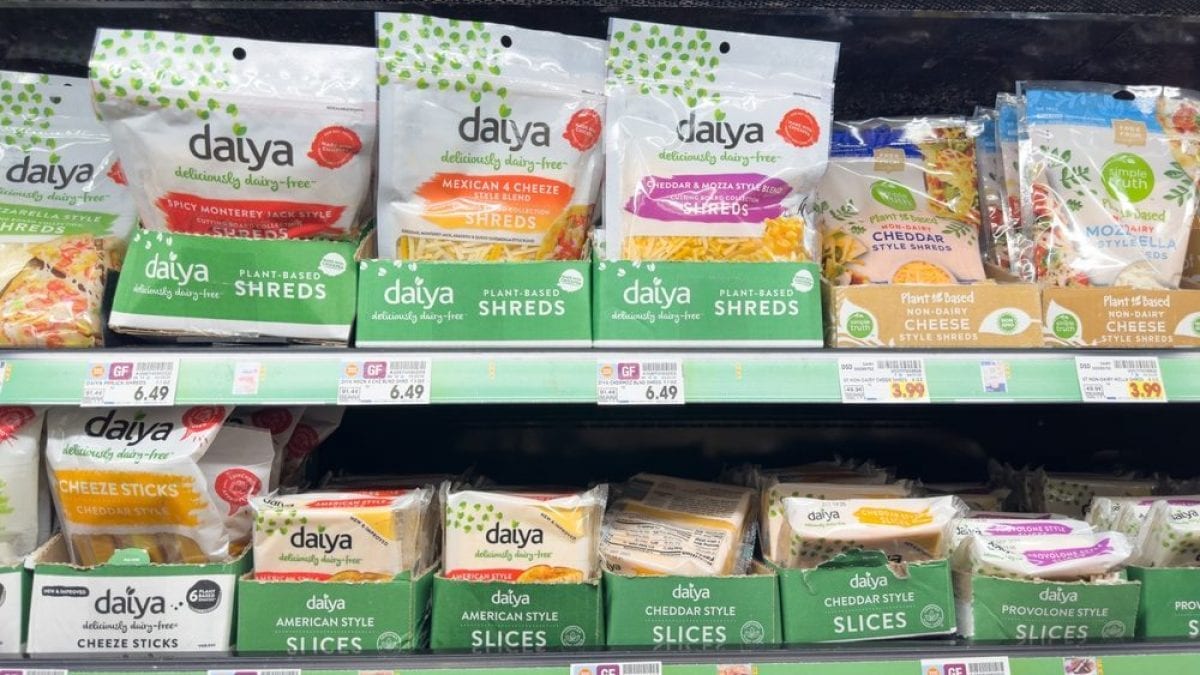
More and more people are choosing to follow a vegetarian or vegan diet, partly because these products are much easier to find than they used to be. All the larger grocery stores stock a wide variety of plant-based products, so much so that even those following an omnivorous diet are encouraged to try them.
As in many other cases, however— see "hidden lactose," for example —you can't always blindly trust a product labeled plant-based. Just as lactose is used in the processing of the most unsuspecting foods, animal-based ingredients can also be used in the production of foods labeled plant-based.
Learning to read the labels, stamps and brands on products sold as plant-based is therefore fundamental: by knowing how to recognize ingredients that could contain "hidden" ingredients of animal origin you will be sure to consume a truly plant-based food.
What Should You Pay Attention to When Buying?
If you want to be 100% sure you're buying a plant-based product that doesn't contain any traces of animal products, you need to learn how to read labels: by carefully examining and understanding the ingredients used, you can determine if there might be traces of non-plant-based products.
And we're not just talking about milk, eggs, or cheese: many gelatins, additives, and substances used in industry use animal-based components whose true origins most people aren't aware of. Truly plant-based products usually have a relatively short and easily recognizable ingredient list.

Pay attention to the labeling as well. If you don't find official marks and certifications on the packaging confirming the product's authenticity, the risk of contamination with animal products is higher. Any other labeling, especially "plant-based," could be misleading.
However, it's a different story when you find the word "may contain traces of": this usually means the food was processed in the same facility that also uses animal products. This is usually a specific wording for allergens, but remember that not all allergens are of animal origin (for example, honey). In this case, if the ingredients list doesn't contain animal products, you can consider the product truly plant-based.
Ingredients to Watch Out For
Knowing which ingredients may be of animal origin is essential if you want to be sure you're buying a truly plant-based product: traces of animal products are found in many ingredients used in many foods, even the most unsuspecting ones.
Of all of them, you should pay more attention to the following:
- Acids and vitamins, especially Omega 3 and vitamin D, are often of animal origin, taken from fish fat and sheep lanolin, respectively. If they are not declared to be of plant origin, this could be a warning sign.
- Carmine, found in many red foods. Like many other food colorings, it is of animal origin, obtained from the dried and ground body of the carmine cochineal insect. It is always listed on the label, but not many people know that it is a non-vegetable product.
- Casein, an animal protein. It's well known that it's a product extracted from cow's milk, but be careful because it can also be found in foods labeled as plant-based (not certified). It's widely used in the food industry, for example, in cereals or sandwich bread.
- Gelatin is a protein obtained from collagen, the main protein in animal connective tissue. You should be careful because it is widely used in the food industry, even in the most unsuspecting products, such as yogurt.
- Shellac, formulated using a secretion from the Asian cochineal insect as a base. It is best known for its use in the confectionery industry, including candy and chewing gum, but is also often added to infusions, herbal teas, and sometimes even coffee.
In addition to these lesser-known ingredients, always remember that ingredients of known animal origin can also be found in the most unexpected products. For example, beeswax, even used to polish fruit, gelatin, whey derived from cow's milk, lard, and bacon fat, often found in industrial baked goods.

How to Be Sure That a Product is Truly Plant-Based
From a legislative standpoint, the food sector is still lacking: the law is still unclear regarding plant-based products, which creates a lot of confusion in the market. The best way to be absolutely sure you're buying a truly plant-based and vegan product is to rely on official certifications and recognized quality marks.
It’s important to understand that certification and branding are not the same thing — especially in the United States. A certification is issued by an independent third-party body after formal audits and documentation checks to verify that a product meets defined standards. In the U.S., BeVeg Vegan Certified is considered one of the most rigorous vegan certifications available; it is ISO/IEC 17065–accredited, meaning it meets internationally recognized standards for product certification, transparency, and ongoing compliance.
That said, many vegan logos commonly seen on U.S. products are not certifications in the strict regulatory sense, but licensed trademarks or verification marks. Organizations such as Vegan Action (Certified Vegan), Vegan Awareness Foundation (vegan.org), and the Vegan Society operate under their own standards and grant companies permission to use their logos based on ingredient reviews and supplier documentation. These programs are legitimate, but they are not ISO-accredited certifications.
In the U.S., these claims fall under FTC truth-in-advertising rules and, in some cases, FDA labeling oversight, meaning companies are legally responsible for ensuring their vegan claims are truthful and not misleading. While these marks are not third-party certifications in the strictest sense, they are still regulated, enforceable, and widely trusted by consumers — and they must exclude ingredients derived from animal sources or animal exploitation to remain compliant.
;Resize,width=767;)
