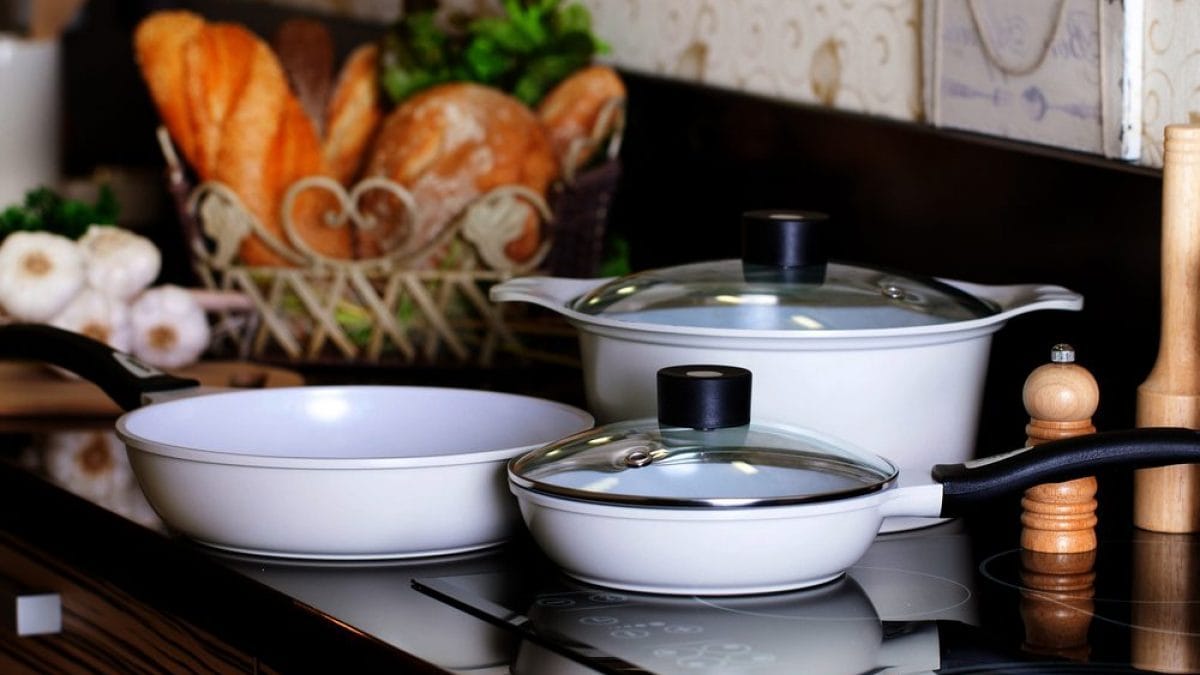
It's often the case that, to get through a quick lunch or dinner, we grab the first pan or pot we can get our hands on and use it to cook a bit of everything. In reality, using one model or another makes a significant difference: the material, but also the shape, has a significant impact on the outcome of the recipe you're cooking. A frying pan is very different from one used to sauté vegetables, just as it is different from one suitable for prolonged cooking such as a stew, because each material and shape interacts differently with heat and food, directly affecting the flavor, cooking quality, healthiness, and durability of the utensils. Using the right tool allows you to achieve better culinary results, save energy, and cook healthier. But how do you navigate the market when there are so many different pots and pans available? Here's a guide to clarify the different materials used for pots and pans and how to choose them based on their intended use.
How Usage Determines Your Choice
Pots and pans differ primarily in shape, but not only that: each also differs in material, thickness, and thermal conductivity, all factors that influence heat distribution, and consequently, the cooking of food and the final outcome of the dish. When you have to buy a pan or a pot, or in general when you have to choose which one to use from those you have at home, you must always consider the culinary use for which you will need it: the type of cooking (frying, boiling, browning) is the first factor to evaluate.
In general, remember that:
- for sautéing and frying, aluminium or iron pans are suitable, with low, flared edges, ideal for the rapid diffusion of heat;
- for long cooking times, soups, broths and stews, cast iron or stainless steel pans with a thick bottom are excellent, as they maintain a constant temperature, or terracotta pans;
- For delicate foods such as eggs, fish and some typical meat dishes, pans with a quality non-stick coating are ideal to prevent the food from sticking.
The choice is also determined by other reasons: how often you will use pots and pans, because some materials are more resistant to wear than others; ease of maintenance, because some materials are easier than others to clean on a daily basis; and food safety, because not all materials are suitable for all foods. Given all these factors, here are the materials commonly used to make pots and pans and what types of uses they are best suited for.
1. Cast Iron Pots and Pans
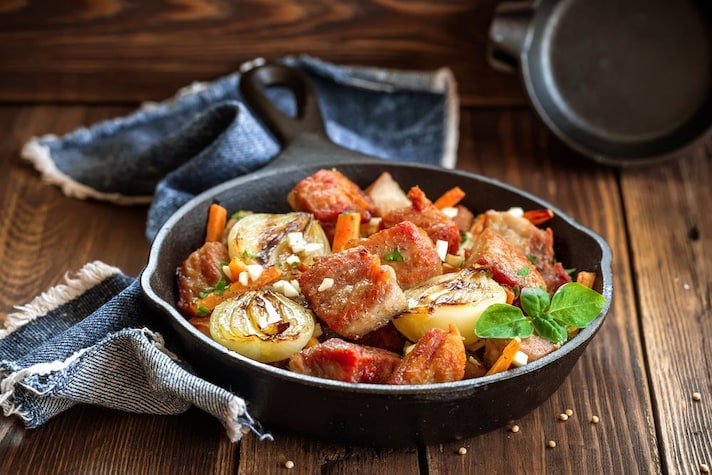
Used for cookware as early as 220 AD in China, cast iron offers advantages such as durability, remarkable heat retention, and affordability. The only drawback is that it is a heavy material and not particularly non-stick: to prevent food from sticking, you need to generously coat the pan with oil and heat it over high heat before adding ingredients. Cast iron pans can be used for practically everything: from sautéed vegetables to burgers to steaks. The only foods for which cast iron is not particularly suitable are acidic foods, which tend to absorb the seasoning, and fish, which is more suited to non-stick pans, but if you use enameled cast iron, you can use it for these foods too. In any case, if you are looking for a product that will last over time, cast iron is the right choice: the important thing is knowing how to care for it properly.
2. Stainless Steel Pots and Pans
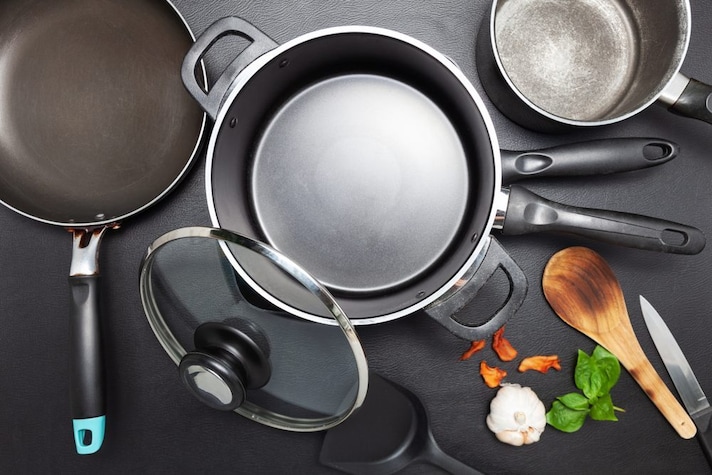
Stainless steel is usually the result of a combination of other metals, such as nickel, chromium, and carbon; the most well-known and widely used stainless steel is 18/10: this acronym means it contains 18% chromium and 8-10% nickel. To prevent heat from spreading in specific areas, a problem caused by the uneven heat conduction that characterizes stainless steel, it is useful to purchase pans with a multi-layered bottom, of an adequate thickness, and to be careful not to cook at too high a heat, so that food does not stick to the surface. In addition to being economical, durable, and scratch-resistant, this material has the enormous advantage of being non-reactive, and therefore suitable for cooking any type of food, including alkaline and acidic foods.
3. Non-Stick Pans and Pots
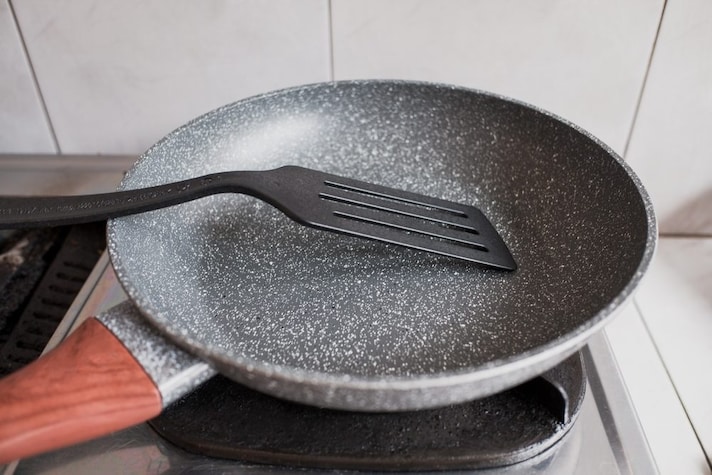
Until recently, nonstick pans were not very popular. Their unpopularity was due to the fact that they were often made of polytetrafluoroethylene (PTFE) and produced using a additive called PFOA. This was precisely the problem, as it was scientifically proven to pose serious health risks due to its bioaccumulation in organisms. Fortunately, this is almost no longer the case, and every respectable manufacturer has eliminated PFOA from the materials used to create cookware. The usefulness of nonstick pans in the kitchen is clear and indisputable, as they allow you to perfectly cook foods that tend to stick, such as fish, eggs, or pancakes. Furthermore, the nonstick properties allow you to reduce the use of fats such as oil and butter, thus also making cleaning the pans easier. In any case, always make sure you purchase reliable products with coatings certified free of PFOA or other similar harmful substances.
4. Aluminum Pans and Pots
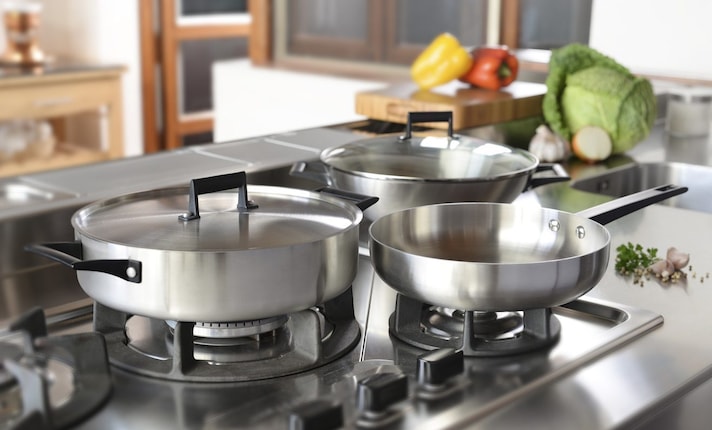
Aluminum is a lightweight metal with high thermal conductivity that ensures even cooking, making it a good compromise between cooking quality and cost. Aluminum pots and pans have the advantage of heating quickly and distributing heat evenly, but they aren't particularly effective at retaining heat, making them less suitable for preparing dishes that require slow cooking. Aluminum's real drawback, however, is that it's not very durable: a fall on the floor can dent it, and it's highly susceptible to scratches even during washing, which is why it's generally recommended not to wash it in the dishwasher but by hand with sponges and delicate products. Precisely to protect it from wear and tear, aluminum usually undergoes an electrochemical process that increases the material's resistance. Aluminum pots and pans are also coated with a non-stick material: this serves both to reduce the risk of corrosion and to prevent the aluminum from reacting with acidic or very salty foods, a potential risk when using aluminum containers (for example, disposable trays) because the acidity can promote the migration of small quantities of aluminum into the food.
5. Iron Pans and Pots
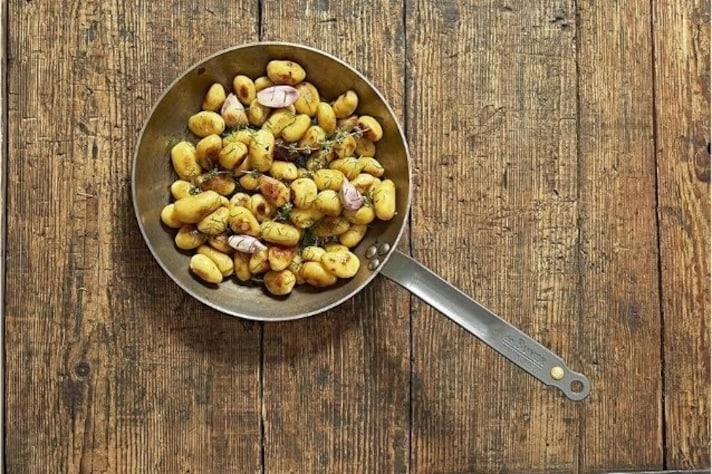
Compared to other materials, iron has a lower thermal conductivity, meaning it heats up more slowly, but retains heat very well. This is precisely why it is used for those requiring high temperatures: despite being a weaker conductor than other materials, it has a high thermal resistance and, over time, it ages, developing a natural non-stick surface. For this reason, iron pots and pans are excellent tools, especially for browning, frying, and grilling. They are particularly considered among the best for cooking meat, frying, and for achieving the Maillard reaction. Iron cookware is also quite inexpensive, but it has the disadvantage of requiring specific maintenance, as it rusts easily if washed in the dishwasher or left damp.
6. Copper Pans and Pots
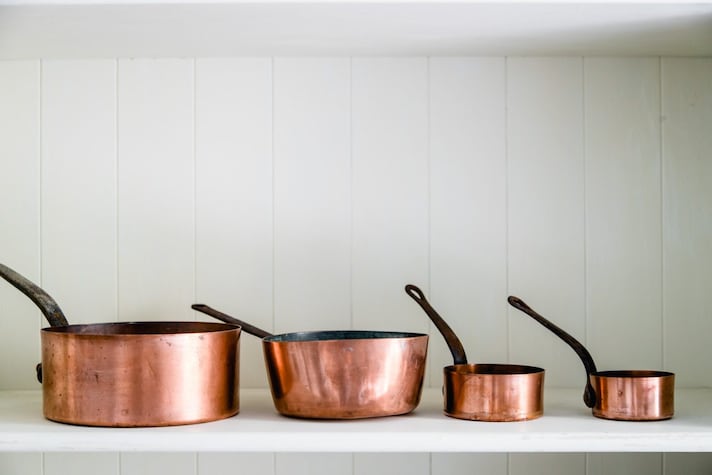
Copper is a good thermal conductor, and this characteristic makes it excellent for making pots and pans. In fact, it is considered one of the best materials for heat conduction, as it combines mechanical resistance with ideal heat conduction. Copper cookware is an excellent tool: the new generation ones are lined internally with tin (tinned copper), silver, or stainless steel, since copper can migrate into acidic foods. This feature also makes them much more durable over time. Copper cookware is ideal for precision cooking, risottos, sauces, creams, caramelizing, frying, and making polenta. It is also renowned for preventing food from burning thanks to constant temperature control. So why don't we all use copper cookware? Despite its advantages, it is a very expensive and delicate material, which should not be overheated to avoid damaging the coating. It is also quite heavy and awkward to handle, requiring delicate hand washing, never in the dishwasher.
7. Terracotta Pots and Pans
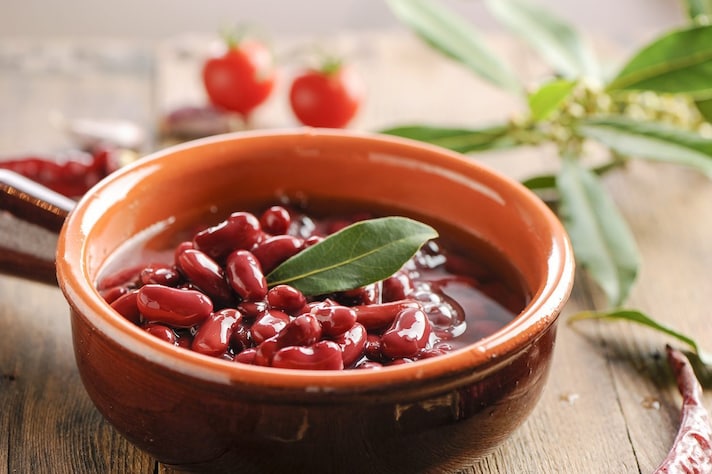
Terracotta is a special insulating ceramic that heats up and releases heat very slowly, a property that allows tableware made from this material to retain heat in the food it contains for a long time. Precisely for this characteristic, terracotta pots and pans are ideal for low-heat cooking without temperature fluctuations and for very long cooking times; they are commonly used for soups, minestrone, stews, sauces, and risottos. Unfortunately, they are very fragile tableware, despite being glazed both inside and out, except on the bottom: heating must occur gradually and evenly, which is why a flame spreader is usually used to allow for even heat distribution. Furthermore, the very first time you use terracotta, it should always be soaked for at least 12-14 hours before using it for cooking, precisely to rehydrate the porous material, prevent breakage from thermal shock, and seal the pores. It's not necessary to do this before every use, but it's recommended to soak them for 10-15 minutes if they've been unused for a long time or before long-lasting recipes. These pots are easy to clean, provided you avoid using utensils that scratch the enamel and use natural remedies to polish them. After washing, they should be left to dry upside down to allow moisture to evaporate from the bottom.
8. Ceramic Pots and Pans
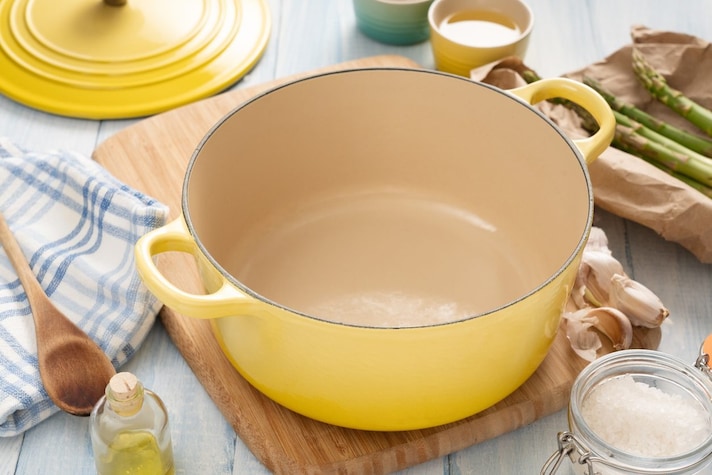
Ceramic is considered an excellent cooking material, appreciated for its non-toxicity and ability to distribute heat evenly. Ideal for low-fat and healthy cooking, it does not release harmful substances and is resistant to high temperatures: ceramic cookware is known for its ability to distribute heat evenly across the entire cooking surface, a feature that allows for even cooking of food, minimizing the risk of hot spots or burning. Furthermore, ceramic is a non-reactive material, meaning that ceramic pans and pots will not absorb odors or flavors from previous foods and are resistant to stains, corrosion, and scratches, making them a durable and easy-to-clean choice. Ceramic pots and pans are also highly versatile, suitable for cooking on high or low heat and for baking, allowing for a wide range of culinary preparations. Just be careful with maintenance: ceramic pans can be more delicate than other types of pans, and are prone to chipping or cracking if handled or cleaned improperly. It's important to treat them with care and avoid using metal utensils that could damage the surface.
9. Glass Pots and Pans
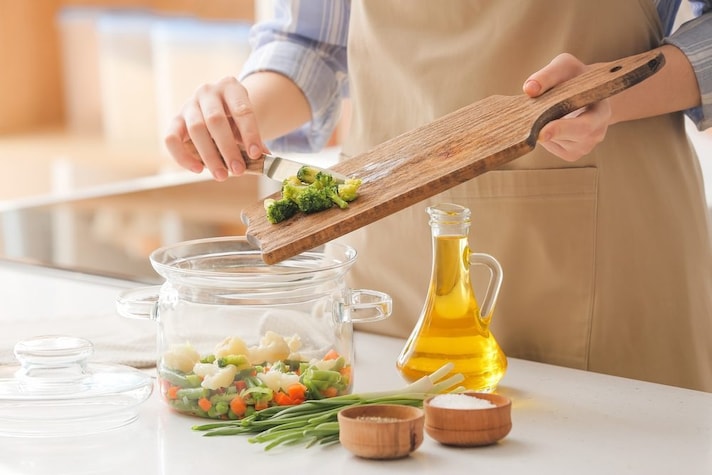
Glass, in general, is a fragile material and poorly resistant to sudden temperature changes. Furthermore, it does not conduct heat well: this limits its use to traditional ovens or microwaves. The glass used in cooking is known commercially as "Pyrex" (borosilicate or heat-resistant tempered glass) and is the ideal glass for contact with food because it possesses chemical inertness, transparency, and greater heat resistance, allowing the cookware to be used for cooking, albeit to a limited extent. Elegant and transparent glass cookware is loved by many for its aesthetic appeal and the ability to monitor cooking without lifting the lid.
10. Soapstone Pots and Pans
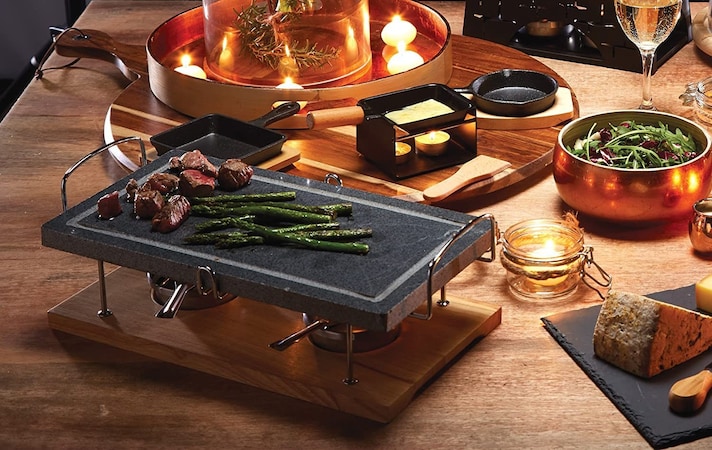
Soapstone is a unique, highly resistant natural element, a metamorphic rock composed largely of talc and magnesite. In the kitchen, soapstone can be very useful: it is resistant to temperature fluctuations and has an excellent heat storage capacity, characteristics that make it ideal for cooking at high temperatures, especially in the oven but also on the stovetop. Cooking is natural and healthy, and the flavor of food is enhanced: unlike other cookware made of other materials, soapstone releases heat gradually and evenly, ensuring tenderness and enhancing the flavors of your dishes, preventing burning. Furthermore, there is no need to use oil or fat to prevent food from sticking to the cookware, allowing for natural and healthy cooking. The soapstone griddle is ideal for cooking pizza and flatbreads, pans (and even the griddle itself) are perfect for cooking meat, fish, and vegetables, while pots are excellent for slow-cooking stews and braises. Unfortunately, it has several disadvantages, including taking a long time to heat up and cool down and being heavier and more expensive than pots made of other materials.
Mistakes to Avoid When Choosing and Storing Pots and Pans
You'll have understood how important it is not to choose pots and pans randomly: first, always consider how you'll use them, and then also consider how easy the material is to clean and maintain, as well as the cost, which depends on your budget. Furthermore, always remember to:
- check compatibility with your hob (for example, induction hobs require pots and pans with magnetic bottoms);
- always check the quality of the non-stick coating to ensure that they are PFOA/PFAS-free products;
- Don't underestimate the thickness of the bottom and always choose pots and pans that have a thick bottom, because a thin bottom causes uneven cooking and burnt food;
- Don't overlook the quality of the handle, even if it seems like an insignificant detail, because weak handles or ones that get too hot make the pan dangerous or unusable.
Once you've purchased the right cookware, you also need to know how to make it last. As we've explained, each material has its own specific way of being treated to ensure it lasts as long as possible under ideal conditions. Some require less maintenance, while others are more delicate and require greater care. However, there are some general rules that apply to any type of pot or pan, regardless of the material they're made of. The first and most important rule is to avoid thermal shock, for example, placing boiling-hot cookware under cold water. When exposed to a cold liquid, the hot surfaces react immediately, while the inner layers aren't able to do so in time. This causes the materials to undergo excessive thermal shock, resulting in the pan deteriorating more quickly.
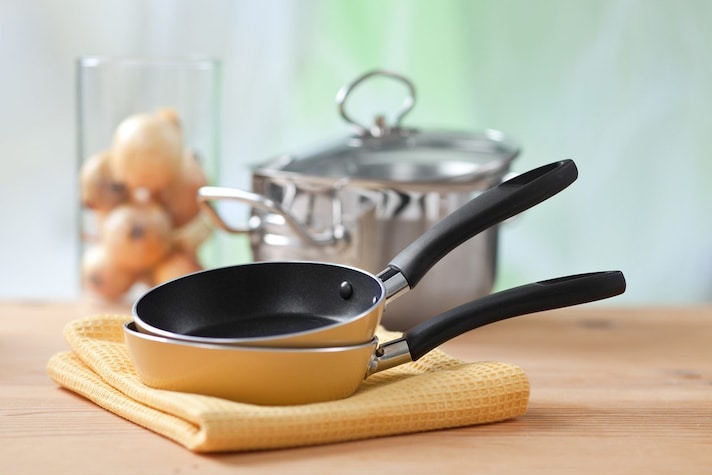
To make pots and pans last longer, it's also essential not to overheat them while empty. True, some recipes (such as a tasty steak) require them to be very hot, but not excessively so to properly heat the pan. Don't leave pots and pans on high heat for too long: it's fine to heat them, but only at a moderate heat. If they start to smoke without containing any food, it's a sign you're ruining them irreparably. Always choose wooden, silicone, or plastic utensils and avoid metal utensils as much as possible: only aluminum, stainless steel, and iron tolerate them well; all other materials are sensitive and risk being scratched.
Washing pots and pans is particularly important for their preservation. Remember that the dishwasher, while convenient, puts a lot of stress on the materials due to the high temperatures, steam drying, and humid environment: prefer hand washing when possible, even for dishwasher-safe dishes like stainless steel. In all other cases, including non-stick dishes (which are usually suitable, but the coating can deteriorate over time), hand washing with sponges and delicate products is preferable to avoid scratches and corrosion. Finally, pay attention to how you store pots and pans, as this also affects their preservation: when you stack them, the prolonged weight can warp them over time. Ideally, you should hang them—there are very creative kitchen racks that can solve the problem of small spaces, as well as being decorative if they're particularly attractive—and if you must stack them, don't force them together, and protect the inside bottom of the pan with a paper towel to prevent scratches.
;Resize,width=767;)
