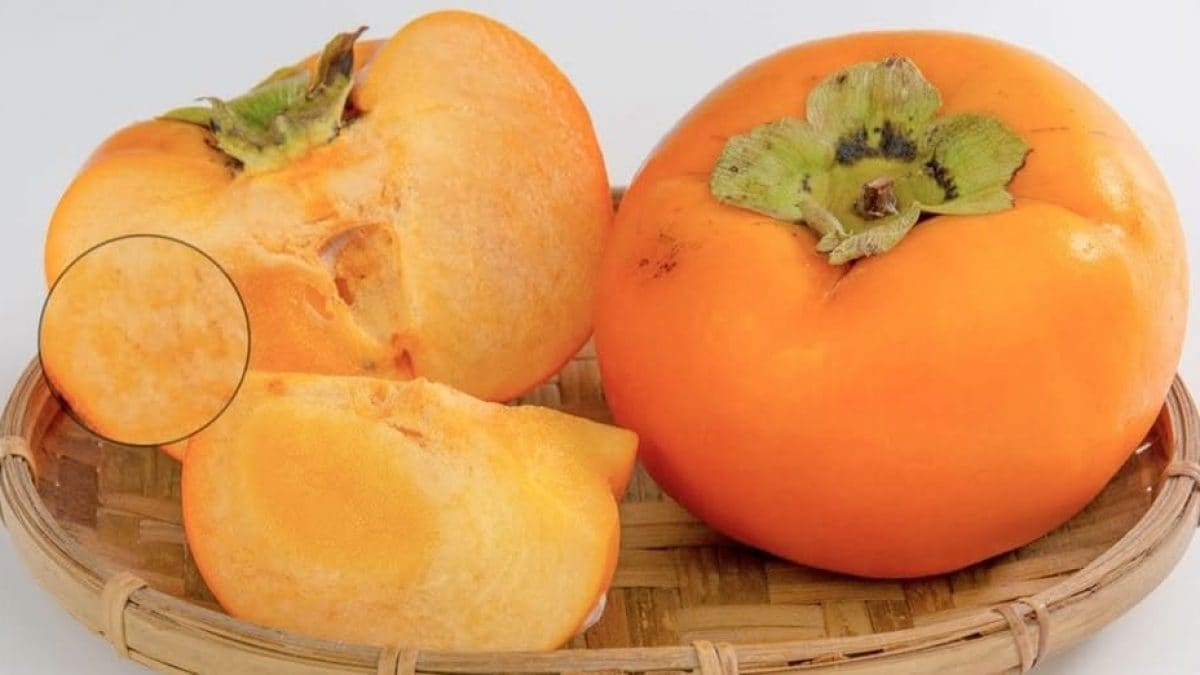
Persimmons (Diospyros kaki) are one of the iconic fruits of the autumn and winter months, with a distinctive flavor and texture: depending on the variety and degree of ripeness, their pulp can have different consistencies and levels of sweetness. Furthermore, the presence of tannins, natural substances that give the fruit an astringent flavor, can vary significantly from one fruit to another, creating a "sticky" sensation. But how can you choose the best ones, identifying the right degree of ripeness?
How to Choose Ripe Persimmons
During the autumn and winter months, supermarket and market stalls are crowded with persimmons of varying intensity. But how do you choose the best fruit, at the right stage of ripeness? Here are some details to pay attention to.
- Color. A ripe persimmon has a deep orange, almost reddish color. Avoid those with green or brown spots.
- Touch. The pulp should be soft to the touch, almost yielding to pressure.
- Stalk. The stalk should be slightly dry and easily detached from the fruit.
As for texture, keep in mind that some persimmon varieties remain very firm, even when fully ripe: these tannins give the fruit a slightly astringent flavor and a firmer pulp. A classic example is the apple persimmon, a variety with an apple-like shape and crisp, white flesh: even when ripe, the flesh remains quite firm and has a sweet, slightly tart flavor. Another type is the "Tipo" persimmon, a variety that has an elongated shape and orange peel.

Why Are Persimmons Picked Prematurely?
Harvesting persimmons early, though it may seem counterintuitive, is a common practice for several reasons. First, many persimmon varieties don't fully ripen on the tree: if left too long, they may rot or fall to the ground before reaching the right consistency and sweetness. Late frosts or heavy rains can also damage ripe fruit, compromising its quality: by harvesting them early, they protect themselves from these weather events.
When persimmons are still slightly unripe, they are easier to harvest and less delicate: this allows for more efficient harvesting and reduces losses. When harvested unripe, persimmons can be ripened in a controlled manner in the warehouse, ensuring consistent market availability and uniform fruit quality.
How does ripening occur after harvest? The persimmons, picked unripe, are placed in controlled environments, where temperature and humidity are regulated to promote ripening. During this process, the fruits release ethylene, a natural hormone that accelerates ripening and converts starch into sugars, making the fruit sweeter and softer.

Why Do Some Persimmons "Stick"?
Astringency , or a "sticky" sensation in the mouth, is caused by tannins, substances abundantly present in persimmons and all orange and red products. This sensation is more pronounced in immature fruits or in some specific varieties of persimmons. As they ripen, the tannin level naturally decreases and the flavor becomes sweeter. If you've purchased persimmons with this characteristic, you can apply a few small measures to reduce their astringency:
- Ripening. Leave the persimmons to ripen at room temperature, in a cool, dry place: as they ripen, the tannin level decreases and the flavor becomes sweeter.
- Freezing. If you have very astringent persimmons, you can freeze them for a few hours: the cold, in fact, helps reduce their astringency.
;Resize,width=767;)
