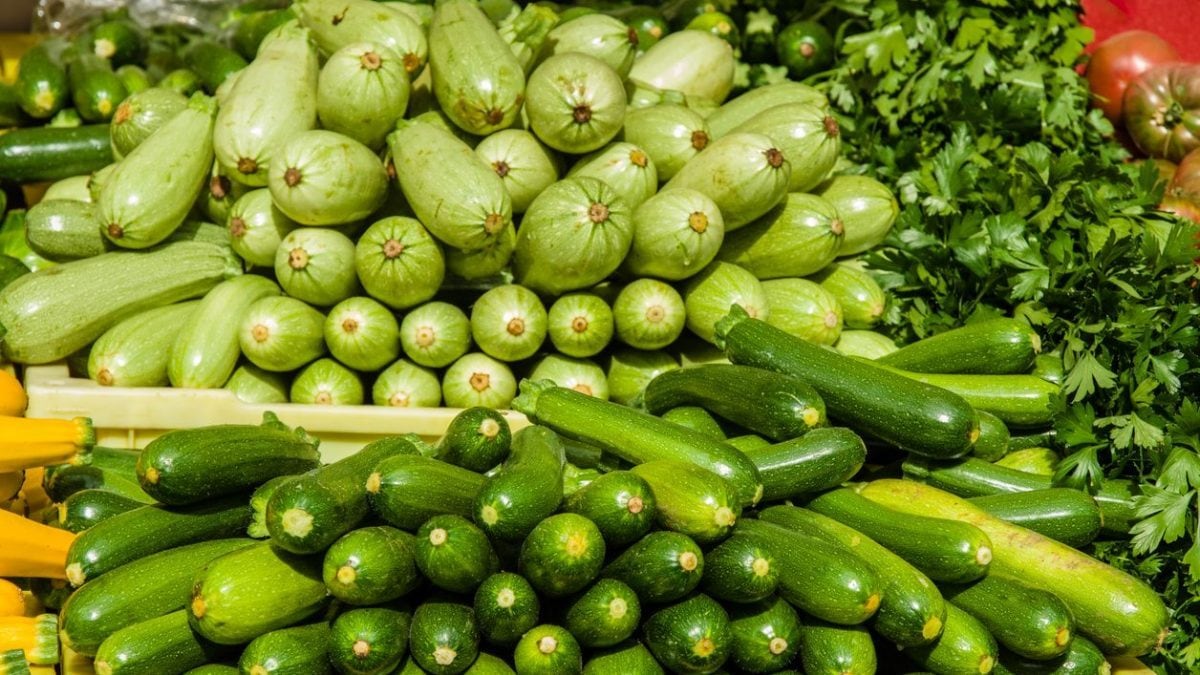
Zucchini are among the most versatile vegetables in summer cooking, but to get the most out of every recipe, it's important to choose them carefully. It's not enough to simply check whether they're fresh: size, variety, and degree of ripeness can affect their texture, flavor, and cooking performance. Some zucchini are particularly well-suited to baking thanks to their firmer flesh, others are ideal for eating raw, while the meatier varieties are often preferred for grilling, stuffing, and side dishes. Knowing these differences allows you to make the most of each vegetable and achieve more satisfying results in the kitchen.
Before purchasing them, therefore, it's useful to observe some details that help you recognize the best specimens and identify the type best suited to the dish you want to prepare. Here are the characteristics of zucchini to evaluate and how to navigate the different varieties available based on the recipes you want to make.
What to Look For When Choosing Zucchini
When purchasing zucchini, it's important to observe certain details that allow you to evaluate their freshness, ripeness, and quality: a vegetable harvested at the right time and stored correctly will have a more pleasant texture, a more delicate flavor, and will offer better results in the kitchen.
- Examine the skin. The skin should appear smooth, shiny, and even, without any obvious dents, cuts, or stains; dull, wrinkled, or marked zucchini may have been harvested several days ago or have been stored poorly.
- Check the texture. A good zucchini should be firm and compact: when pressed lightly with your fingers, it shouldn't feel soft or yielding; soft spots may indicate a loss of freshness or the beginning of spoilage.
- Look at the stem. The stem is a good indicator of the condition of the vegetable: it should still be green, firm, and firmly attached to the fruit; a dry or yellowed stem may indicate an older harvest.
- Evaluate the weight. For the same size, it's best to choose zucchini that are heavy: this generally indicates a good amount of water in the pulp and greater freshness.
- Choose small to medium sized zucchini. Large zucchini tend to have more seeds and less firm flesh; medium to small zucchini are often more tender, flavorful, and versatile in the kitchen.
- Avoid overripe specimens. Overly mature zucchini may have more visible seeds and a less pleasant texture. For most preparations, it's best to choose young, firm vegetables.
How to Choose Zucchini According to The Dish You're Making
Once you've verified the freshness, it's helpful to choose the variety best suited to the dish you intend to make. The differences between the different types may seem minimal, but they impact the final result.
1. For Grilling

Romanesco zucchini, recognizable by their slightly ribbed shape and mottled light green color, are particularly suitable for grilling. They maintain a good consistency during cooking and develop an intense flavor without becoming mushy.
2. For Pasta Dishes

The classic dark green zucchini are versatile and lend themselves very well to pan-fried preparations: cut into rounds or cubes, they cook quickly and maintain a good balance between softness and consistency.
3. For Stuffing

Round zucchini are the ideal choice for stuffed recipes: their regular shape allows you to easily scoop out the pulp and obtain a perfect natural container for holding fillings based on meat, fish, cereals or cheeses.
4. For Soups and Cream Soups

The lighter, more tender varieties are particularly suitable for creamy and velvety soups. Their delicate flesh allows for smooth, balanced-flavored preparations without the need for numerous additional ingredients.
5. For Raw Consumption

Early-harvested zucchini are best eaten raw in salads or sliced into carpaccio. They have few seeds, a crunchy texture, and a delicate flavor that pairs easily with citrus fruits, fresh cheeses, and aromatic herbs.
6. For Frying

For a dry, crispy fry, it's best to choose firm, not too watery zucchini. Romanesco and classic green zucchini are generally the best because they maintain their structure well during cooking.
7. For Baked Side Dishes

Baking allows you to use practically all the most popular varieties. In any case, we suggest using Romanesco, which offer a meatier texture, or the classic green ones, which guarantee good versatility and a balanced flavor.
8. For Omelettes and Savory Pies

When making savory pies that require eggs, cheese, or dough, it's best to use young, thinly sliced zucchini. This way, they release less liquid during cooking and contribute to a firmer texture in the final dish.
9. For Colorful Dishes and Delicate Preparations

Yellow zucchini are distinguished by their slightly sweeter and more delicate flavor than green ones. They're excellent sautéed, grilled, or used raw in salads, where they add a pop of color, as well as in more dramatic dishes, such as risotto. They maintain a good consistency when cooked and pair well with fish, fresh cheeses, and aromatic herbs.
;Resize,width=767;)
