Since its introduction in American homes in the 1920s and 30s, dishwashers have become one of the most common household appliances. And it's no coincidence: their practicality makes them invaluable, as they help ease the burden of washing dishes, cutlery, pots and pans after every meal, saving you the hassle of having to wash everything by hand. Like all appliances, to function optimally and last a long time, they require not only constant maintenance but also a certain amount of care when it comes to cleaning. Precisely because they handle food-soiled items, and because of the high temperatures at which they are washed, the dishwasher risks becoming a breeding ground for bacteria, mold, and unpleasant odors. This is why it's essential to take proper care of it, and even better if you use natural methods instead of traditional chemical products. Here are the most useful and effective eco-friendly methods to keep your dishwasher sparkling inside and out.

Cleaning the Outside of The Dishwasher
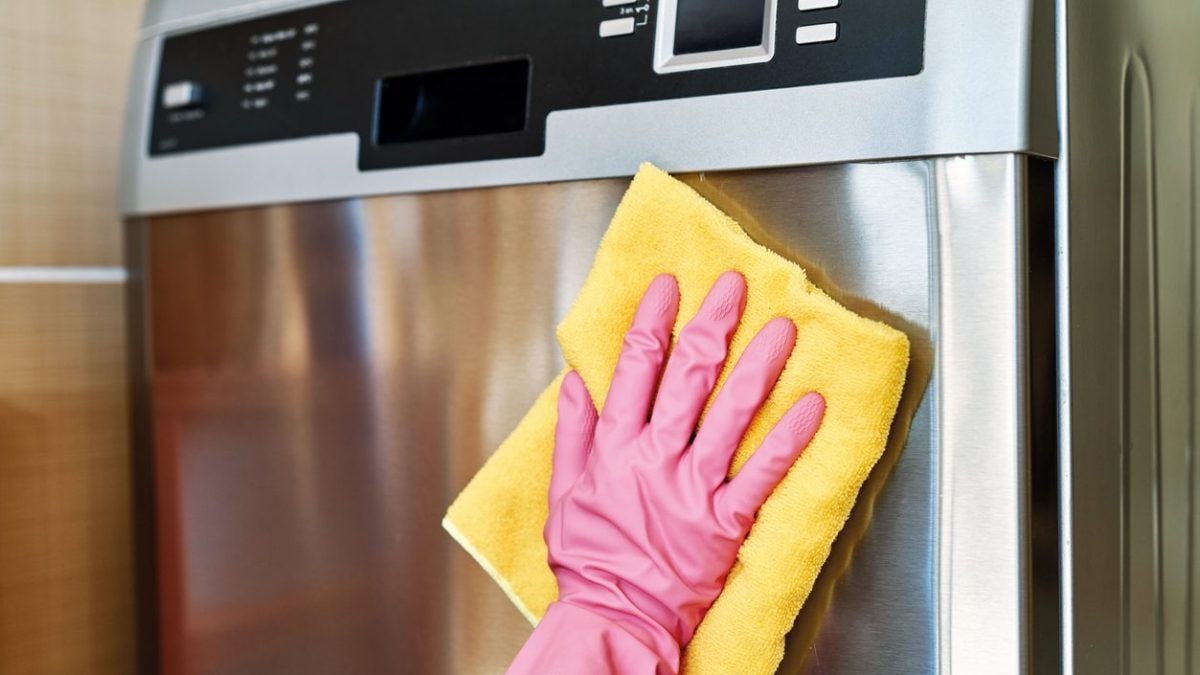
First of all, it's important to remember the outside of the appliance: while it's true that the inside tends to get dirtier, since it's usually exposed in the kitchen, the dishwasher's casing also needs proper cleaning. To keep your dishwasher sparkling clean and free of stains, you can use a cloth soaked in warm water mixed with white vinegar or lemon juice, both natural products with powerful cleaning and disinfecting properties. It's recommended to wipe it down once a day, and if your dishwasher isn't built-in, try to clean the corners and sides once a week where dust and dirt can accumulate. These aren't just unsightly, but could also damage the appliance's performance.
How to Clean the Inside of a Dishwasher
Internal cleaning is a fundamental part of maintaining your dishwasher, both for efficiency and longevity. There are different types of cleaning you can perform and at different frequencies, but in any case, your essential ingredients are three: vinegar, lemon, and baking soda, all three products with strong sanitizing properties, as well as excellent odor eliminators. Baking soda, for example, degreases completely naturally and absorbs bad odors very effectively, so it's a good habit for daily cleaning to add a teaspoon of it to each wash cycle.

Once a month, it's a good idea to do a more intensive cleaning. To do this, run a short "empty" cycle, meaning with nothing inside the appliance but at the highest temperature. In this case, your most valuable ally is white wine vinegar, a great ally for general household cleaning because it sanitizes, degreases, removes limescale, and makes surfaces shine. Pour a liter of vinegar into the dishwasher and run the cycle at high heat. And if you want to be even more sure of eliminating germs, limescale, and any type of residue, you can add lemon juice to the vinegar, another powerful natural sanitizer. Also, once or twice a month, remember to thoroughly clean the appliance's rotating arms, where food residue can stick and cause unpleasant odors. If necessary, use vinegar or lemon mixed with hot water and scrub with an old toothbrush.
How to Clean the Filters
Once a week, you should clean your dishwasher filters. These are areas where residues can easily accumulate, not only causing unpleasant odors but also clogging the filter, compromising its functionality and potentially causing a clog. How do you clean the filters? First, remove them, then soak them in a solution of boiling water and vinegar or boiling water and lemon juice for about 10 minutes. If you notice that the holes are clogged, gently pry them out with a toothpick, then dry with a cloth and reassemble the filter.

Helpful Tips for Your Dishwasher Maintenance
Thoroughly cleaning every part of your dishwasher is essential, but it's of little use if you don't remember to perform a series of daily tasks that allow the appliance to operate at its full potential. For proper basic dishwasher maintenance, you should:
- do not place items inside that are not suitable for washing in the dishwasher so as not to risk compromising its functioning;
- don't leave it unused for too long because it can grow mold, so if it's not used much, run it through an empty wash cycle at least once a month;
- After washing, leave the main door ajar so that the inside dries thoroughly and does not create humidity or create unpleasant odors;
- Always remember to do a visual check before and after each wash to ensure that no food residue has remained.

;Resize,width=767;)
