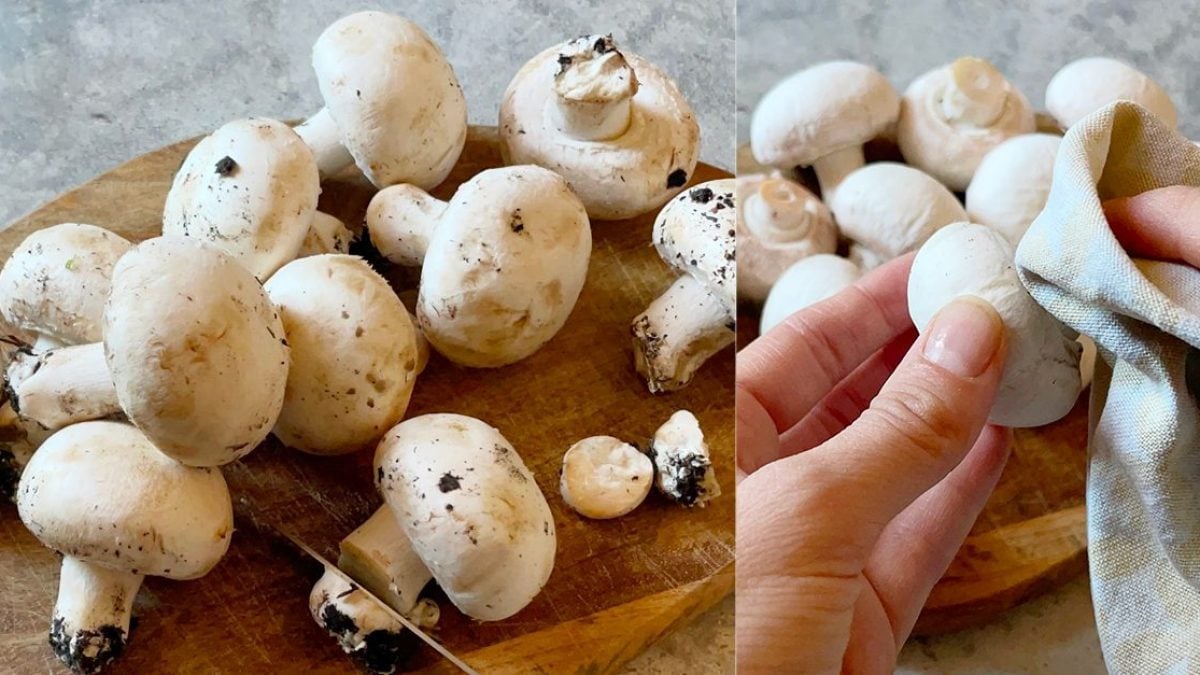
Mushrooms are a small miracle of nature: so flavorful, fleshy, versatile, and packed with benefits. Whether you buy them at the supermarket, at the market, or go foraging in the woods, you'll always need to clean them thoroughly before using them in the kitchen, especially if you do the latter. Many people think it's a difficult task, but it's not. Cleaning mushrooms properly is actually a simple process, as long as you have the right tools and keep a few simple tips in mind. Here's a simple guide on how to clean mushrooms properly before using them in the kitchen.
How to Clean Fresh and Cultivated Mushrooms
Cleaning mushrooms is a crucial step to ensuring a tasty and safe dish. Cleaning methods may vary slightly depending on the type of mushroom, but some general principles apply to all. Why is it important to clean mushrooms thoroughly? To remove soil and impurities, to eliminate inedible parts, and to prevent the growth of bacteria. Thorough cleaning helps prevent the growth of bacteria that could cause food poisoning.

Here's how to clean mushrooms:
- Brushing. The first thing to do is gently brush the mushrooms with a soft brush to remove any soil and surface impurities.
- Cutting. Cut off the lower part of the stem, where soil is most likely to have accumulated.
- Cleaning the gills. For mushrooms with gills (such as porcini), gently clean the gills with a small brush or damp cloth. Avoid rinsing mushrooms under running water, as they will absorb too much water and lose their flavor.
- Inspection. Carefully examine each mushroom to ensure there are no damaged parts or pests.
As we mentioned, some mushroom varieties require specific cleaning procedures. Here are our tips for best cleaning of button mushrooms, oyster mushrooms, agaric mushrooms, and porcini mushrooms.
1. How to Clean Porcini Mushrooms

Porcini mushrooms are among the easiest to clean. Use a soft brush to remove soil from the cap and stem. Remove the lower part of the stem, which is closest to the ground and potentially soilier. For more mature porcini mushrooms, you can use a small knife to remove the lower tubes, which are spongier. If the porcini is very dirty, you can quickly rinse it under running water, but dry it immediately with a clean cloth: if you can avoid doing so, even better.
2. How to Clean Honey Mushrooms

Start by separating the honey mushrooms from the stem, then use a soft brush to remove any soil and dry leaves. If necessary, cut off the lower part of the stem: if the honey mushrooms are very small, you can leave them whole; if they are larger, you can separate the cap from the stem and gently clean the gills with a damp brush. Caution: honey mushrooms contain a toxin that is only neutralized by prolonged cooking: it is therefore advisable to boil them for at least 10 minutes in plenty of salted water.
3. How to Clean Ovoli Mushrooms

The first step to cleaning ovoli mushrooms is to remove the volva, the white part at the base of the mushroom. Remove it with a sharp knife, then remove the outer part of the cap, which is the earthier part. Cut the ovoli mushroom in half to check the inside: if it is healthy and white, you can proceed with cooking. Watch out for ovoli larvae: this type of mushroom is often infested with larvae. Carefully inspect the inside of the mushroom before cooking it.
4. How to Clean Button Mushrooms

Cleaning button mushrooms is as easy as cleaning porcini mushrooms. Start by removing the stem: separate the cap and clean it with a damp cloth, removing any soil residue. Remove the lower part of the stem. Gently clean the gills with a damp brush.
How to Use Cleaned Mushrooms in The Kitchen
Now that we've cleaned them, what to do with them? Mushrooms can be used to make a wide variety of dishes. Some mushrooms, like button mushrooms, are a bit of a "wildcard," meaning they adapt well to many different recipes, while other types, like ovoli mushrooms, are ideal for some preparations more than others. Let's start with button mushrooms, which are ideal for main dishes, paired for example with sausage, peas, or cured meats like ham, but also as a side dish, simply sautéed in a pan, or as an accompaniment to a hearty stew or a pork or beef escalope. Alternatively, you can preserve them in oil, so you have them available all year round.

Porcini mushrooms are at their best in recipes like risotto or fresh tagliatelle, but they also pair well with polenta, sausage, and flavorful vegetables. They're also excellent in soups, such as pairing them with chestnuts or pumpkin. Porcini mushrooms are often served raw in salads: cooking tends to dull their delicate flavor somewhat (but be careful with portion sizes; it's best not to overdo it). If you want to cook them, you can bake them au gratin, sauté them, or make a creamy soup. Finally, honey mushrooms are perfect for pickling in oil and enjoying year-round: you can also quickly cook them in a pan with a clove of garlic and parsley, or bake them au gratin in the oven.
;Resize,width=767;)
