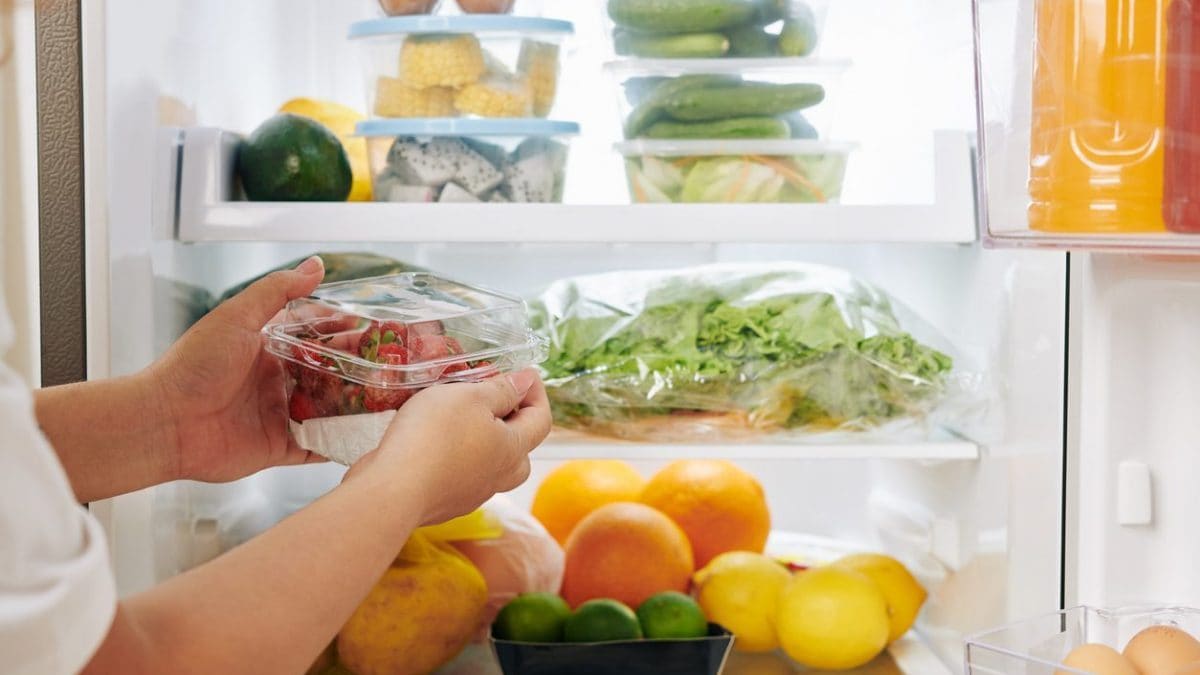
The refrigerator, if used properly, is the best ally for food safety and the best resource for avoiding food waste. But what does using the refrigerator properly mean? It means that, in order to preserve food in the best and longest-lasting way, you need to know how and where to arrange it inside. The appliance is divided into shelves and compartments, but one area is not the same as another. Each area of the refrigerator has an automatically differentiated temperature, based on the different zones, to ensure proper food preservation. So where should you put eggs, cheese, meat, fish, vegetables, butter, and milk? Let's find out how to arrange different foods inside the refrigerator to preserve them properly.
Why It's Important to Arrange Food Correctly in The Refrigerator
Arranging food on the right shelf in the refrigerator, based on the different temperatures of each space, is not just a matter of order but a fundamental practice for two reasons. First, it ensures food safety by properly preserving the freshness of foods, especially those that are more prone to spoilage, such as meat or fish. Storing them at the right temperature means preserving the product's flavor, texture, and nutritional value, but above all, it protects it from the growth of harmful bacteria, which would ultimately compromise the food and force you to throw it away.
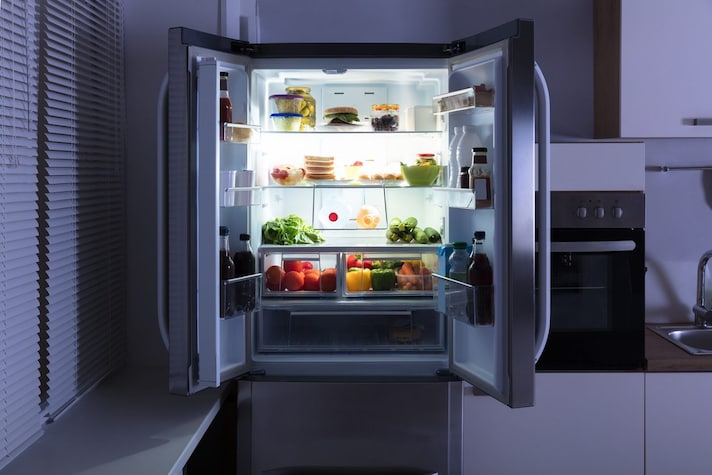
This also translates into reduced waste: taking advantage of different temperature zones (colder at the bottom, warmer at the top) to optimally preserve meat, fish, fruit, vegetables, and dairy products allows you to extend the shelf life of your food, reducing the amount of unused food that ends up in the garbage. Finally, properly organizing your refrigerator also translates into energy savings on your bills, because a well-organized and under-packed refrigerator allows air to circulate properly, not only maintaining a uniform temperature but also preventing the appliance from consuming more power in an attempt to function properly.
How the Refrigerator's Shelves Work
The refrigerator is structured so that each zone inside has a different type of temperature: the cold from the cooling system sinks downward and accumulates in the lower zones, while the upper zones and the door are warmer, creating different temperature zones suitable for different foods. A properly functioning refrigerator should have an internal temperature of 39-41°F/4–5°C in the central zone, with a variable temperature between 35/2 and 50°F/10°C depending on the different zones. The lower part of the refrigerator is always the coldest, except for the drawer, the side area, and therefore the shelves on the door, which are the warmest areas, while in the central part the temperature is constant. Food should therefore be placed in the compartments according to their specific storage needs.
How to Arrange Various Foods Correctly
Let's now look at where to store different foods in the refrigerator, dividing it into sections to best preserve each item, from the top shelf to the drawers. And, if you still have any questions, you can consult the USDA's handbook on refrigerator safety and the best way to arrange food inside.
High Shelf
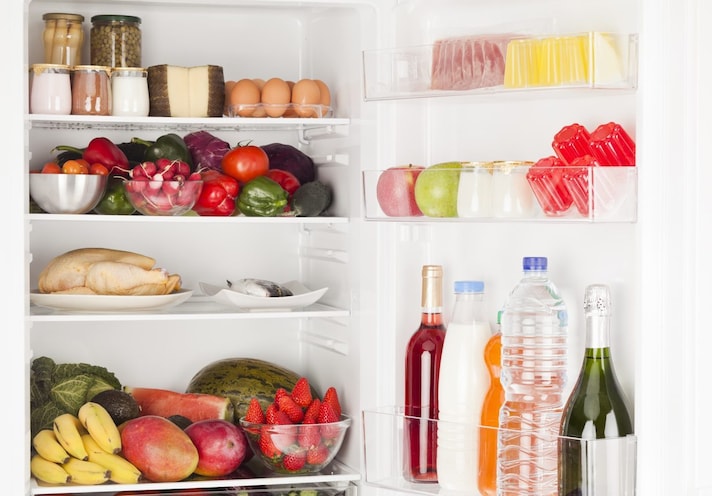
The top shelf of the refrigerator is the least cold: in this area, where the temperature can vary from 41°F/5°C to 46°F/8°C, you should store jams, pickled vegetables, yogurt, cooked foods, and closed or open cans. Eggs should also be stored on the top shelf of the refrigerator, inside their packaging.
Central Shelf
The middle shelf has a temperature range of 39°F/4°C to 46°F/8°C, and is ideal for storing opened packages of dairy products and cheeses, cold cuts, stews and soups, pasta and cooked meat, and various leftovers, including sauces and gravies. You can therefore store all those products that require refrigeration immediately after opening on the middle shelf: it would be better to also place opened milk here, because the temperature is lower than that of the door.
Lower Shelf
The bottom shelf is the coldest part of the refrigerator, ranging from 2 to 5°C (36 to 41°F): it's the shelf above the vegetable drawer. It's the ideal place to store raw meat, chicken, and fresh fish, preventing them from dripping onto other foods. It's generally ideal for raw foods, but remember that it's safest to remove the original packaging and store them in a suitable plastic bag, as supermarket packaging is often not airtight and can allow air and bacteria to enter. Liquids can also leak and contaminate other foods.
Drawers
The drawers, although located at the bottom of the refrigerator, have a slightly higher temperature than the lowest shelf (between 39/4 and 42°F/6°C), especially at the back. They are reserved for fresh fruit and raw vegetables, foods that cannot be refrigerated to avoid damaging their appearance, texture, or flavor. Before placing them in the drawers, they should be wrapped in absorbent paper or in paper food bags to prevent humidity and condensation from forming, conditions that cause vegetables to spoil quickly. Remember that some foods don't need to be refrigerated and could even suffer negative consequences in terms of flavor, healthiness, and/or properties, possibly contaminating the rest of the foods stored inside the various compartments.
Door
The compartments inside the refrigerator door have a temperature between 41°F/5°C and 50°F/10°C, and are ideal for storing wine, water, and fruit juices. The refrigerator door can therefore be used to store soft drinks in general, as well as any other foods that require light refrigeration.
The Most Common Mistakes To Avoid
Even with the best intentions, it's easy to make mistakes when organizing your refrigerator that can compromise food freshness and safety. Here's a summary of some of the most common mistakes and how to avoid them:
- Overcrowding the refrigerator: Overcrowding the refrigerator hinders the circulation of cold air, which is essential for maintaining a uniform temperature, and can lead to the formation of hot spots that accelerate food spoilage and increase the risk of contamination. To avoid this, leave enough space between foods to allow for good air circulation and consider using modular containers to optimize space without overcrowding the refrigerator.
- Not maintaining ideal temperatures: Another common mistake is not checking the refrigerator temperature regularly. The temperature should be maintained consistently between 33°F/1°C and 39°F/4°C to prevent the growth of harmful bacteria. If the temperature is too high, foods are at risk of spoiling more quickly; if it's too low, some foods may freeze, altering their flavor and texture. Use a thermometer to monitor the temperature and adjust the thermostat if necessary.
- Ignoring expiration dates and the FIFO (first in, first out) principle: Ignoring food expiration dates or not applying the FIFO (first in, first out) principle (to prevent spoilage before use) easily leads to food waste. Organizing your refrigerator so that older items are placed at the front and easily accessible, while newer items are placed at the back, helps reduce this waste.
- Leaning food against the back wall of the refrigerator: not only is the cold there much more intense and risks damaging the food by freezing it, but suffocating the wall where the coil is located with food interferes with the proper circulation of cold air, increasing the risk of ice or condensation forming.
- Refrigerate hot foods: Cooked foods should always be cooled before being placed in the refrigerator, as their heat would cause a sudden change in internal temperature (if not an actual increase), compromising the preservation of everything you have stored in the appliance.
Good Habits to Keep Your Refrigerator at Its Best
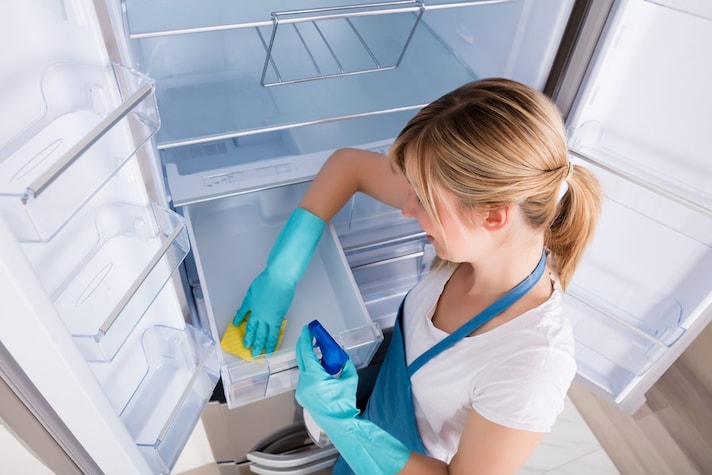
In addition to paying attention to how you store food, there are a number of good habits to keep in mind to keep your refrigerator in the best possible condition and, consequently, to allow it to function optimally. The first and most important is regular cleaning: neglecting it can negatively impact the refrigerator's efficiency and food preservation, as uncleaned food residues and spills can become a breeding ground for bacteria and mold. It's advisable to clean the refrigerator at least once a month (the vegetable drawer more often) and immediately after any spills, using specific products or equally effective natural methods.
It's also a good idea to thaw your refrigerator occasionally, about once or twice a year if you see a layer of ice thicker than 3-5 mm. This is important because excess ice acts as an insulator, reducing cooling efficiency, increasing energy consumption by up to 20% or more, and compromising the proper preservation of food, which risks spoilage. Defrosting your refrigerator is a lengthy but not difficult process: all you have to do is empty it, turn it off, wait for the ice to melt naturally (don't force it or, worse, scrape it, as you could break the heating coil behind the walls), and then dry and clean each compartment thoroughly before turning the appliance back on.
As we mentioned, always remember to check product expiration dates so you can consume them before they spoil, which could lead to waste and, more importantly, contamination of other foods stored in the refrigerator. Optimize your organization by using clean, airtight containers: they take up less space and are safer to avoid cross-contamination in the event of spoilage. Just remember to mark the product's expiration date on the container to ensure it is consumed within the specified timeframe.

