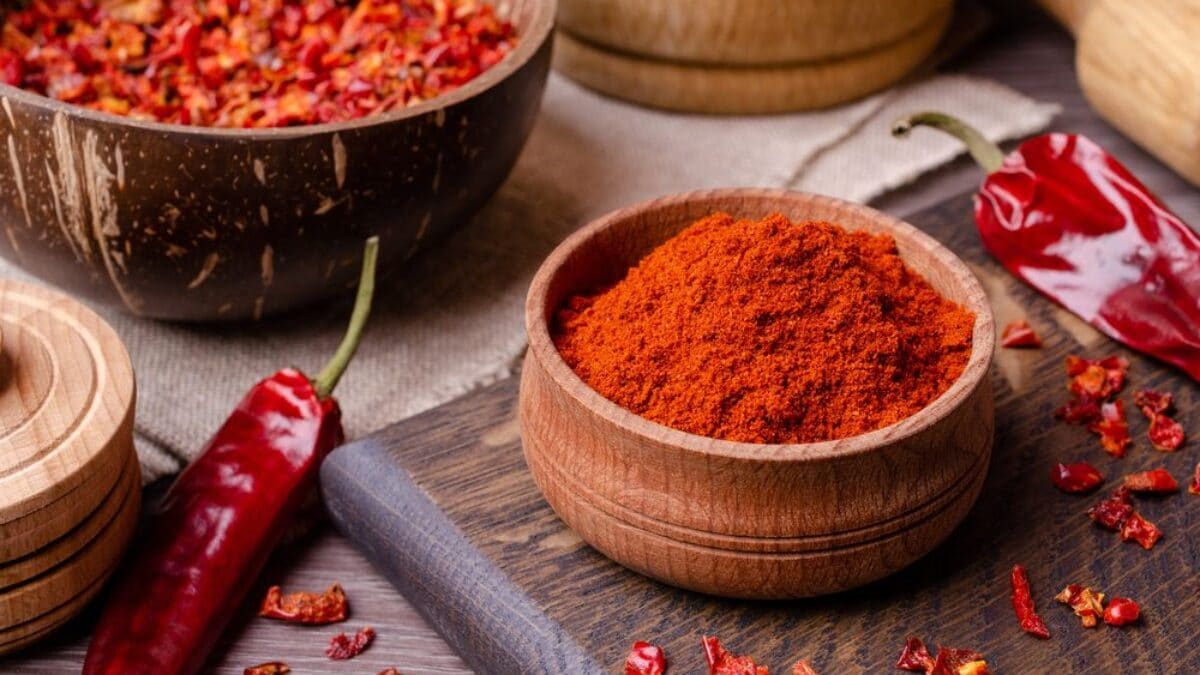
Chili pepper is the berry of the plant of the same name belonging to the Capsicum genus, a product known since ancient times not only for its culinary potential, but also for its many properties. In fact, chili pepper powder was historically used to help preserve food by exploiting the properties of capsaicin: the substance responsible for the characteristic spiciness has strong antimicrobial properties. In short, before refrigerators, chili pepper powder slowed the deterioration of foods exposed to heat, and also served to mask the taste of foods that were not fresh or had deteriorated over time.
Even today, in our modern kitchens, chili powder is a very useful item to always have in the pantry. We no longer use it to preserve food, but it's an ideal spice for enhancing dishes with its distinctive, spicy flavor. It's also a good way to preserve chili peppers, which, if fresh, last about a week at room temperature or in the refrigerator's crisper drawer. Chili powder can be purchased ready-made, but it's also very easy to make at home: just dry the chili peppers you've purchased properly. How do you do it? We'll explain.
How to Dry Chili Peppers So You Always Have Powder in Your Pantry
When drying chili peppers, before even choosing your preferred technique, you need to follow two fundamental precautions. First, try not to damage their membranes, so as to preserve their spiciness. Contrary to popular belief, it's not the seeds that contain capsaicin, the substance that makes chili peppers "hot," but rather the internal membrane of the chili pepper. The second precaution is to wear gloves to protect your skin at every stage of the process, taking care not to touch your eyes, nose, or mouth to avoid coming into contact with the chili pepper's stinging substance.
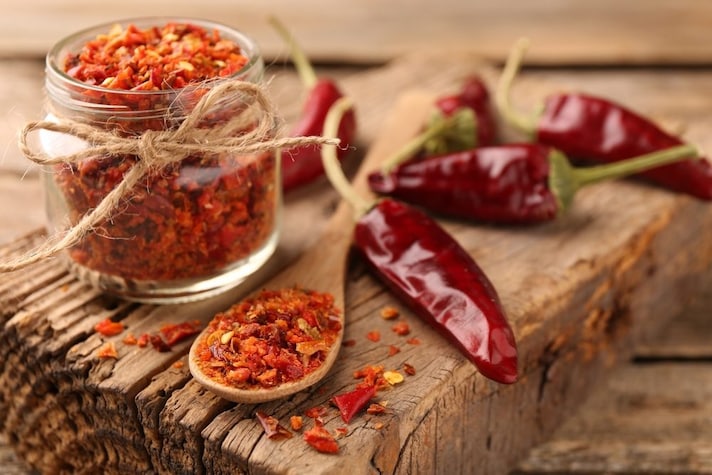
Now you're ready to dry your chili peppers, but how do you do it? Sun-drying is the oldest and most traditional method, as it takes three to five days to dry. If you have a cellar, you can hang the garlands inside. Choose a time when the weather forecast suggests the most sunny days in a row and arrange the chili peppers on a tray or netting, which you can then place in a spot where they'll get maximum sun exposure. Alternatively, you can also tie them together with thread and a needle to create a classic chili pepper garland and hang it up to dry. Always remember to move the chili peppers to a dry, sheltered place before evening, so as to prevent the nighttime humidity from compromising the drying process. If you have a cellar, you can choose to hang the chili garlands to dry inside, as long as it is a moderately cool and low-humidity place: humidity is your worst enemy, in this case, because it will make the chilies mold instead of drying them.
Alternatively, you can also opt for drying in the oven. In this case, you need to preheat it to low (158-175°F/70-80°C), even less if it is a fan oven (104-122°F/40–50°C). In the meantime, clean the peppers to be dried by removing the stems and seeds. Arrange the peppers on a baking tray well spaced apart, with the cut side facing down, and then place the tray in the oven, leaving the door slightly open and waiting for at least 6 hours. In addition to the oven, if you have one available, you can use a dehydrator, a fast and convenient appliance due to the large quantities of peppers it can dry in one go. Drying peppers with this machine takes an average of three hours, although times may vary depending on the power of the appliance and its capacity. With the dehydrator you get an optimal result, because it is the method that best eliminates the water present inside the chili peppers, making them perfectly dehydrated.
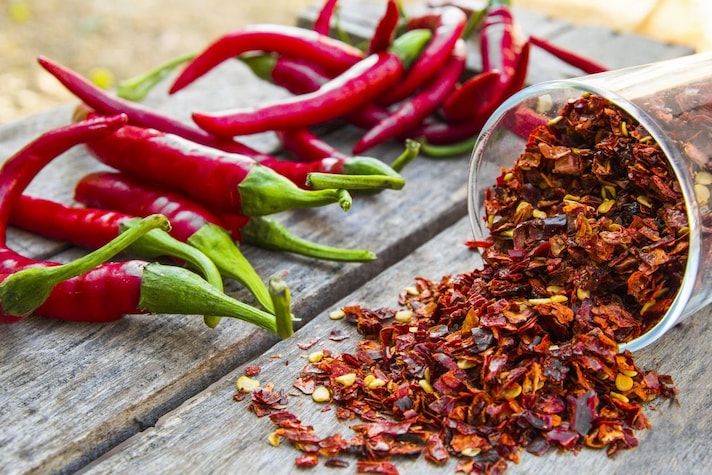
Once your chili peppers are dried, it's time to turn them into powder. It's very easy: just place them in a blender, blend until finely ground, and then transfer the chopped peppers to an airtight jar. You can also grind some of the chili peppers, leaving the coarser grains, to obtain powders with different textures. Store the jar in the pantry, away from heat sources like stovetops and direct sunlight. Remember that, even for powder, humidity is the worst enemy: never place wet or damp spoons in the jar, to avoid lumps or mold.
How to Use Chili Powder
Chili powder is a very powerful seasoning, which you can use both during cooking and at the end of preparation, to give your recipe a boost of flavor. Remember not to overdo it, but to add it gradually, starting with a small amount and adjusting only after tasting the mixture, evaluating the level of spiciness. In which dishes can you use chili powder? It's ideal for mixing into sauces and gravies because it blends well with liquids and condiments, creating an even distribution of spiciness. But it's also ideal for simpler preparations that need a boost of flavor, such as the legendary spaghetti aglio, olio e peperoncino.
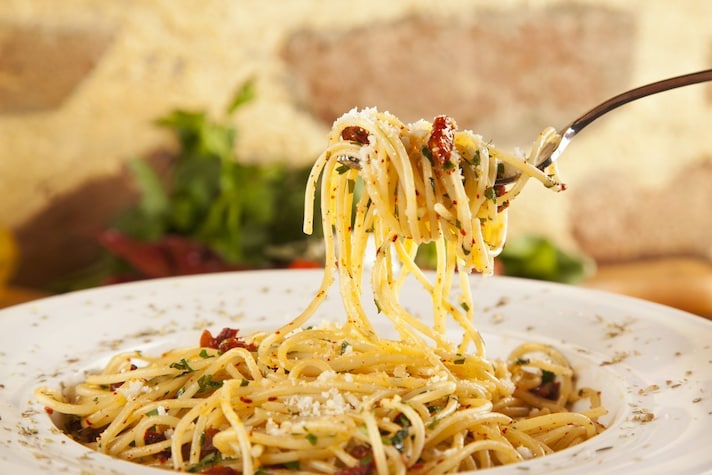
It's perfect for creating marinades for meat, fish, and vegetables before cooking, and can also be added to dough, whether leavened products like bread or pizza, or meats like ground beef, for example, to make spicy meatballs and burgers. You can also use chili powder raw and sprinkle it directly on finished dishes, like pasta, pizza, or soups, to adjust the spiciness at the last minute: in this case, pay even more attention to the dosage.

