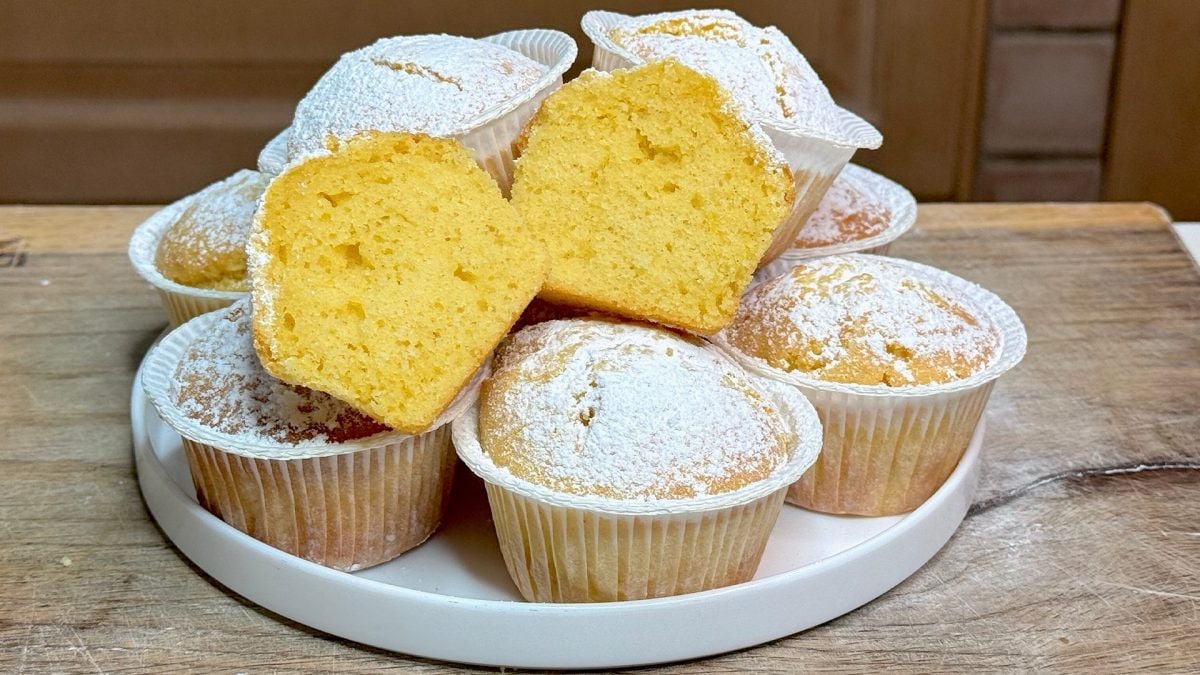
There’s something almost magical about a bakery muffin. The way it rises tall and proud, with that golden, craggy dome that somehow manages to be crisp and soft at the same time. You can spot it from across the coffee shop — a sign of perfect mixing, temperature control, and just the right amount of batter care.
At home, though, muffins don’t always cooperate. They slump. They spread. They come out looking a little too humble. But the truth is, bakery-style muffins aren’t out of reach. With a few smart tweaks, you can get that same sky-high rise and soft, tender crumb from your own oven, no professional bakery gear required. Here’s how to make it happen every single time.
1. Start With a Thick Batter And Don’t Overmix It

One of the biggest differences between bakery muffins and homemade ones is the texture of the batter. Professional bakers know that a thicker batter (almost scoopable, not pourable) helps muffins rise upward instead of spreading sideways. Once your wet and dry ingredients meet, stir gently just until you no longer see dry streaks of flour. It’s okay if the batter looks lumpy; in fact, that’s ideal. Overmixing develops gluten, which leads to dense, rubbery muffins instead of soft, fluffy ones.
2. Rest Your Batter (Yes, Really)

This one’s a bakery secret that’s finally getting its moment in home kitchens. After mixing your batter, let it rest for about 15 to 30 minutes before baking. This gives the flour time to fully hydrate and the leavening a chance to relax, meaning a smoother, taller rise in the oven. If you’ve ever noticed that your second batch of muffins looks taller than the first, that’s why. So next time, make the waiting part of the plan.
3. Crank the Heat, Then Lower It

Bakery ovens often run hotter than home ovens, and that initial blast of heat is what helps muffins get that signature dome. Try this two-step baking method:
- Start at 425°F for the first 5 minutes,
- then lower to 350°F for the remaining bake time.
That early heat jumpstarts the rise, helping the tops puff before the crumb sets. Just don’t skip the temperature drop — it keeps the inside tender and prevents overbrowning.
4. Fill Your Muffin Cups All the Way Up

Here’s where most home bakers fall short: underfilled cups. If you want those bakery-style crowns, fill each muffin cup nearly to the top, about ¾ to even full capacity. That generous portion gives the batter enough volume to rise high and spill slightly over the edges, forming that picture-perfect dome. If you’re worried about overflow, bake only six muffins per pan, spacing them out for better air circulation.
5. Use the Right Fat for Flavor and Texture
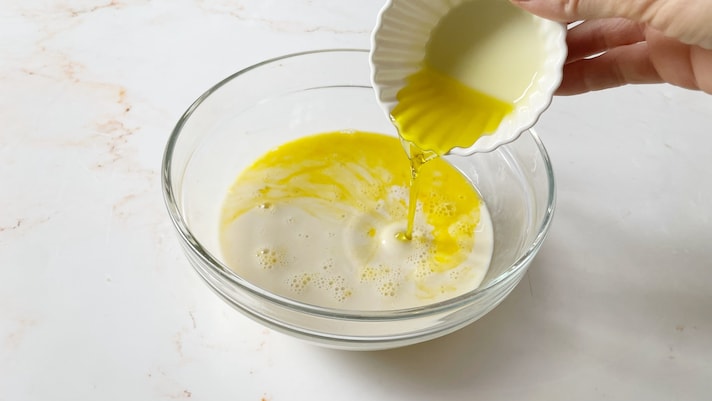
Bakery muffins owe part of their richness to butter — and sometimes oil for moisture balance. Butter adds flavor and structure; oil keeps things soft longer. For the best of both worlds, use a mix: ½ butter, ½ neutral oil (like canola or vegetable). That combination gives you flavor, height, and a tender crumb that stays moist for days.
6. Don’t Skimp on the Sugar

Sugar doesn’t just sweeten; it tenderizes and helps the tops caramelize into that beautiful golden crust. Many “lightened-up” muffin recipes reduce sugar, which is fine, but you won’t get the same texture or shine. If you’re chasing that coffee shop look and feel, stick with the sugar ratio in a classic bakery recipe. The payoff is worth it.
7. Add Texture and Shine

Bakery muffins are never just baked, they’re finished. That’s what makes them look irresistible behind the glass case. Before baking, sprinkle coarse sugar or raw turbinado sugar on top for sparkle and crunch. A handful of oats or chopped nuts adds a rustic look (and a little bite). If you want that extra glossy top, brush the muffins with a bit of melted butter or syrup while still warm.
8. Use Room Temperature Ingredients
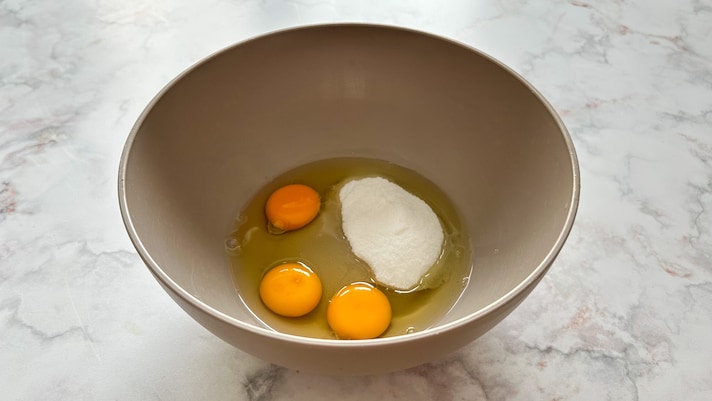
Cold eggs or milk can cause the batter to seize, making it harder for the muffins to rise evenly. Professional bakers always start with room temperature dairy and eggs, which blend more smoothly and trap air better. If you forget to set them out ahead of time, a quick trick: place eggs in warm water for 5 minutes, and microwave milk for 10–15 seconds — problem solved.
9. Don’t Overbake

This is where great muffins go to die. Once the tops are golden and a toothpick comes out mostly clean (a few crumbs are fine), pull them out immediately. Muffins continue to cook from residual heat, so taking them out just shy of “done” ensures a moist crumb. Let them cool in the pan for 5 minutes, then transfer to a rack — this prevents soggy bottoms.
10. Flavor Smart, Not Hard

Bakery-style doesn’t just mean pretty tops; it means balanced flavor. Add mix-ins that complement each other without crowding the batter. Try these combos:
- Blueberry + lemon zest
- Banana + dark chocolate
- Raspberry + almond extract
- Apple + cinnamon sugar
Less is often more: too many add-ins can weigh down the rise.
;Resize,width=767;)
