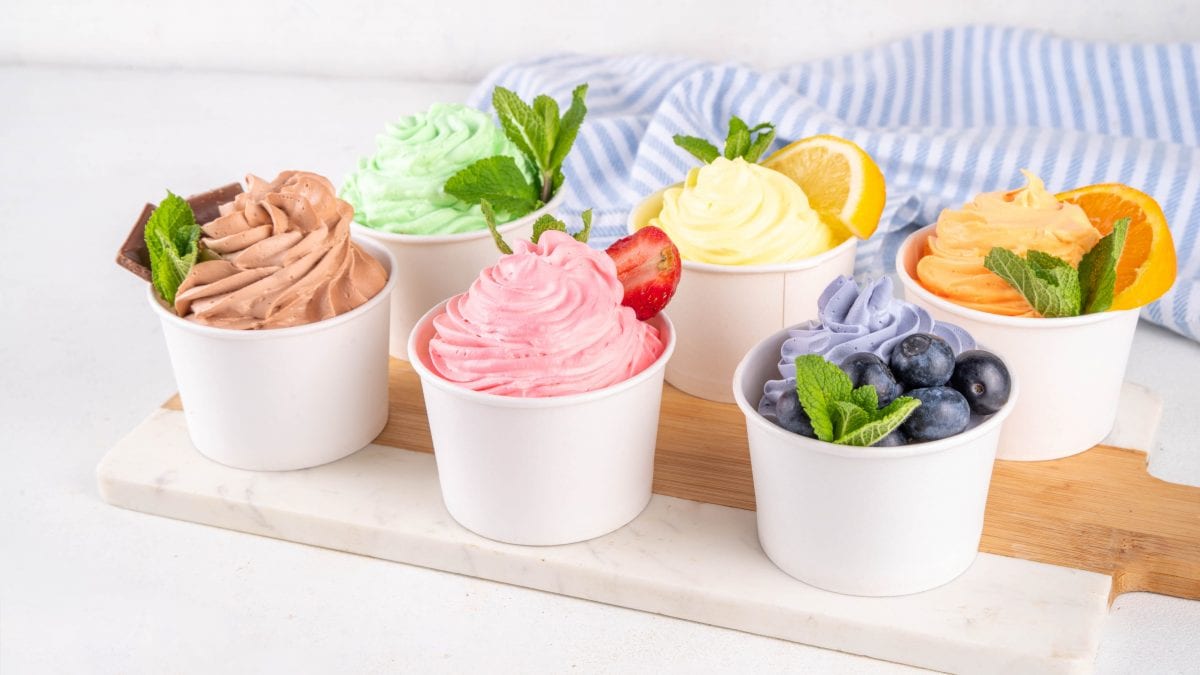
Frozen yogurt sounds like it should be foolproof. After all, yogurt is already creamy, tangy, and cold-adjacent — how hard can freezing it be? And yet, anyone who’s tried making it at home knows the disappointment: icy crystals, chalky texture, or something that freezes into a yogurt-flavored brick. The problem isn’t your freezer. It’s physics — and a few missing steps that separate smooth, scoopable frozen yogurt from the kind that makes you give up and buy a pint instead.
Why Homemade Frozen Yogurt Gets Icy
Frozen yogurt has two built-in challenges: high water content and low fat. Yogurt is mostly water, and when water freezes, it forms ice crystals. The less fat and sugar present, the larger and crunchier those crystals become. Commercial frozen yogurt solves this with stabilizers, emulsifiers, and industrial freezers. At home, you have to rely on smarter ingredient choices and technique.
1. Start With the Right Yogurt
Not all yogurt freezes the same. Low-fat and nonfat yogurts are the most likely to turn icy, because they don’t have enough fat to interfere with ice crystal formation. For the best texture:
- Use whole-milk yogurt
- Greek yogurt works well, but thin it slightly (more on that below)
- Avoid yogurts labeled “fat-free” or “light” if texture matters
Fat doesn’t just add richness, it creates a smoother freeze.

2. Add Sugar (Yes, You Need It)
Sugar isn’t just about sweetness. It lowers the freezing point of the mixture, which keeps frozen yogurt softer and more scoopable. If your frozen yogurt tastes icy or hard, it’s often under-sweetened. Options include:
- Granulated sugar (fully dissolved)
- Honey or maple syrup
- Corn syrup or glucose syrup (especially effective in small amounts)
You don’t need much, but you do need some. Frozen yogurt without enough sugar will always freeze harder than you want.
3. A Little Fat Goes a Long Way
You don’t need to turn frozen yogurt into ice cream, but adding a small amount of fat dramatically improves texture. Try blending in:
- Heavy cream (a few tablespoons per quart)
- Half-and-half
- Full-fat coconut milk for a dairy-free option
This softens the freeze and gives the yogurt a creamier mouthfeel without masking its tang.
4. Thin Greek Yogurt Before Freezing
Greek yogurt is thick because water has been strained out, which is great for flavor, but not always ideal for freezing. Straight Greek yogurt can freeze dense and grainy. Before freezing, loosen it with:
- Milk
- Cream
- Fruit purée
You’re aiming for a texture closer to soft-serve yogurt, not spoon-standing thickness.

5. Use an Ice Cream Maker If You Can
Churning matters. An ice cream maker continuously agitates the mixture as it freezes, breaking up ice crystals before they get big. If you don’t have one, all isn’t lost, but you’ll need to help manually. Freeze the mixture in a shallow container and stir vigorously every 30–45 minutes for the first few hours. It’s not glamorous, but it works.
6. Don’t Skip the Chill Before Freezing
Always chill your yogurt base thoroughly before freezing. Starting cold shortens freezing time, which leads to smaller ice crystals and a smoother final texture. Warm bases freeze slowly. Slow freezing equals iciness.
7. Serve It at the Right Temperature
Homemade frozen yogurt benefits from a short rest. Let it sit at room temperature for 5–10 minutes before scooping. This softens the texture and brings out flavor, the same way you’d treat premium ice cream.
Straight-from-the-freezer frozen yogurt is almost never at its best.

;Resize,width=767;)
