You pull a tray of cookies from the oven, glowing with pride. They’re warm, tender, and chewy — everything you hoped for. Then the next morning, you grab one… and it’s suddenly crisp, dry, and even a little sad. What happened?
Cookies, like bread, lose moisture quickly, and once that moisture escapes, softness goes with it. Fortunately, bakers have long known how to preserve that fresh-from-the-oven texture. Keeping cookies soft isn’t magic; it’s intentional, and a little bit science-y. Here’s how to keep your batches soft for as long as possible — whether you’re prepping for a cookie exchange, holiday spread, or just making sure tomorrow’s breakfast cookie still tastes like a treat.
Store Them Properly (It Matters More Than You Think)
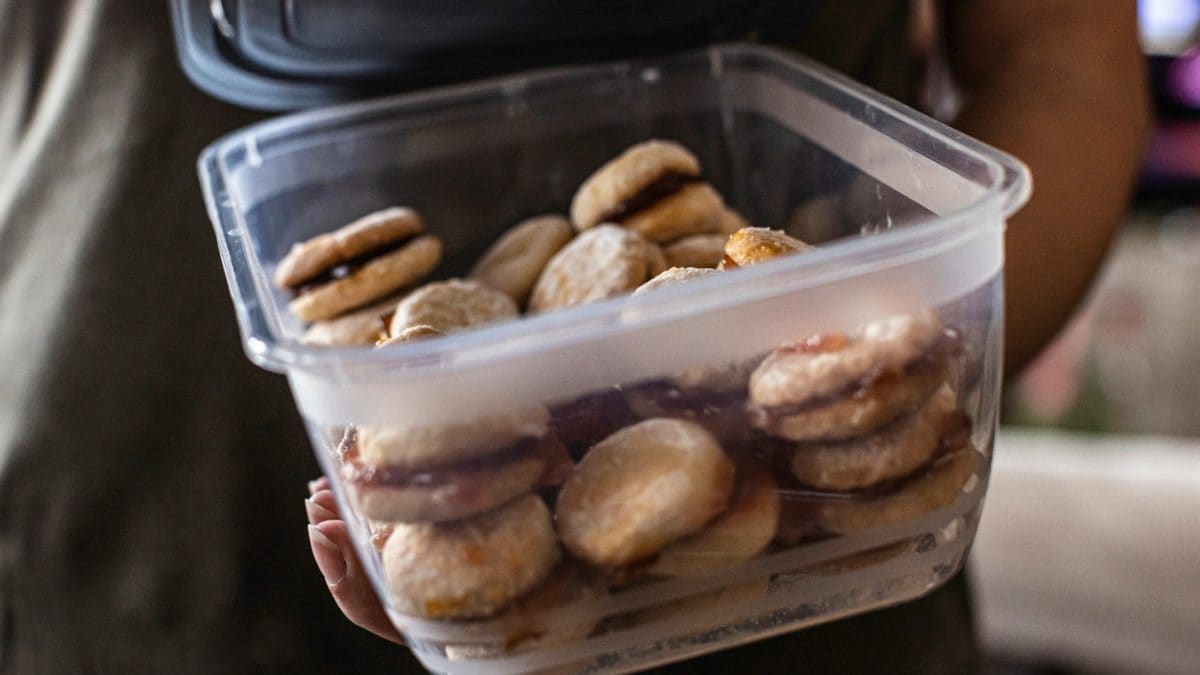
The fastest way to ruin a soft cookie is leaving it out, loosely wrapped, on the counter. Cookies need a sealed environment from the moment they cool. Once they’re completely at room temperature, move them into an airtight container — glass or plastic, either works — to lock in moisture. If you want to get a little extra insurance, place a sheet of parchment between layers to keep them from sticking and breaking apart. A properly sealed container keeps air out and texture in. Skip this step and you’re essentially inviting them to dry out.
Use a Slice of Bread
It sounds ridiculous until you see it in action: placing a slice of white bread inside the cookie container can keep your batch soft for days. The bread slowly releases moisture into the air inside the container, and the cookies absorb that humidity instead of losing their own. And don’t worry — the cookies won’t taste like bread. The bread, however, will become rock-hard, silently sacrificing itself for the greater good. A hero we rarely acknowledge.
Brown Sugar Is Your Friend in the Baking Stage
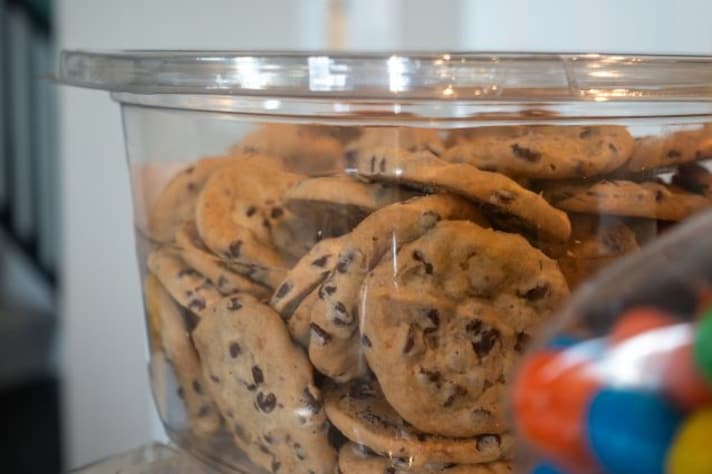
If you haven’t baked your cookies yet, softness starts before the dough even hits the tray. Brown sugar holds more moisture than granulated sugar, thanks to its molasses content. Using it in your recipe, or even swapping part of the white sugar for brown, helps the cookies stay tender for longer. If you love chewy cookies, this little adjustment alone makes a big difference.
Don’t Overbake, Residual Heat Does the Rest
The biggest culprit behind hard cookies? Leaving them in the oven too long. Cookies continue cooking from residual heat even after they come out of the oven, so if they look fully done on the baking sheet, they’re already overbaked. Pull them when the edges are just set and the centers look slightly soft. They’ll finish on the sheet, firm up as they cool, and stay tender much longer.
Store Cookies With Similar Textures Together
Soft and crisp cookies don’t mix. Literally. Put them in the same container and the crisp ones will soften while the soft ones dry out, leaving you with a weird in-between situation that disappoints everyone. Keep soft cookies together, crisp cookies together, and strongly scented cookies (like mint or ginger) separate from anything mild. Cookies pick up each other’s aromas quickly.
Freeze Them If You Need Long-Term Freshness
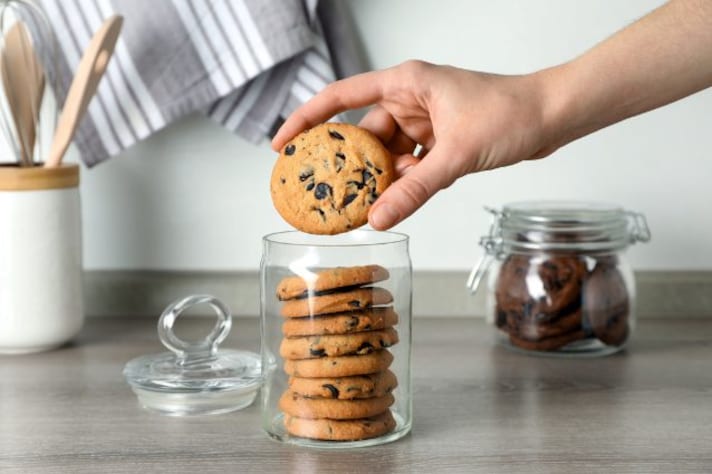
If you’re baking ahead for holidays or want your cookies to last beyond the week, the freezer is your friend. Soft cookies freeze beautifully — just cool them fully, place them in a freezer-safe bag or container, and thaw at room temperature when you’re ready to eat. They’ll keep their texture, their moisture, and their flavor. And if you warm them for 10 seconds in the microwave? They taste like they were baked an hour ago.
;Resize,width=767;)
