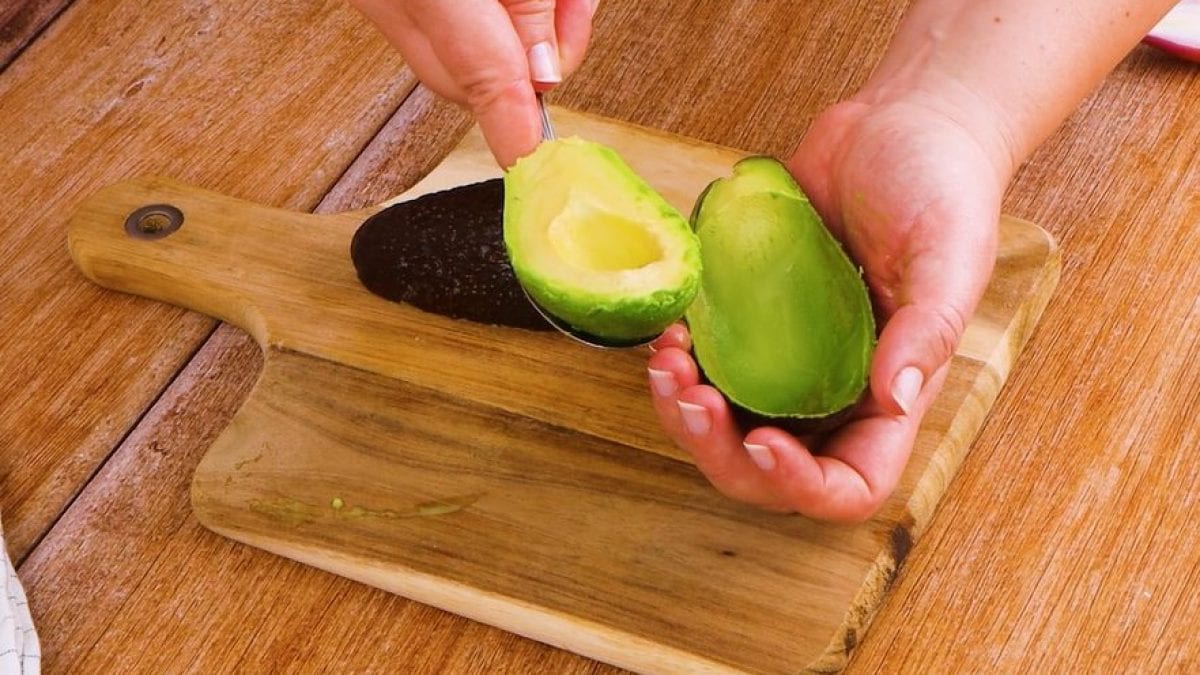
It is a scenario every home cook knows all too well. You slice open a gorgeous, flawless avocado, scoop out half to spread on your morning toast, and transfer the remaining half to the refrigerator for tomorrow. But when you open the fridge the next day, that bright, vibrant green flesh has transformed into an unappetizing, muddy brown shade.
This rapid color change is driven by a natural chemical process called enzymatic oxidation. The moment the fruit's flesh is cut and exposed to ambient oxygen, an enzyme inside the avocado called polyphenol oxidase begins breaking down compounds, polymerizing them into a dark pigment called melanin. It doesn't alter the safety of the fruit immediately, but it completely ruins the visual appeal and alters the texture.
While the internet is flooded with conflicting old wives' tales—like leaving the pit in (which biologically only protects the microscopic area directly underneath the seed)—mastering the science of oxygen exclusion is the only real way to win the race against time. Here is the ultimate guide to keeping your avocados brilliantly green.
The "Plate Flip" Method
If you don't want to mess around with plastic wraps, specialized storage gadgets, or extra ingredients, the absolute best zero-effort trick relies on basic physics. After slicing off what you need, take the leftover half (keeping the skin on and the pit intact to naturally minimize exposed surface area) and simply place it cut-side down directly onto a clean, flat ceramic plate. Slide the plate straight into the refrigerator.
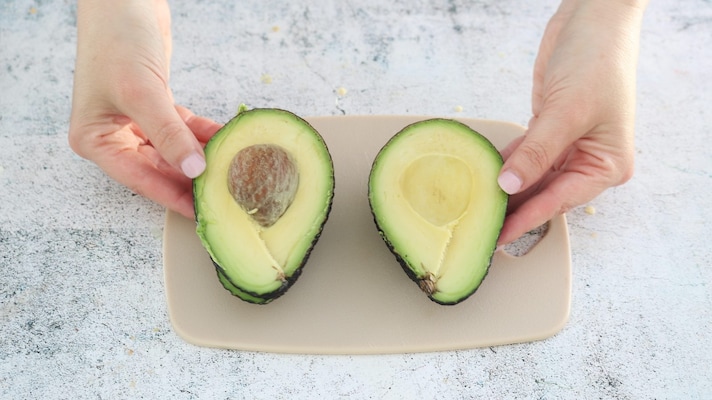
By pressing the completely flat, sliced surface of the avocado firmly against the smooth surface of a plate, you create a physical barrier that ambient oxygen cannot easily penetrate. Less airflow means a massive drop in oxidation. The cold temperature of the fridge handles the rest, keeping the fruit firm and halting the ripening process for up to 48 hours with minimal browning. When you are ready to eat, simply slice off the ultra-thin, slightly dry outermost millimeter, and you will find a pristine green interior.
Classic Culinary Shields
If you need your avocado to last a bit longer or you are working with slices rather than a clean half, you can introduce a chemical or physical shield before storing it in an airtight container.
Citrus Juice
Lightly brushing the exposed green flesh with fresh lemon or lime juice is highly effective. Citrus contains ascorbic acid (Vitamin C), which acts as a literal sacrificial lamb for oxidation; oxygen will preferentially react with the ascorbic acid before it ever attacks the enzymes in the avocado. The low pH also slows down the enzyme kinetics.
Olive or Avocado Oil
If you don't want your avocado to taste like lemons, lightly mist or brush the surface with a neutral cooking oil or avocado oil. Because oil and air don't mix, the thin layer of fat creates an impenetrable moisture-and-oxygen barrier across the flesh.
Once coated with either acid or oil, wrap the avocado tightly in plastic cling wrap—pressing the film directly against the flesh to eliminate any lingering air pockets—and keep it cold.

Why You Should Never Store Avocado in Water
You may have seen a widely shared social media hack recommending that you submerge whole or cut avocados inside a jar of water to keep them fresh for weeks. While this does block oxygen and keep the fruit green, the FDA has issued an official warning against this practice. Avocado skins have a rough, porous texture that easily harbors environmental bacteria like Listeria monocytogenes and Salmonella. When you submerge the fruit in stagnant water inside your fridge, you create an ideal, nutrient-rich breeding ground for these pathogens to rapidly multiply.
Even worse, research shows that Listeria can actually internalize, passing through the skin and directly contaminating the edible green pulp inside. At that stage, even thoroughly washing or scrubbing the outside of the fruit before eating won't protect you from severe food poisoning. Stick to dry, airtight storage methods to keep your kitchen completely safe.
;Resize,width=767;)
