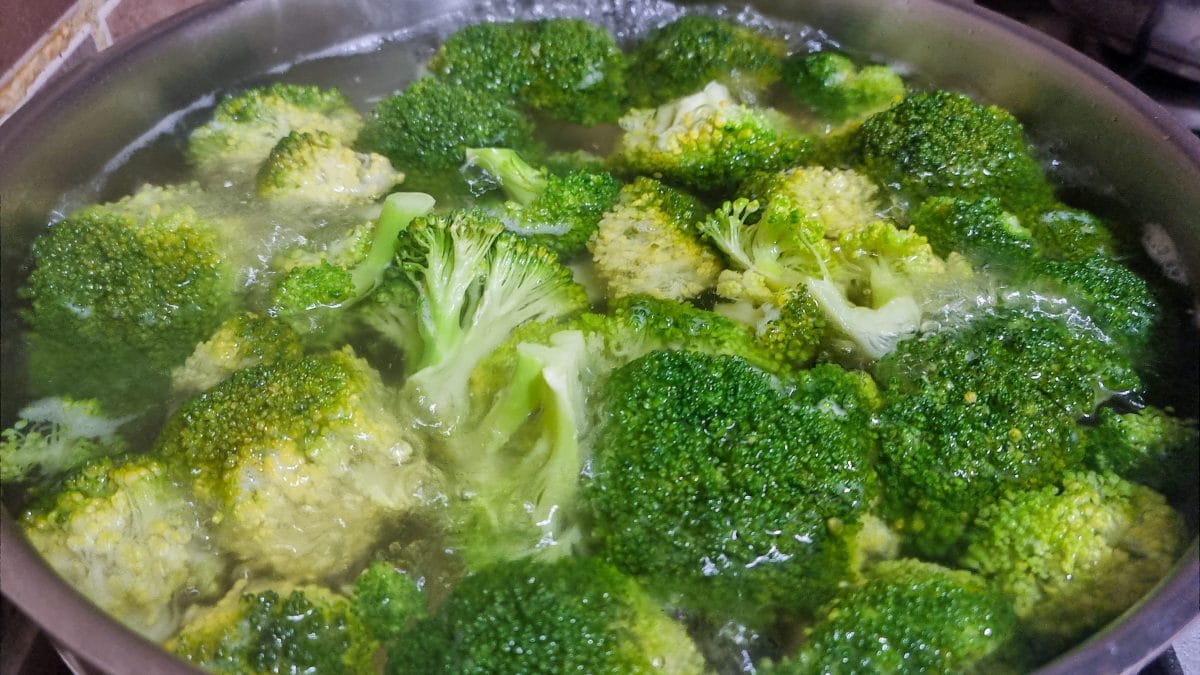
Broccoli has a branding problem. Not because it tastes bad — roasted properly, it’s nutty, sweet, and deeply satisfying — but because when cooked the wrong way, it can make your kitchen smell like something has gone slightly, unmistakably wrong. That sulfurous, cabbage-adjacent aroma is the reason many people still associate broccoli with childhood dinners they’d rather forget. The good news? The smell isn’t inevitable. In fact, it’s mostly about how you cook broccoli, not the broccoli itself.
Why Broccoli Smells in the First Place
Broccoli belongs to the brassica family, along with cabbage, Brussels sprouts, and cauliflower. These vegetables naturally contain sulfur compounds, which are harmless— and even beneficial— but volatile. When broccoli is exposed to heat, especially prolonged heat, those compounds break down and release gases like hydrogen sulfide, the same compound responsible for the smell of rotten eggs. The longer broccoli cooks, the more those compounds are released.
Stop Boiling It (Or at Least Stop Overboiling It)
Boiling broccoli is the fastest route to a smelly kitchen. Submerging it in water and cooking it for too long traps and intensifies sulfur compounds, then releases them all at once into the air. If you do boil broccoli:
- Use plenty of salted water
- Cook it briefly (2–3 minutes for florets)
- Drain it immediately
- Even better, consider skipping boiling altogether.
Roast, Sauté, or Steam Instead
High, dry heat is broccoli’s best friend. Roasting encourages browning and caramelization, which brings out sweetness and minimizes sulfurous aromas. The Maillard reaction — the same process that makes bread crusty and meat savory — works wonders here. Sautéing in a hot pan with oil achieves a similar effect, especially if you avoid crowding the pan. Steaming is also a good option, as long as it’s quick. Steam broccoli just until tender-crisp, then stop. Lingering steam equals lingering smell.

Don’t Cover the Pot
This one seems counterintuitive, but it matters. Cooking broccoli in a covered pot traps sulfur compounds, forcing them back into the vegetable and into your kitchen air when you finally lift the lid.
Leaving the pot uncovered allows those compounds to dissipate more gradually, reducing the intensity of the smell.
Add Acid At the End
A splash of lemon juice, vinegar, or wine won’t prevent sulfur compounds from forming, but it does help neutralize lingering odors and brighten flavor. Just don’t add acid too early — it can dull broccoli’s color and affect texture. Finish cooked broccoli with lemon zest, a squeeze of citrus, or even a drizzle of balsamic, and both the smell and taste improve noticeably.
Salt Early, Season Well
Salt doesn’t eliminate sulfur compounds, but it does help balance bitterness and enhance broccoli’s natural sweetness, making any residual aroma far less offensive. Well-seasoned broccoli smells better because it tastes better and your brain plays along. Garlic, chili flakes, anchovy, Parmesan, toasted nuts, and olive oil all help shift broccoli from “sulfur-forward” to savory and appealing.

Freshness Matters More Than You Think
Older broccoli smells more. As it ages, its cell structure breaks down, making sulfur compounds easier to release during cooking. Look for:
- Tight, dark-green florets
- Firm stems
- No yellowing or strong odor
If broccoli already smells off when raw, cooking it won’t fix that.
Ventilation Is Not Cheating
Sometimes the fix is mechanical. Turning on the range hood, cracking a window, or running a fan isn’t admitting defeat, it’s acknowledging that sulfur compounds are airborne. Good ventilation keeps smells from lingering long after dinner is done.
;Resize,width=767;)
