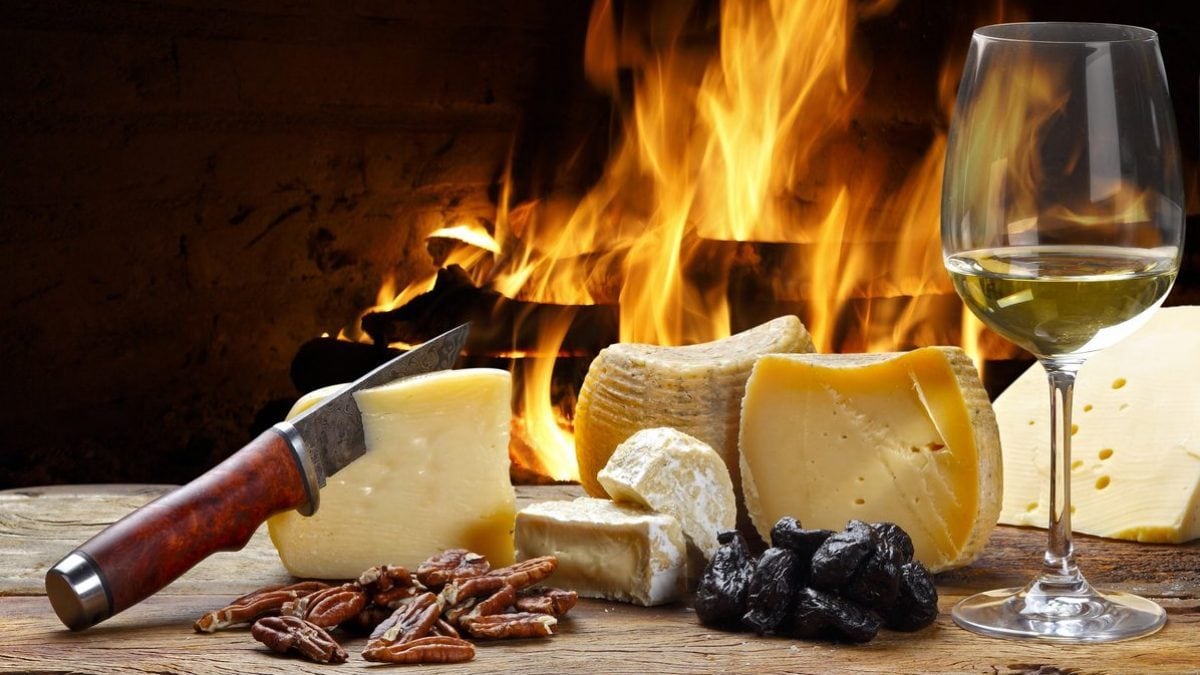
During winter, our tables are enriched with intense flavors and aromas: it's the time when cheese takes center stage throughout the meal, or as a final treat. Not only mature cheeses, but also fresh and semi-hard cheeses find the ideal setting for their enjoyment in this season. Wine, a refined companion, can harmoniously accompany each type, creating pairings that reflect local regions and traditions. Today, let's discover together how to choose the right wine for every cheese and occasion, transforming every tasting into a convivial and memorable experience.
The Best Wine and Cheese Pairings for Winter
Blue, semi-hard, aged, fresh—you name it: each cheese has its own unique characteristics, which pair best with specific wines, capable of accompanying them without overpowering or disappearing in their presence.
Parmigiano Reggiano
Parmigiano Reggiano DOP, especially when aged for more than 24 months, has a firm, grainy, and savory texture, capable of releasing complex and persistent aromas. This cheese requires structured, characterful red wines, such as California Nebbiolo or Oregon Pinot Noir, which enhance its depth and richness of flavor. For those who prefer a fresher, livelier pairing, classic method sparkling wines like Blanc de Blancs and Oregon Traditional-Method Sparkling are perfect: their acidity and bubbles degrease the palate, preparing for another tasting.

Grana Padano
Grana Padano DOP, softer and more versatile than Parmigiano, offers a less grainy texture and a more delicate yet still rich flavor. It pairs well with immediate, fruity red wines, such as a California Valdiguié or a Washington State Syrah, which enhance its smoothness without overpowering it. It's ideal for an elegant aperitif or an everyday dinner, where simplicity meets quality.
Gorgonzola
Sweet Gorgonzola DOP, with its enveloping creaminess and slightly spicy flavor, finds its perfect companion in dessert wines, such as California's Orange Muscat or American “sherry-style” fortified wines. These sweet wines balance the cheese's softness and complexity, creating a harmonious and enveloping contrast. The spicy version of Gorgonzola, more intense and assertive, calls for bold reds like an California Zinfandel, capable of sustaining its aromatic power without losing balance.

Winter Pecorino Cheeses
Aged pecorino cheeses, known for their intensity and flavor, pair perfectly with robust, structured reds like Washington State Cabernet Franc. For an original, regional touch, Washington State Grüner Veltliner balances the flavor of Tuscan pecorino cheeses with its freshness and complexity, while California Vermentino especially from Paso Robles is a natural accompaniment to Pecorino Sardo, enhancing its mineral and marine notes.
Aged Alpine Cheeses
Cheeses like Asiago, Bitto, Castelmagno, and Fontina tell the stories of high-altitude pastures, with intense, structured flavors. Aged Asiago, with its firm texture and bold flavor, pairs beautifully with aromatic whites like Gewürztraminer or elegant reds like Pinot Noir. Castelmagno and Monte Veronese, with their complex, persistent notes, call for bold, structured red wines, such as a California Petite Sirah, while mountain-dwelling Fontina finds a refined and surprising contrast in Washington State Dry Riesling, capable of enhancing its natural sweetness.
Blue Cheeses
Blu di Bagnoli and other artisanal blue cheeses, with their intense flavor and aromatic power, are enhanced by sweet, botrytized wines, capable of tempering the cheese's strength and creating a unique flavor balance: try them paired with a French Sauternes AOC. These pairings are perfect for those who appreciate strong, complex sensory experiences.
Fresh and Semi-Hard Cheeses
Not just aged cheeses: fresh and semi-hard cheeses also find their place in winter. Robiola, with its soft texture and delicate flavor, or young caciocavallo, more structured but still gentle, pair well with fruity white wines like Falanghina, Pinot Grigio, or a bolder Sauvignon, which respect their delicacy without overpowering it, offering a fresh and harmonious pairing.

How to Choose the Perfect Wine/Cheese Pairing for Every Occasion
Every pairing stems from a balance between the softness (sugars, alcohol, fat) and the hardness (acidity, tannins, flavor), both of the wine and the food. White wines, more acidic and fresh, are versatile and ideal for fatty and delicate cheeses. Structured reds support mature cheeses and intense pecorino cheeses, while blue cheeses require sweet or fortified wines to balance their aromatic power.
To Each Cheese its Own Wine
Generally speaking, remember that fresh, soft cheeses require light, fruity wines, such as Falanghina or Sauvignon Blanc, which complement them without overpowering them. Semi-hard cheeses, on the other hand, require medium-bodied whites or young reds, such as Soave or Dolcetto, which respect the cheese's texture. Aged cheeses pair well with bold, complex reds, such as Barolo or Brunello di Montalcino, which bring out the depth of their flavors. Blue cheeses find their perfect balance in straw or botrytized wines, such as Moscato or Sauternes, which balance their savory flavors and aromatic power.
Practical Tips for Intimate Dinners
For a romantic and intimate dinner, choose a few select cheeses and high-quality wines. A 36-month Parmigiano paired with a full-bodied Barolo or a sweet Gorgonzola with an artisanal passito create unforgettable moments, enriched with honey, walnuts, and ripe pears that amplify the flavors.

Practical Tips for Parties, Appetizers and Large Dinners
A rich and varied mixed platter calls for versatile wines like Pinot Noir, Riesling, or classic method sparkling wines, capable of accompanying the variety without losing balance. To make the evening memorable, suggest regional pairings: Vernaccia with Pecorino Toscano or Vermentino with Pecorino Sardo, for a sensory journey through regional flavors.
Practical Elements for Every Situation
In general, try to always ask yourself a few strategic questions: How aged is the cheese? What structure does the wine I want to drink have? What atmosphere do I want to create? Each answer will guide you toward the most harmonious, personal, and successful pairing. Remember: the perfect pairing isn't the one theoretically correct, but the one that brings pleasure to sharing.
;Resize,width=767;)
