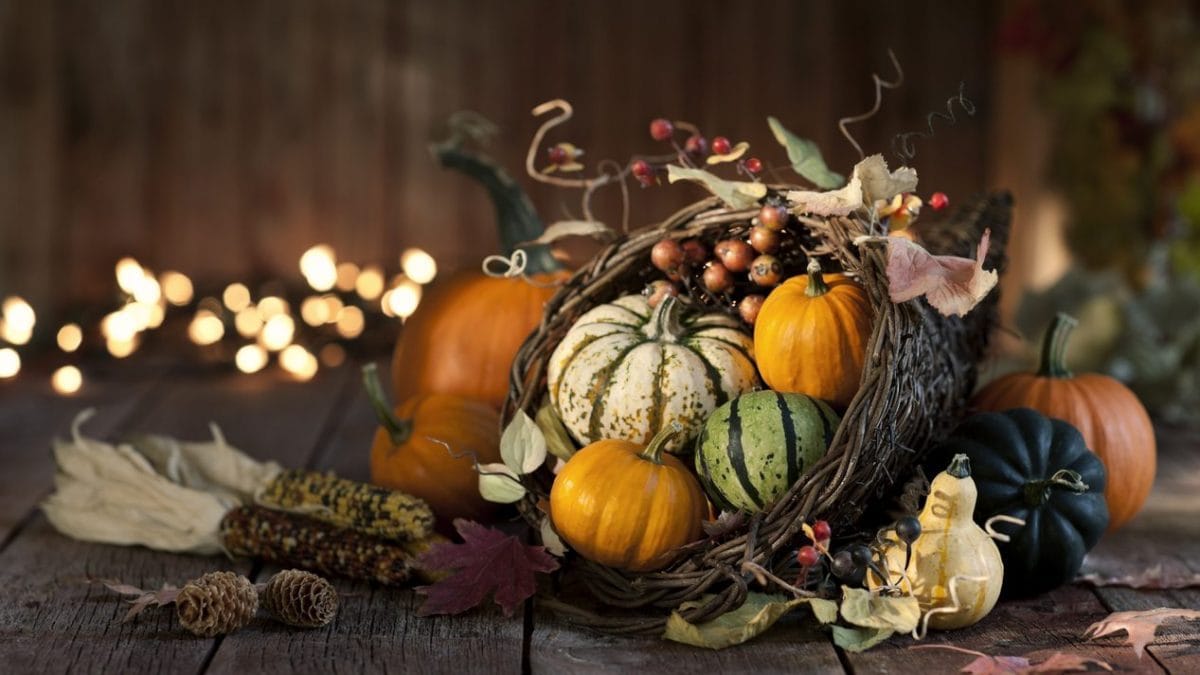
We're used to seeing them orange, round, and with a generally sweet flavor: pumpkins are among the stars of our autumn table. But some varieties aren't just used in our recipes, but become real decorative elements for homes and gardens: we're talking about ornamental pumpkins. With whimsical shapes and unique textures, they're grown solely for aesthetic purposes —especially in autumn or around Halloween —as eating them can cause serious intestinal problems due to cucurbitacin, a toxic substance present in their pulp. They're often very similar to the ones we use in cooking, but it's good to know the differences between the two: here we explain in detail what they are and how to recognize them.
What Are Ornamental Pumpkins?
They are nothing more than true pumpkins, belonging to the Cucurbitaceae family, but they are distinguished by some external features: they can be round, elongated, green, white, orange, solid color, smooth or knobby, with creeping stems and very broad leaves. The different types also differ based on their size: the smaller ones can be used immediately after harvesting, while the larger ones require a period of drying before use. Precisely because of their very distinctive appearance, this type of pumpkin is used as a decorative element for the home or garden during the autumn, or to be carved for holidays like Halloween.
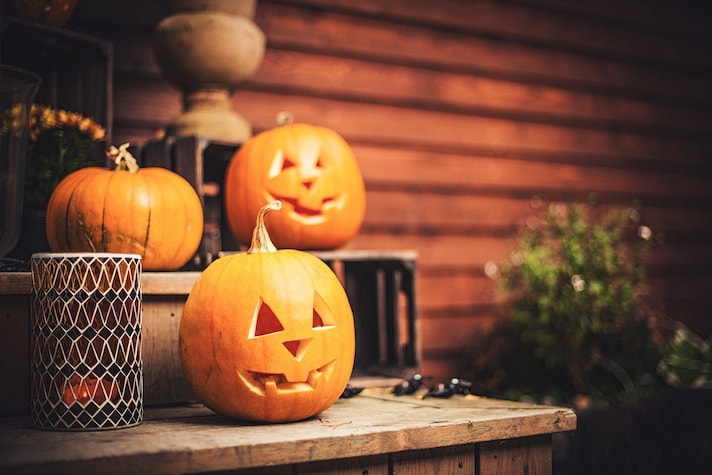
Botanically, they don't differ substantially from edible varieties, but breeding has favored external characteristics over flavor and texture. Native to Central America, ornamental pumpkins have a hard, fibrous pulp, and once dried, they make perfect containers for liquids: in the past, in fact, they were used as vessels for water and wine.
Why Ornamental Pumpkins Are Not Edible
Besides their curious appearance —sometimes so beautiful it would almost be a shame to break them—ornamental pumpkins are not, or rather, cannot be eaten. In fact, this variety contains a substance called cucurbitacin, which not only makes them particularly bitter —and therefore unsuitable for cooking—but is also toxic: its consumption can cause serious gastrointestinal disorders such as vomiting, diarrhea, and nausea, which is why they are considered inedible.
Furthermore, the flesh of an ornamental pumpkin tends to be poor, fibrous, hard and watery and, therefore, not particularly useful in the preparation of your recipes, so it is preferable to choose varieties such as Delica or Butternut.
How to Recognize Edible Pumpkins
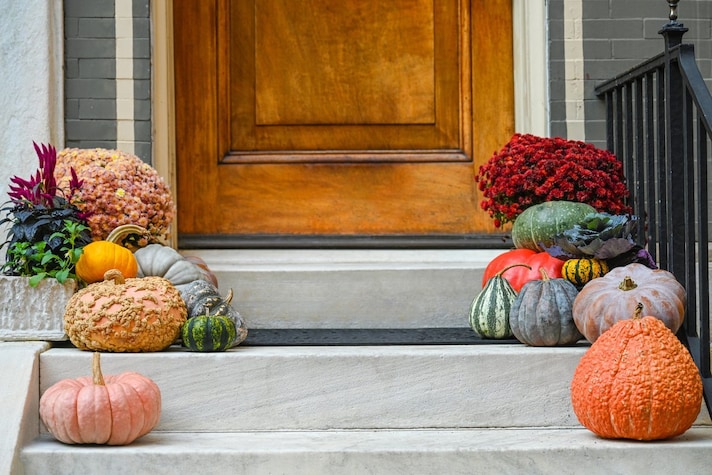
It's clear, then, that we must be especially careful not to confuse ornamental pumpkins with edible ones: but how can we do this? The first clue that we're dealing with an ornamental pumpkin, as we've said, is its decidedly extravagant appearance: while the edible ones are all more or less orange and have more regular shapes, the ornamental ones are characterized by bright colors that can range from orange to green, but also from black to white, and often have appendages or spots.
In any case, at the supermarket or greengrocer's, edible and ornamental pumpkins are identified by special labels that specify their origin and, above all, their purpose. But, if you have any doubts, you can also check the inside: if the flesh is underdeveloped, very fibrous and watery, you are probably dealing with a pumpkin grown solely for aesthetics and not for flavor.
;Resize,width=767;)
