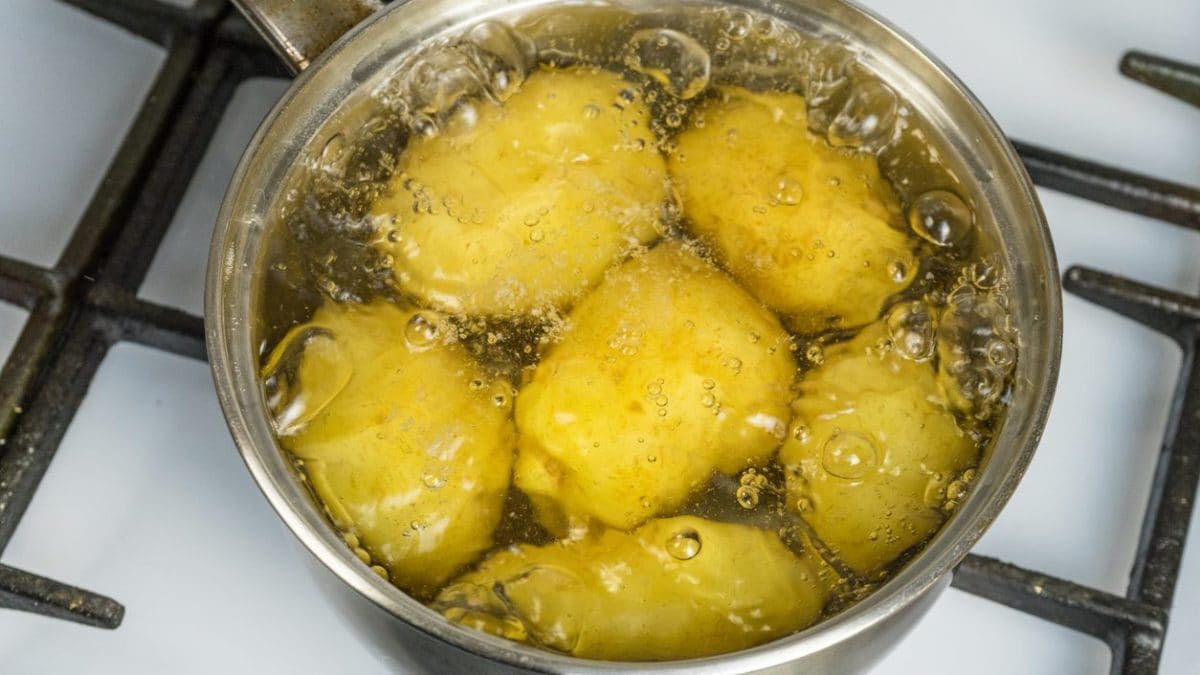
Anti-waste tips in the kitchen? Yes, please, because we now know that the concept of reuse isn't all that difficult to put into practice, even with easily disposed of leftovers, like pasta water. Or, as in this case, the water used to boil potatoes. The reason? It always comes from the starch released—here from the tuber, so gluten-free—and becomes a valuable ally in other preparations, as a thickener and smoother, replacing part of the fresh water or broth. Furthermore, it also contains mineral salts, which can act as nourishment for plants. Let's look at some alternative solutions, which can be applied completely safely.
1. In Mashed Potatoes
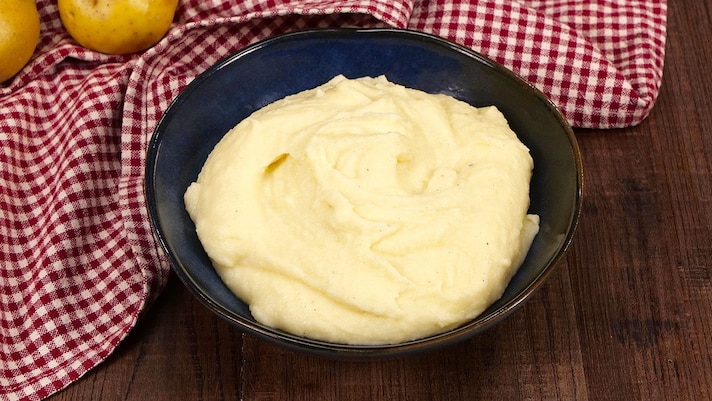
Let's start without straying too far from our starting point. Have you boiled potatoes for a delicious mash? Don't immediately discard the water, as you might need it to thin out a thick consistency with a ladle, instead of milk or butter, which are two fats. Simply add it a little at a time and stir. You can use the same technique with mashed potatoes left in the refrigerator from the day before, so they regain their original creaminess without becoming heavy.
2. In Leavened Doughs
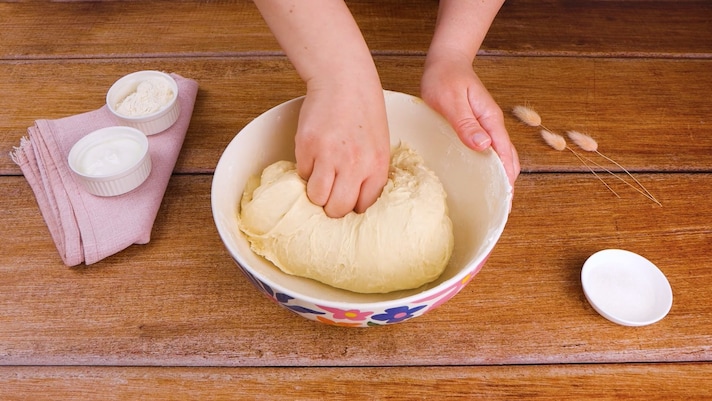
Using potato water, you can make leavened dough for bread, pizza, and focaccia easier to handle, resulting in a softer product. How? By taking advantage of its slightly sticky nature: replace part of the "clean" warm water with 20-40% potato water, not cold, but at room temperature, or you risk slowing the maturation process.
3. In Sauces and Broths
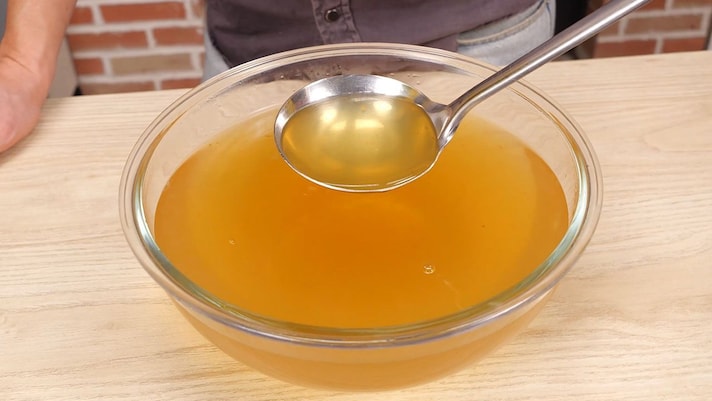
One of its most classic uses is to take advantage of its natural thickening effect, thanks to the starches released by potatoes during cooking. You can therefore add it to broths, stocks, sauces, soups, and cream soups to improve the texture, which will also become silkier, much like a roux.
4. In Plants
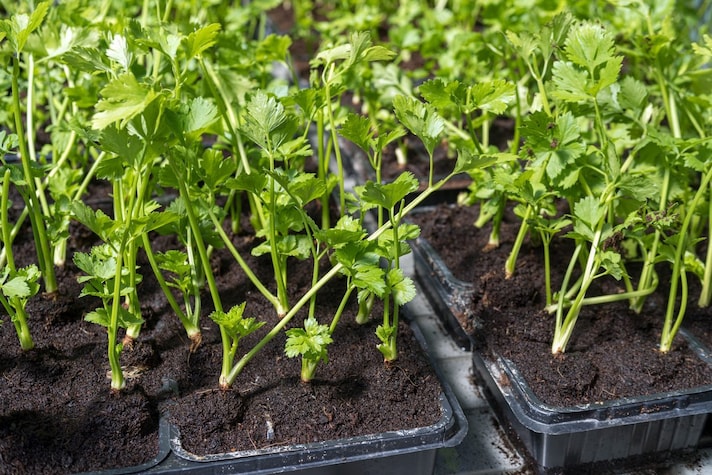
Potato water, especially when cooked with the skin on, can be considered a green fertilizer, as it contains small amounts of mineral salts such as potassium, magnesium, and phosphorus, which are useful for nourishing plants. A solution that's too saline can be harmful to plants: to avoid unpleasant surprises, opt only for unsalted and unflavored water. Dilute with an equal amount of fresh water and water the soil, not the leaves.
Additional Advice
When you decide to try reusing potato water, remember to take a few precautions. Once drained, the liquid should be filtered to remove any residue, allowed to cool to room temperature, and then stored in the refrigerator for a maximum of 1 or 2 days in tightly sealed glass jars. If you used heavily salted water, carefully consider the amount to incorporate into the recipe, as it should not affect the final flavor.
Potatoes boiled with their skins contain more nutrients, and there's no need to worry about solanine: this potentially toxic substance would require huge amounts to cause side effects in humans. To avoid problems like nausea and gastrointestinal distress, it's best to always eliminate sprouted potatoes and potatoes with green skin, as they contain a higher concentration of this alkaloid (also found in tomatoes and eggplant), which makes them more bitter.
;Resize,width=767;)
