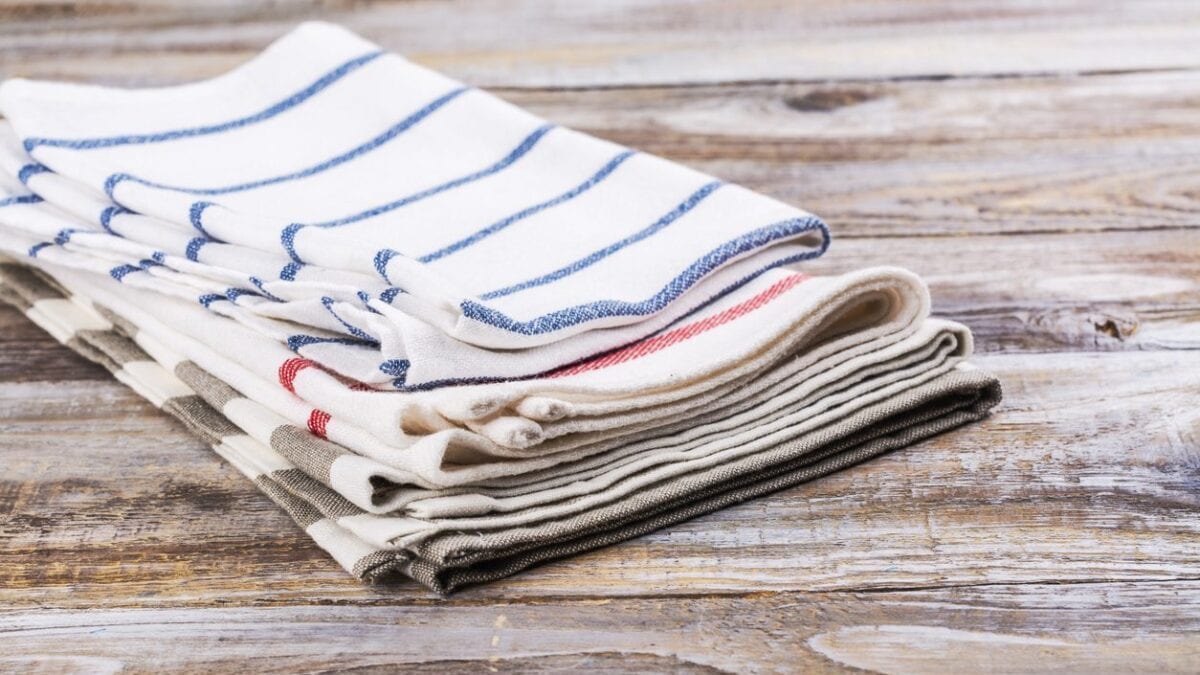
Among the things that absolutely must not be missing in the kitchen are undoubtedly order, hygiene and cleanliness: the food, the worktop and all the tools we use to prepare our succulent dishes must always be tidy and well cleaned, and tea towels are certainly no exception. When we cook, kitchen towels are indispensable items, but, when in contact with food, condiments and the stove, they tend to get dirty easily: stains of varying sizes, more or less stubborn, often hide invisible germs and bacteria that can be harmful to our health. And when the stains are particularly stubborn, the risk is that we end up with fabrics marked by unpleasant halos.
Keeping dishcloths fresh and in good condition doesn't necessarily mean using harsh products or spending hours scrubbing. Often, it's the small, everyday touches that make the difference, starting with how you treat newly appearing stains. Knowing a few helpful tips allows you to tackle dirt more consciously, preserving the fibers and prolonging the life of these essential accessories. Let's see how to clean, sanitize, and make dishcloths look like new, eliminating even the most stubborn stains with the right procedure and using remedies that really work.
How to Treat Stains Before Washing
One of the most effective tricks to ensure your dishcloth fabric doesn't get stained is to take a few minutes to pre-treat stains, especially if they're caused by oil, sauce, coffee, or other food residue. The first step is to identify the type of stain and treat it with an appropriate product: for the most common stains, simply applying a small amount of liquid detergent directly to the affected area may be sufficient, rubbing gently and letting it sit for a few minutes. Alternatively, you can use a specific laundry soap, or use Marseille soap, one of the most reliable home remedies for pre-treatment: dampen the stain, gently rub the soap, and let it sit for a few minutes before washing, following the product's instructions.

Timing is key: the longer a stain remains on the fabric, the more likely it is to set in, making it difficult to remove with a normal wash. Also, remember that it's best to avoid rubbing vigorously to avoid pushing stain residue deeper into the fabric fibers. What about natural remedies? In many cases, products like vinegar, baking soda, and lemon are useful for avoiding detergents and soaps, but in this case, it's best to avoid them: they're not effective at removing stains from fabrics and could actually damage them further. Lemon, for example, can have a lightening effect and alter colors, while vinegar and baking soda together cause a reaction that releases carbon dioxide and reduces the specific action of the individual ingredients. It's best to opt for an eco- friendly soap made from natural ingredients (like the aforementioned Marseille soap), which is excellent for removing stains and smudges. Once the pre-treatment is complete, they can be machine washed at the temperature indicated by the manufacturer, choosing a cycle appropriate for the level of soiling. The result? Cleaner, fresher dishcloths that are ready to be used again in the kitchen.
1. Oil and Grease Stains

Oil, butter, and grease stains require targeted treatment, as water alone isn't enough to remove oily residue. If the stain is fresh, gently blot the excess with a paper towel, without rubbing. Then, apply a small amount of liquid laundry detergent directly to the affected area and let it sit for a few minutes, following the product's instructions. Alternatively, for food grease stains, you can use a drop of dish soap, as long as it's suitable for the fabric, rinsing thoroughly before washing. Finally, wash the dishcloth at the temperature recommended on the label. For more stubborn stains, you may need to repeat the treatment before drying the fabric, or use Marseille soap, rubbing it gently on the fabric before washing.
2. Tomato and Sauce Stains

Tomatoes, especially when used in oily sauces, leave particularly stubborn stains because they combine red pigments with greasy residue. The first thing to do is gently remove the excess sauce with a spoon, avoiding spreading the stain. Then rinse the stain from the back with cold water (never hot, as this will bind the residue even more to the fibers) and apply a small amount of liquid laundry detergent or Marseille soap, gently working it into the fibers. If a reddish stain remains, you can consider a stain remover compatible with the fabric, following the instructions and checking for colorfastness first. After pre-treatment, proceed with the normal wash and check the result before drying the cloth.
3. Tea and Coffee Stains

Tea and coffee can leave brown stains that become more difficult to remove as they dry on the fabric. Therefore, it's best to act immediately by dabbing away excess tea with a clean cloth and rinsing the area with cold water. Next, apply a little liquid laundry detergent or a specific stain remover, letting it sit for the time indicated on the package. Complete the treatment with a suitable wash, checking that the stain is completely removed before drying.
4. Red Wine Stains

Red wine is among the most feared fabric stains because it contains pigments that can quickly penetrate the fibers. In the event of an accident, it's important to immediately blot the liquid with a paper towel or a clean cloth, without rubbing, then rinse the area with cold water and apply a pre-wash stain remover or liquid laundry detergent, following the manufacturer's instructions. If the cloth is white and the stain persists, consider a fabric-safe bleach; for colored fabrics, however, it's essential to choose a color-safe solution and test it on an inconspicuous area first. After washing, check the result before hanging the fabric to dry or heat-drying, as high temperatures can make it more difficult to remove any residual stains.
5. Chocolate Stains

Chocolate can leave difficult-to-remove stains because it contains both fatty substances and pigments. If the residue is solid, gently remove it with the back of a spoon, without pushing it further into the fibers. Then rinse the area with cold water and apply a liquid laundry detergent or Marseille soap, letting it act for a few minutes before washing the cloth in the washing machine. It's important not to use very hot water immediately, as this can make it more difficult to remove some of the stain's components.
6. Fruit Stains

Strawberries, cherries, blueberries, and other fruits can leave particularly visible colored stains on light-colored dishcloths. In these cases, it's best to remove any solid residue and rinse the area promptly with cold water, avoiding rubbing. Then, apply soap and let it sit for a few minutes. Wash the dishcloth and, if necessary, repeat the process, but remember not to let it dry until the stain is removed: residual pigments, once the fabric is dry, are even more difficult to remove.
7. Egg Stains

When a bit of raw egg smears on your dishcloth, the first rule is to avoid hot water: heat can coagulate the proteins and make the residue more difficult to remove. Gently wipe away the excess, rinse with cold water, and scrub gently. Then wash as usual and check the result before drying. This procedure is also useful for other protein-rich food residues.
8. Grease Stains Mixed With Dirt

Dishcloths used to clean the stovetop or pick up residue during meal preparation can accumulate a mixture of grease, crumbs, and dirt. In this case, it's helpful to first remove solid residue, pretreat the greasiest areas with Marseille soap, and then soak the dishcloths in cold water with a drop of liquid laundry detergent. After thoroughly rinsing, wash the dishcloth separately from other heavily soiled items, following the temperature indicated on the label.
Mistakes to Avoid to Prevent Stains From Setting and Ruining Fabrics
To remove stains from dishcloths without damaging the fibers, it's important to pay attention not only to the products used, but also to the cleaning process and temperatures chosen. One of the most common mistakes is immediately using very hot water: with some stains, such as egg and other protein-rich foods, heat can make it more difficult to remove residue, so always use cold water.
Scrubbing too vigorously is also counterproductive: instead of removing dirt, you risk pushing it deeper into the fibers or damaging the fabric. It's best to dab fresh stains, gently remove any solid residue, and apply a suitable product, letting it act for the recommended time. Another mistake is using excessive amounts of detergent or mixing different home remedies in the hope of boosting their effectiveness. In particular, vinegar and baking soda aren't a miracle stain-removing combination, and vinegar should never be mixed with products containing bleach.

Finally, it's essential to always check the cloth's label before choosing a wash temperature or using a stain remover. Products based on active oxygen, for example, can be effective on various stains, but they aren't suitable for all fabrics and colors. After washing, always check that the stain is gone before using the dryer or exposing the fabric to intense heat sources: heat can make some residues more stubborn. By following these simple precautions, it will be easier to keep your cloths clean, sanitized as needed, and in good condition.

