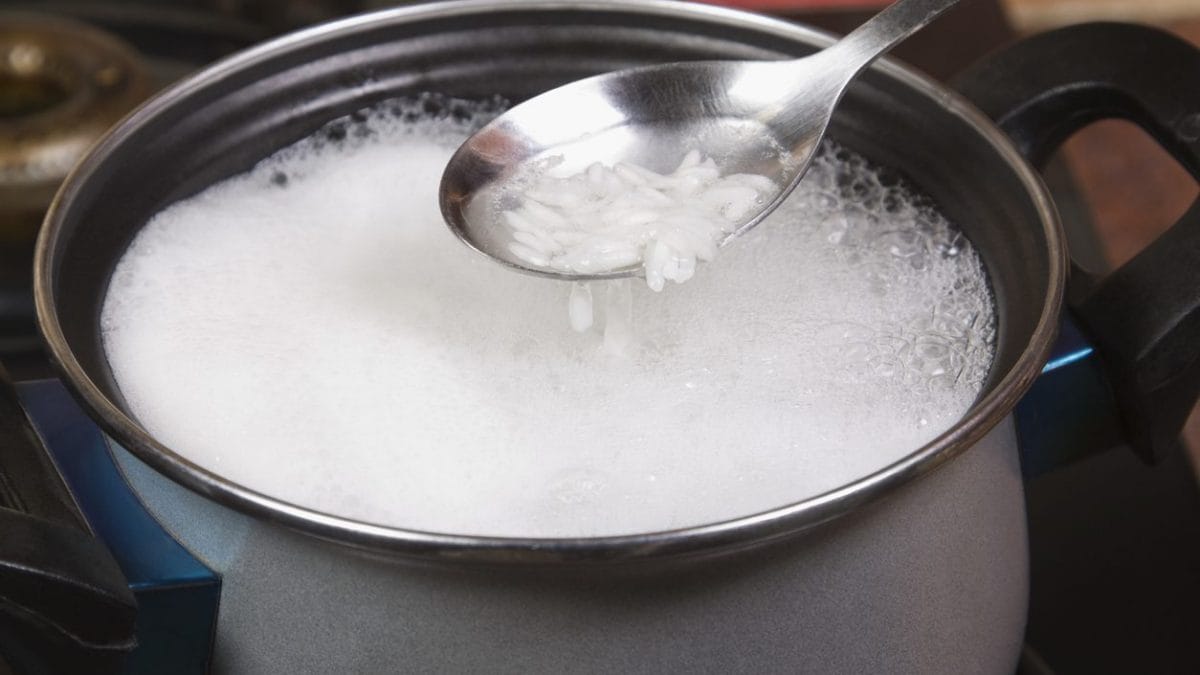
There's a lot of talk about anti-waste cooking and reducing waste, but we bet you'd never think of recycling some products, cooking water being one of them. And yet, it's not waste to be thrown away, but an ingredient you can reuse in many ways, both inside and outside the kitchen: from pasta to vegetable water, from potato water to egg water, all cooking water has special properties, but it's hard to beat rice cooking water.
You can't even imagine how useful this product is, both in the kitchen as a true ingredient, and beyond, with multiple functions, from a natural cleaner to a plant fertilizer, from an odor absorber to a personal care product. We're sure that once you realize how useful rice cooking water is in your home, you'll never throw it away. But why is this cooking water so valuable, how long does it last, and what are all its reuses? Here's everything you need to know about recycling rice cooking water.
Here's Why You Shouldn't Throw Away Rice Cooking Water
The cooking water of any food becomes a precious liquid because, when the ingredient in question is cooked in it, the water absorbs a good portion of the nutrients contained in that product, such as minerals, vitamins, and compounds released by the food. This is why cooking water, in general, is an excellent product not to be thrown away: it is rich in precious nutrients that can be useful in various ways. The cooking water from rice is even more valuable due to the composition of the rice itself: during the cooking process, rice grains release elements such as folic acid, iron, potassium, zinc, magnesium, almost all the B vitamins, and vitamin E, thus making this water much more than a simple waste product. Furthermore, it also contains substances derived from fermentation, such as certain amino acids and organic acids.
How to Store Rice Water and All the Ways to Use It
Rice cooking water is a truly useful product, generally considered safe, but requires some care before recycling. Remember that rice tends to naturally accumulate more inorganic arsenic than other grains, due to flooded rice fields, which facilitate its absorption from the soil. Any accumulated amount is negligible enough not to be considered dangerous, but it could still be infused into the cooking water. To avoid any risk, it is advisable to rinse the rice several times before cooking, until the water is clear, and to cook it in plenty of water, a practice that significantly reduces the possible presence of this substance. Therefore, pay attention to the quality of the rice you use; always make sure you use a high-quality, organic product, not only for the cooking liquid but also for the safety of the food you will consume. The same goes for water: if you are unsure about the safety of your tap water, it is always better to use bottled water, especially if you intend to reuse the cooking liquid. Also remember not to salt it, especially if you will use it for body and plant care.
Once you've taken all these precautions, you can use your rice cooking water safely. Rice water can be stored in the refrigerator for up to five days, stored in a tightly closed airtight container that you should shake vigorously before each use. Alternatively, you can also ferment the rice water before using it: it can develop additional compounds beneficial for skin and hair and has a lower pH, characteristics that make it particularly beneficial for skin and hair. In this case, leave it at room temperature for about 24-48 hours before storing it in the refrigerator in its airtight container. But how do you use rice cooking water once it's ready? Here are the most useful and interesting uses.
1. Doughs
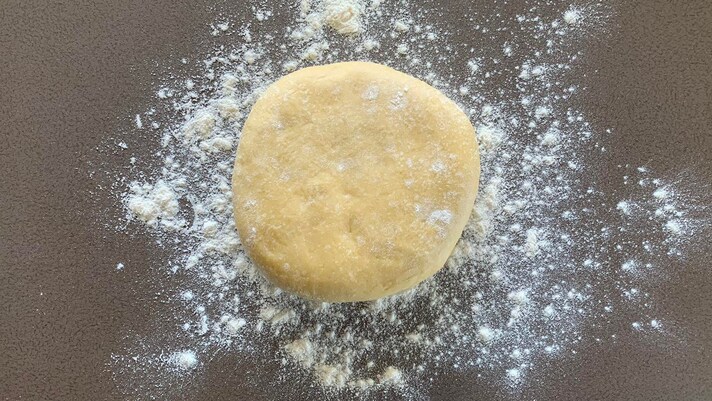
In small quantities, rice cooking water can be used to make bread, pizza, rustics and savory pies. Taking into account the amount of salt needed for your preparation, we can use rice cooking water as a liquid component of the dough: you will obtain leavened products that are elastic and easy to work with, as well as tasty and nutritious.
2. For Soaking Legumes
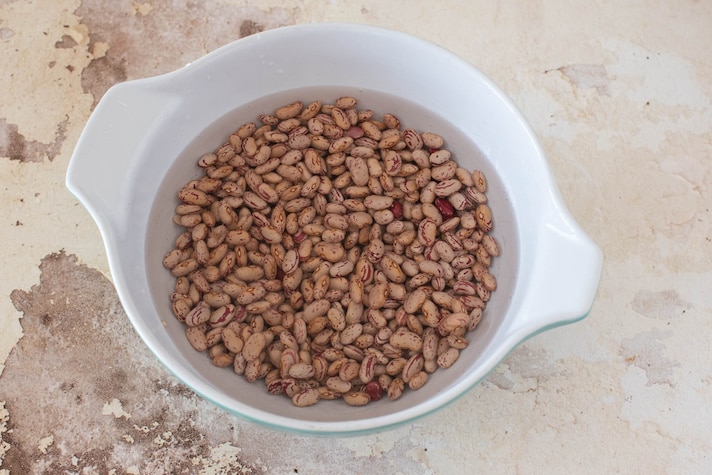
A risotto for lunch and a legume soup for dinner? Don't throw away the rice cooking water, let it cool and use it to soak chickpeas, lentils and beans which will be hydrated and ready to use. Be careful though: the rice cooking water is useful for soaking but not suitable for cooking.
3. To Prepare Salt Dough
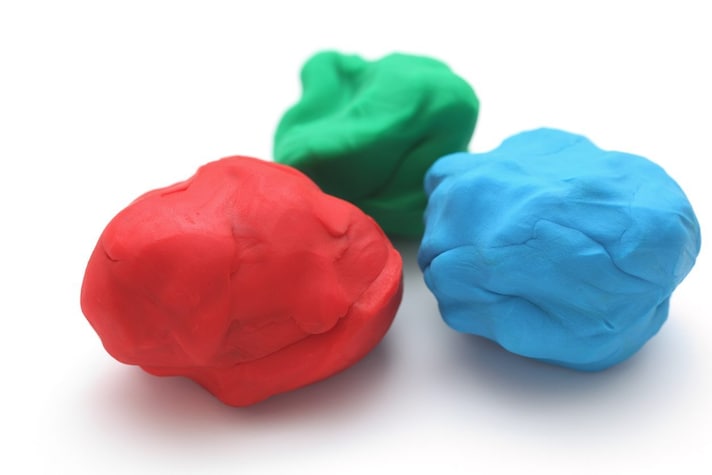
To play with the little ones, you can use the rice cooking water to prepare salt dough: all you have to do is add flour and oil and, in a few steps, the salt dough will be ready for an afternoon of fun at no cost.
4. Hair Care

Rice cooking water can help you take care of your hair: thanks to the good presence of starch, the cooking water will make your hair soft and shiny, especially if dry and damaged. To get an immediate result, just use the rice cooking water to prepare a poultice, let it act for 15-20 minutes and then simply proceed with a delicate shampoo and rinse.
5. Cleansing and Skin Care

Acne or dry skin problems? Do not throw away rice cooking water, it can become a precious ally in your daily facial care. Rice starch has a soothing effect and acts naturally against excess sebum on the skin: prepare a simple compress to apply on your face, leave it on for a few minutes and rinse with warm water, in a few days you will have smooth and well-hydrated skin.
6. Glass And Dishwashing Detergent
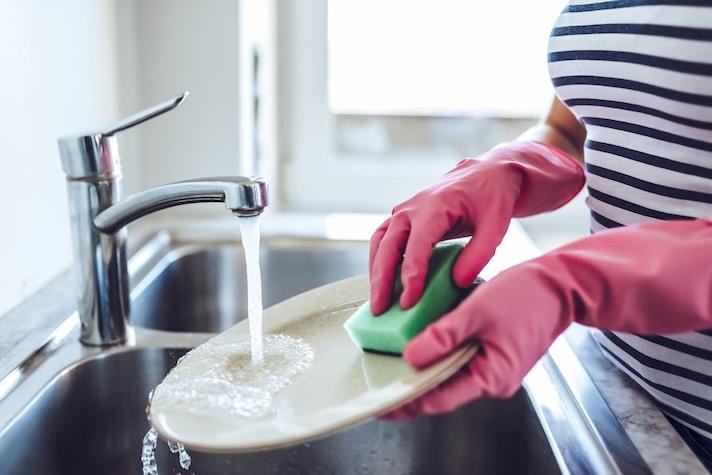
While still hot, rice cooking water can be an excellent natural detergent for dishes, pots and pans: the rice starch released into the water has the power to attract dirt and dissolve it in a few seconds, thus obtaining a degreasing effect. If you prefer to eliminate dirt and bad smells in the kitchen without the aid of chemical products, cooking water can be incredibly useful: you can also prepare a homemade detergent by putting the cooking water in a spray bottle and use it to eliminate streaks and stains from glass and surfaces.
7. Natural Fertilizer
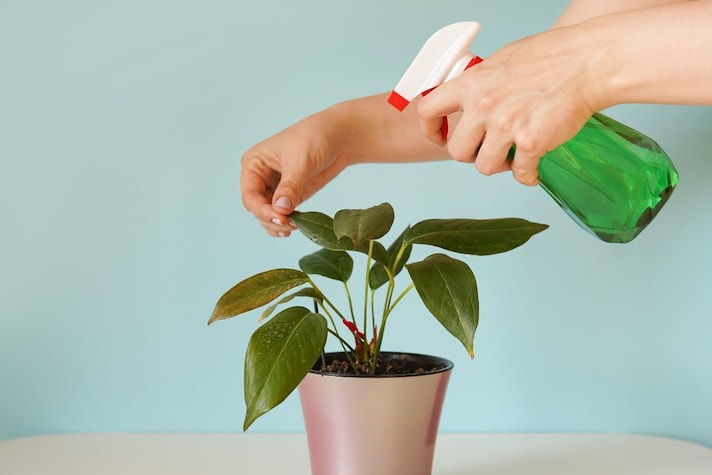
As long as you have not used salt during cooking, rice water can become an excellent natural fertilizer for plants and aromatic herbs in your garden. Once cooled, pour the rice cooking water directly into the soil: the plants will benefit from the presence of mineral salts and vitamins and will grow in a healthy and natural way, without the need to resort to chemical fertilizers.
8. Foot Bath
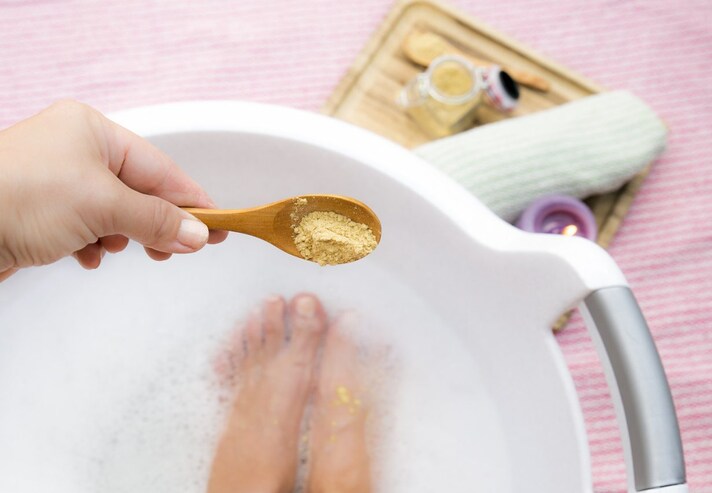
Not only in the kitchen, but also in the bathroom, rice cooking water can surprise us, in this case for a regenerating and relaxing foot bath. If you suffer from swollen and heavy legs, pour the rice cooking water still hot into a basin, add a few drops of essential oil and enjoy a well-deserved moment of relaxation and self-care.
9. Eliminating Bad Odors

Thanks to its absorbency, rice cooking water can eliminate even the most persistent odors, such as fish odors; it's no coincidence that in Korea, it's customary to soak fish in rice cooking water to prevent it from smelling during cooking. It's very simple: just fill the containers you want to clean with rice cooking water, let it sit for about 30 minutes, and rinse.
;Resize,width=767;)
