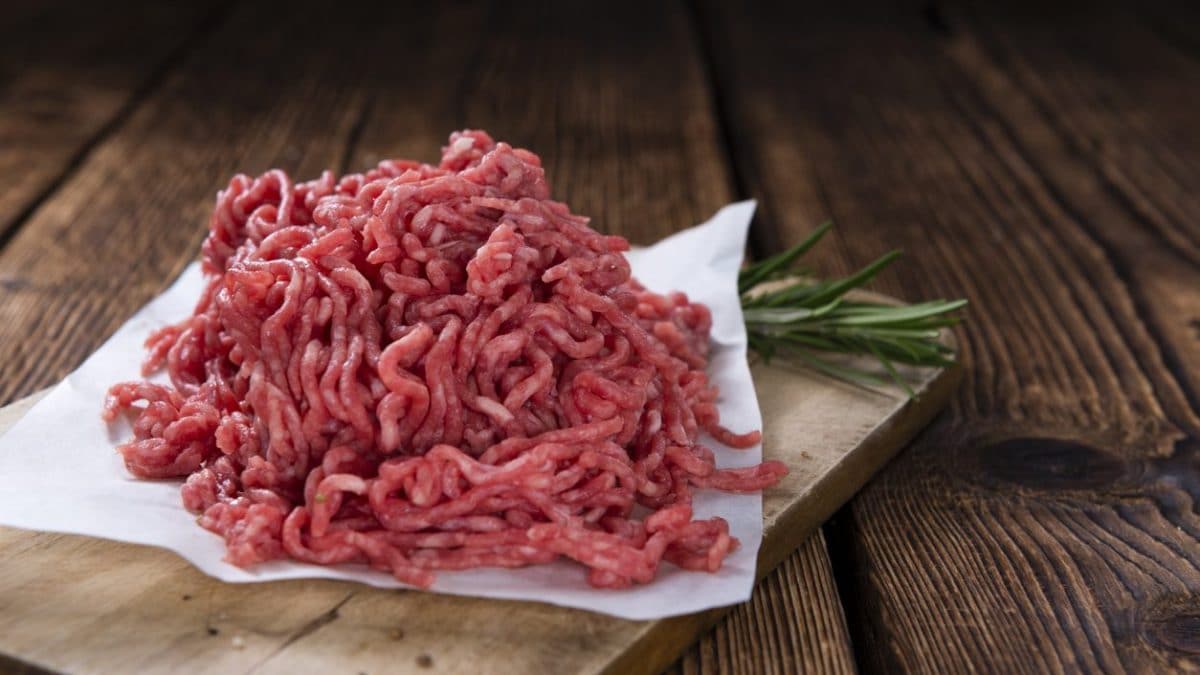
Beef, chicken, veal, or pork: a supply of various cuts of fresh meat is always useful to have at home, for preparing tasty main courses or inviting condiments for pasta dishes. There's a problem, however: meat is one of the foods most susceptible to rapid spoilage due to a high risk of bacterial growth, favored by its high protein and water content, and by oxidation. No matter how fresh the meat you buy, if you don't store it properly, it can quickly spoil, not only losing all of its organoleptic qualities, but above all becoming dangerous to your health, carrying bacteria that are truly dangerous to the human body.
How do you preserve fresh meat without losing its flavor, texture, and organoleptic characteristics, and above all without developing bacteria? It's actually easier than you think thanks to two appliances that have revolutionized food preservation since their invention: the refrigerator and the freezer. By making the most of their functions and following a few simple tips, you can preserve fresh meat safely, preventing the growth of bacteria and maintaining all its characteristics of texture and flavor. Here's a practical guide on how to preserve fresh meat, whether you choose to store it briefly in the refrigerator or for a longer period in the freezer.
Why Fresh Meat Needs to Be Stored Carefully
Fresh, raw meat is one of the most susceptible foods to spoilage because it is rich in water and protein, both of which create ideal conditions for bacterial growth. A third factor that influences bacterial contamination is temperature: bacteria multiply rapidly at temperatures between 39°F/4°C and 140°F/60°C, the so-called "danger zone." This is why it's essential to store fresh meat properly and never leave it at room temperature, where it can survive for a maximum of 2 hours, or 1 hour if the room temperature is above 86°F/30°C.

We've talked about bacterial growth, but what are the specific risks? The three most dangerous bacteria that can develop if fresh meat is improperly stored are salmonella, Escherichia coli, and Listeria. These bacteria are extremely dangerous to the human body and can cause serious consequences, ranging from mild to severe food poisoning to organ failure, which in extreme cases can lead to death. Safety is certainly the main reason why it's essential to properly store fresh meat, but beyond this, there are other factors that make it an important practice: first of all, meat that deteriorates loses quality, resulting in a less palatable taste. Furthermore, meat that deteriorates quickly before it can be used causes food waste and economic losses.
For this reason, it's important to know where to place it in the refrigerator and how long it can actually stay fresh, depending on the type and cut, and when it's best to store it in the freezer for longer-term storage. With a few simple steps, you can avoid both health risks and the need to throw away potentially good food or ruin a particularly good cut of meat before you've even had a chance to cook it.
How to Store Fresh Meat in The Refrigerator
The easiest way to preserve fresh meat that you need to eat within a short period of time is to store it in the refrigerator, where it can be kept for several days, depending on the cut of meat, the type of packaging, and, of course, its freshness. Storing meat properly, however, means more than just storing it in the refrigerator, but placing it in the right place: inside the refrigerator, the temperature is not uniform; there are colder areas and slightly warmer ones. In most household refrigerators, the coldest point is above the vegetable drawer, on the lowest shelf, an area where the temperature generally stays between 32°F/0°C and 39°F/4°C, making it an ideal range for fresh meat.

Storing fresh meat in the refrigerator is certainly a way to extend its shelf life, but remember that this is always short-term storage, and even if stored at the correct temperature, if not frozen, the meat will eventually begin to deteriorate. So, once placed on the right shelf of the appliance, how long can fresh meat last in the refrigerator? According to the authorities guidelines, these are the storage times for raw meat in the refrigerator.
- Minced meat: 1-2 days
- Steaks, chops, slices: 3-5 days
- Roasts, large cuts: 5-7 days
- Whole poultry: 1-2 days
- Poultry pieces: 2-3 days
Remember that it is not enough to take the meat and put it in the fridge as you bought it, even in this case to preserve it in the best way you need to follow some precautions:
- Do not store the meat in the packaging you purchased it in. Remove it from the plastic, dry it with a sheet of absorbent paper, and place it in an airtight glass or plastic container to prevent it from coming into contact with other foods.
- Avoid storing meat in plastic wrap; it's better to use a rigid container. Besides having a significantly higher environmental impact, plastic wraps the meat too tightly, restricting air circulation. This can lead to moisture buildup, a breeding ground for bacteria, and a more rapid deterioration of the meat's quality.
- Whenever you handle raw meat to remove it from its packaging and place it in the appropriate containers, wash your hands thoroughly with sanitizing soap and, if you need to portion it, use cutting boards, knives, and utensils specifically designed for these foods, precisely to reduce the risk of contamination.
- When you decide to use the meat for your preparations, take it out of the refrigerator about 30 minutes before starting to cook and, even if you have followed all the storage instructions, check that it does not have a bad smell, that it has not lost too much liquid and that it does not have gray or greenish streaks.
How to Store Fresh Meat in The Freezer
If you want to preserve fresh meat for a longer period of time, the best method is to store it in the freezer: this is the best way to prevent rapid deterioration and keep the meat in the same condition as when you bought it for a long time. Although freezing significantly extends the shelf life of the product, even in this case its shelf life is not infinite, and even frozen meat has a maximum shelf life. According to the authorities guidelines, these are the storage times for raw meat in the freezer (at a temperature of -0.4°F/-18°C):
- Minced meat: 3-4 months
- Sausage: 1-2 months
- Roast beef: 9 months
- Beef steaks or slices: 4-6 months
- Roast pork: 4-6 months
- Pork steaks or slices: 3-4 months
- Lamb/goat stew: 2-3 months
- Whole chicken: 10-12 months
- Chicken pieces: 9 months
- Innards: 1 month

Even in this case, correct storage requires some precautions to follow, simple rules to keep your meat in the freezer in the right way:
- Before placing the meat in the fridge, again, remove it from the packaging, dab it with a sheet of kitchen paper to eliminate excess liquids and juices, then place it in special airtight containers or bags suitable for freezing.
- Always label meat you plan to store in the freezer with a freezing date.
- Never thaw meat at room temperature; instead, place it in the refrigerator (this will take 12 to 24 hours depending on the size of the cut) and ensure it remains at a stable temperature throughout the entire process. Alternatively, if you're short on time, you can use the microwave.
The Most Common Mistakes to Avoid When Storing Fresh Meat
We've seen how to preserve fresh meat, but whether you store it in the refrigerator or freezer, you always need to be careful not to make small mistakes that could ruin the preservation process:
- Never put fresh cuts of meat in contact with cooked meat: bacteria from raw food could contaminate the already cooked ones.
- Always use closed containers or freezer bags for food purposes, both to preserve the meat, which, in contact with air, could accelerate its deterioration process, and to protect other foods (especially when storing it in the refrigerator) from possible bacterial cross-contamination due to contact with raw meat.
- Always separate different types of meat (chicken, pork, beef): it's very important that they don't "contaminate" each other because pathogens present in one can transfer to the other, ending up ruining even a food that was otherwise perfectly healthy.
Signs That The Meat is No Longer Good
Now you're certainly clearer on all the rules you need to follow to keep your fresh meat safe and intact, especially when it comes to short-term storage in the refrigerator. Even if you've followed all the tips to perfection, however, it's always best to perform an additional check before consuming the product—an extra step, however, that's worth taking for added safety.

How can you tell if the meat you've stored is no longer good and therefore no longer edible? You have several tools you can rely on:
- Visual appearance: One of the easiest ways to determine whether meat is fresh or not is by its appearance. Fresh meat should be bright red in color; if it has a gray, brown, or greenish hue, or worse yet, if it has spots or mold on the surface, it's a clear sign that it's no longer good.
- Olfactory aspect: smell, even more than taste, is a crucial factor in determining whether meat is still good. Well-preserved fresh meat should have a neutral or slightly sweetish odor, so if it gives off a pungent, acrid, or unpleasant odor, it's a clear sign of spoilage. Also watch out for the smell of ammonia, a clear sign that the meat in question is no longer safe to eat.
- Texture: The texture of the meat is another factor to consider. Fresh meat should be firm to the touch; if it feels soft or slimy, it could be a sign that spoilage has begun.
;Resize,width=767;)
