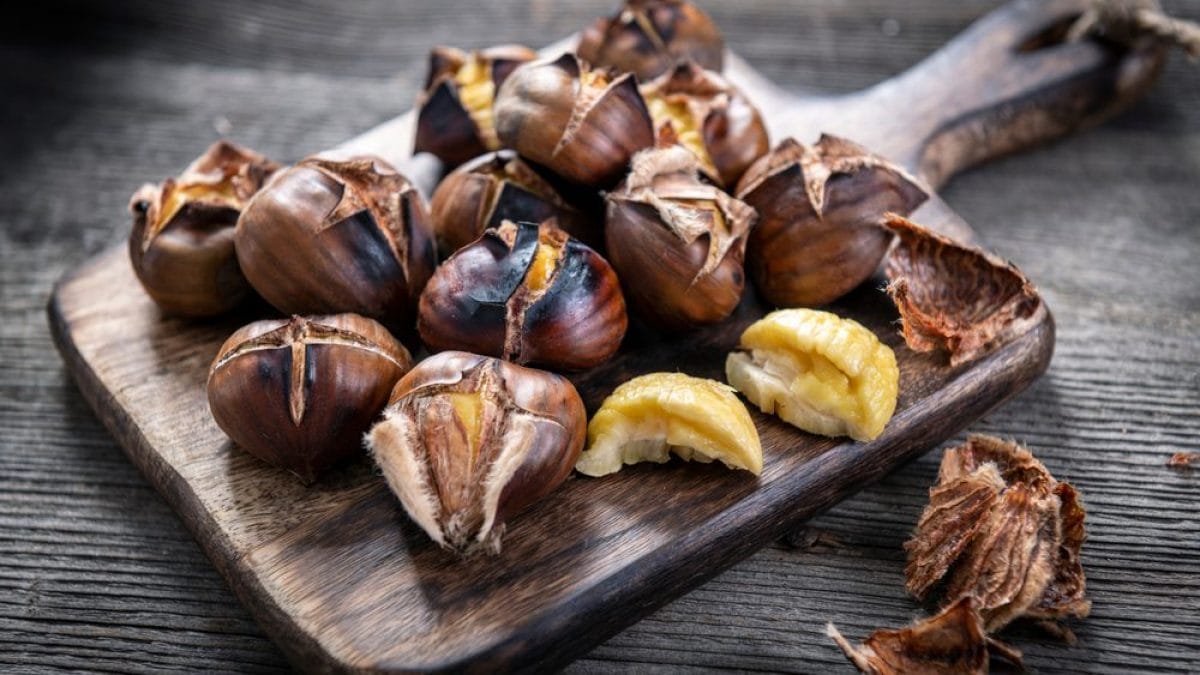
Autumn and winter mean chestnuts: nothing screams these seasons like this precious fruit, grown on the wild chestnut tree (marroni, on the other hand, come from cultivated trees). Rich in nutrients and incredibly tasty, chestnuts are also very versatile in the kitchen, excellent roasted or boiled, but also a key ingredient in countless sweet and savory recipes.
You can pick chestnuts in the woods or buy them at fruit and vegetable stores, but only in the fall, as the fruit grows exclusively during these months. Does this mean you have to give up their goodness the rest of the year? Absolutely not! Chestnuts can be preserved raw or cooked, so you can have them available even out of season.
There are several techniques and tricks for making chestnuts last longer, from the most ancient, such as the "novena method," to the more modern, such as chestnut preserves: here are some of the most effective home methods for preserving them at their best.
Use the "Novena Method" For Raw Chestnuts
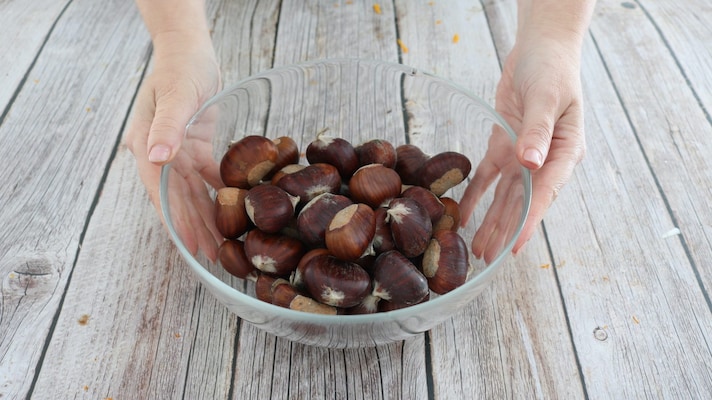
One of the oldest, yet still widespread, methods for preserving raw chestnuts is curing, also known as the "novena method." It's a peasant technique that's ideal for preserving the flavor of freshly harvested chestnuts and allows them to be preserved for about three months. Simply immerse the chestnuts in cold water, where they'll rest for a total of nine days. For the first four days, leave them alone. From the fifth day onward, replace the water daily and discard any chestnuts that have risen to the surface because they're unripe and inedible. After nine days, drain the remaining chestnuts, dry them carefully, place them in jute bags, and store them in the refrigerator or freezer.
Store Raw Chestnuts in The Refrigerator
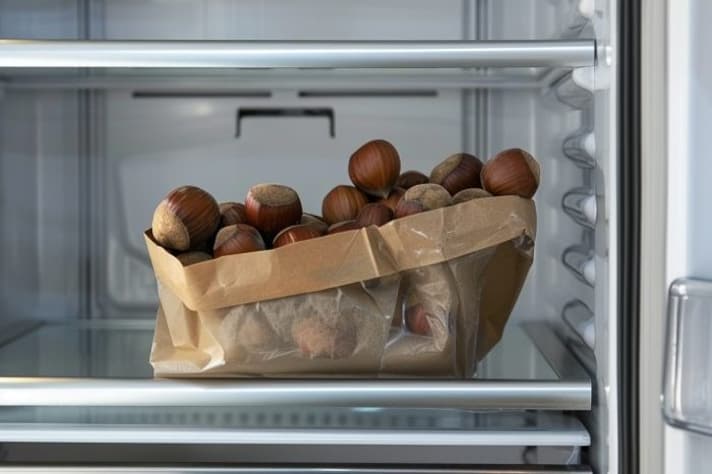
Many people don't know this, but raw chestnuts can be safely stored in the refrigerator as long as the outer shell is still intact. In this case, don't cut them, place them in a breathable bag (for example, a jute one is ideal) and place them in the refrigerator at a temperature of 35°-37°F/2°-3°C: they will keep for a month, while if you have previously processed them using the novena method, they will last up to three months.
Store Raw or Cooked Chestnuts in The Freezer
The freezer is an excellent ally for preservation and can help you preserve raw and cooked chestnuts for a long time. Freezing raw chestnuts is very easy: you can freeze them whole if you want to boil them later, or already scored if you intend to eat them roasted. In both cases, you just need to place them in special food bags and put them in the freezer, where they will last up to 12 months. When you want to enjoy them, simply defrost them and cook them as you prefer. Chestnuts can also be frozen already cooked, whether roasted or boiled: in this case, you just need to use your preferred cooking technique, peel them if they are roasted, let them cool in freezer bags and place them in the freezer, where they will last for 6 months. You can also decide not to leave them whole but to crush them before freezing, especially if you intend to use them as a puree in sweet recipes.
How to Preserve Raw Chestnuts in The Sand
It's an archaic method, but those who still use it swear it works perfectly: preserving raw chestnuts in sand keeps them fresh and fragrant for a few months. To test the technique's effectiveness, take a wooden container and alternate layers of fine, dry sand with layers of chestnuts. Then, store the container in a cool, dry place.
How to Dry Raw Chestnuts
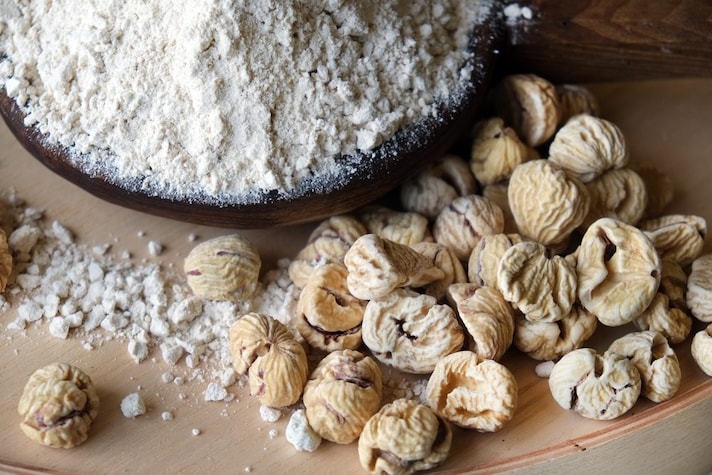
Dried chestnuts are delicious, almost as good as fresh ones: you can use them to make chestnut flour or use them in various recipes after soaking them in water, milk, or a combination of the two, and then use them as if they were fresh. Drying chestnuts is an excellent preservation method because, dehydrated and stored in an airtight container, they can last up to a year (in fact, it was the most common method in ancient times). You have two options for drying chestnuts: you can use sunlight, but this technique will require a few months of patience, or you can use the oven, which is quicker to prepare. In both cases, once ready, you should place them in airtight containers and let them rest in a cool, dry place away from sunlight.
Prepare Rum-Infused Chestnuts
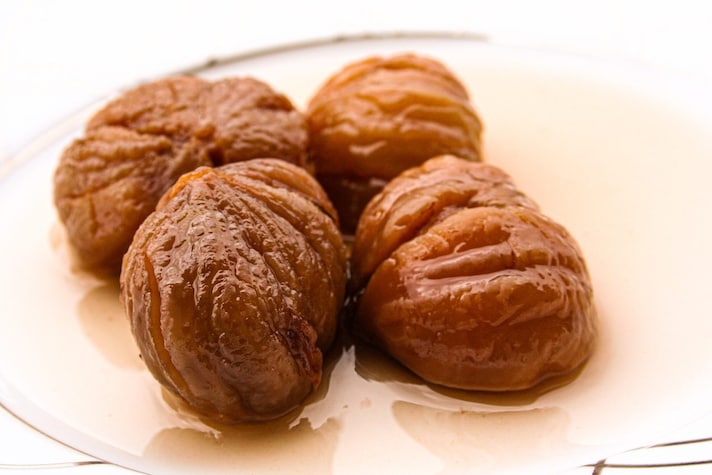
Chestnuts can also be preserved in various ways: for example, you can use them to make delicious preserves. One of the most unique is rum-infused chestnuts, an effective preservation method (they last up to 5 months) but also delicious as a post-meal treat. To prepare rum-infused chestnuts, you must peel and boil the fruit, make a syrup with water and sugar, add the rum, and pour the mixture over the chestnuts while still hot. Then, place everything in a well-sterilized glass jar, seal tightly, and turn it upside down to create a vacuum. Once ready, place the jar in a cool, dry place to rest for 1 month, after which the rum-infused chestnuts will be ready to be enjoyed.
Prepare a Chestnut Cream
Another delicious preserve you can use to preserve chestnuts beyond autumn is chestnut cream, a basic preparation that pairs well with bread and biscuits, but can also be used in sweet recipes as a filling. To make it, blanch the chestnuts, peel them, and then cook them in a vanilla-flavored syrup of water and sugar. Once ready, combine them with chopped dark chocolate and blend everything together with an immersion blender: the result is a smooth, velvety, and incredibly sweet cream that you can store in a sterilized, airtight glass jar (it lasts up to 7 days), or you can vacuum- pack the chestnuts for a further shelf life (up to 12 months).
;Resize,width=767;)
