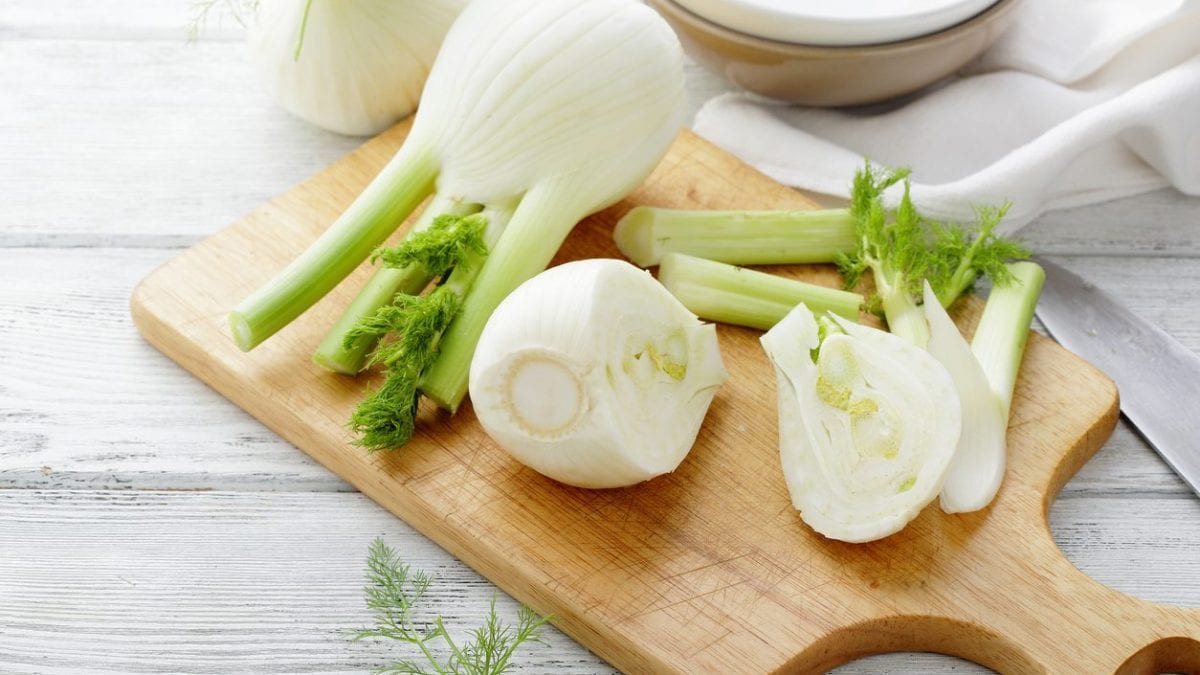
Fresh, with an aromatic flavor of anise and licorice, and crunchy: fennel is highly prized for its versatility in the kitchen (excellent both raw and cooked) and for the benefits it provides to the body: when in season, it easily becomes the star of the table, in salads, au gratin, but also in cream soups and risottos. This vegetable belongs to the Apiaceae family, native to the Mediterranean area, and is harvested mainly in winter, although it is now available year-round. Rich in water and low in calories, fennel is a valuable source of fiber, vitamins, and minerals, known above all for its diuretic, purifying, and digestive properties, even in herbal tea. One detail not to be overlooked to preserve it longer is to make a careful choice when purchasing: opt for fennel that is firm, with white, shiny sheaths, free of darker spots or soft parts. Even the green beards (which can be used in various preparations, like other cleaning scraps) should have a nice, bright color and show no signs of wilting. Now that we have a good product in hand, let's look at the different storage methods.
How to Store Fennel Outside of The Fridge
Do you have fennel that comes directly from a trusted farmer? In winter, you can take advantage of the low temperatures by keeping it out of the refrigerator, in a wooden crate or wicker basket, being careful not to stack it, as it is a very delicate vegetable. Also remove any soil residue, which risks making it rot more quickly. The ideal environment is dark, cool, and dry, away from heat sources: it lasts up to 15 days, but after the eighth to tenth day it will begin to lose its crunchiness, so it is advisable to consume it within that time frame. However, this method is less suitable in the summer months, when it is hotter: the refrigerator becomes your ally.

How to Store Fennel in The Fridge
The refrigerator is the ideal place to extend the shelf life of fennel. Once purchased, if you plan to consume it after a few days, you can store it whole in a perforated plastic bag, which allows for minimal air circulation, or by wrapping it in a damp cloth, which slows dehydration. The best place to store it is in the bottom drawer dedicated to fruit and vegetables: this way, it will stay crunchy for a week. Once you've cut it, you need to take a few extra precautions, as the exposed parts tend to oxidize and dry out quickly: store it in an airtight container and use it within 48 hours. Alternatively, you can immerse it in a bowl of water, changing the water every day. And what about cooked fennel? Whether it's raw (perhaps boiled or steamed) or included in a leftover dish, it must be cooled, transferred to an airtight container, and eaten within 24-48 hours.
Can You Put Fennel in The Freezer?
The answer is yes: freezing is a valid option for fennel, as for most foods. How to proceed? Clean the vegetables thoroughly, cut them into slices or wedges, and then blanch them for about two to three minutes. Drain them, cool them, and dry them with a cloth. At this point, the pre-cooked fennel can be placed in a freezer-safe bag or an airtight container, where they will last up to six months: always remember to label them with the product name and date. During prolonged storage in the freezer, they will tend to lose their crunchiness: the suggestion is to use them in recipes that require them well-cooked, from a reinterpretation of parmigiana to pan-fried fennel, without even needing to be defrosted.
;Resize,width=767;)
