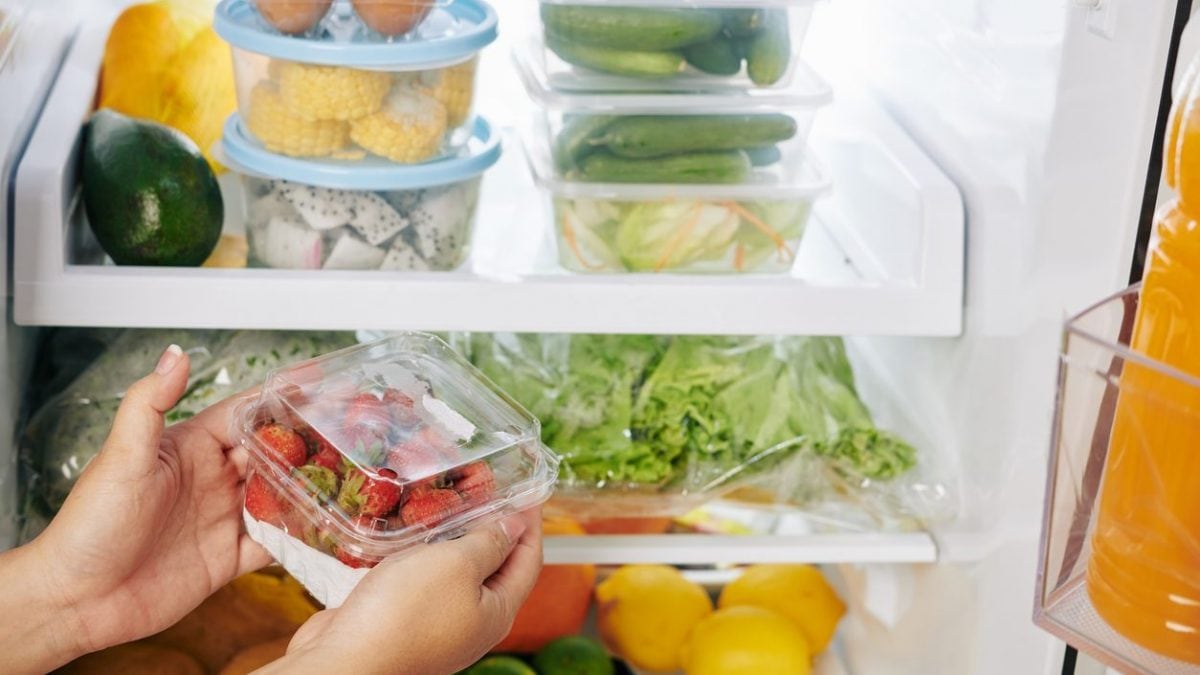
Properly storing fruit and vegetables is essential for maintaining their freshness, preserving their organoleptic qualities, and reducing waste. Among our main allies is the refrigerator, where most foods are stored to extend their shelf life. Often, however, we do this automatically, resulting in us finding ourselves with food that has deteriorated prematurely, without understanding why. In this mini-guide, we explain how to best store fruit and vegetables, paying attention to temperature , positioning, and packaging. Keep in mind that this revolutionary appliance (previously used in iceboxes) is not the ideal solution for all products.
How to Store Vegetables in The Fridge
Zucchini, eggplant, carrots, but also broccoli, asparagus, lettuce: every season has its go-to vegetables. Buying them at the right time is already a way to enjoy them and take full advantage of all their properties. The best thing to do is use them right away, since they spoil quickly, but it's often easier to stock up on supplies since you can't go shopping every day. Below are some basic rules for having them available for several days without spoiling.
Temperature and Positioning
Vegetables, in general, require a cool, but not cold, temperature: the ideal is between 46°F/8°C and 50°F/10°C, which corresponds to the bottom drawer of the refrigerator, dedicated specifically to vegetables (and fruit). This space guarantees higher humidity, which limits the dehydration of vegetable fibers. For proper arrangement, do not overload the compartment: air must be able to circulate freely. Furthermore, more delicate vegetables, such as leafy ones (like spinach or chard), should be placed above the more compact ones, so as not to be crushed.

Packaging
Packaging plays a key role in preserving vegetables: the large amount of water they contain can quickly lead to mold . How can you avoid this? Keep in mind that sealing them in completely closed plastic bags is not a good idea: opt for micro-perforated bags or breathable containers, precisely to avoid the risk of excessive humidity. Some vegetables can be wrapped in absorbent paper (e.g., eggplant) or a damp cloth (e.g., asparagus) to maintain the right level of hydration. One tip: wash vegetables just before using them and not before storing them in the refrigerator, because residual water can create an environment favorable to bacterial growth. Of course, there are exceptions: for example, lettuce will keep for a long time in the refrigerator if it is rinsed first, separating the leaves from the head, and placed in a bowl covered with a slightly damp cloth and placed on the middle shelf.
How to Store Fruit in The Refrigerator
The care to be taken with fruit is very similar to what we have just seen.
Temperature and Positioning
In most cases, the lower compartment of the refrigerator is the ideal place, paying a little extra attention to the more delicate fruit: figs, strawberries, grapes, and cherries can also be placed on the middle shelves (between 41°F/5°C and 44°F/7°C), inside trays, bowls, or rigid containers that protect them. Some varieties of fruit, called climacteric, continue to ripen after being picked: if they are not yet ready to eat, it is best to leave them at room temperature until they reach the desired level, and then refrigerate them if necessary.

Packaging
Fruit tends to be more sensitive to humidity than vegetables. To preserve it properly, it's best to use perforated containers or simple trays lined with paper towels to trap excess moisture (an excellent solution for berries). It's also best not to wash them until just before use.
Should You Wash Fruit and Vegetables Before Storing Them?
Washing fruits and vegetables before storing them in the refrigerator may seem like a good habit for hygiene reasons, but in reality, it risks compromising their shelf life. When these foods are washed and then stored damp or wet, they create an environment conducive to the growth of mold and bacteria, accelerating the spoilage process. Residual moisture, even if minimal, can penetrate the skin or leaves, causing premature rotting and loss of freshness. For this reason, it's best to store them dry and wash them only when they're actually used. This ensures a longer shelf life and reduces food waste.

Some More Advice
Once you've put fruit and vegetables in the refrigerator, don't "abandon" them: shelf life varies from product to product: carrots can last up to two weeks, while arugula only survives a few days. Just as apples and pears are resistant, cherries are extremely delicate. What can you do to avoid waste?
- Before putting fruit and vegetables in the refrigerator, make sure they are intact and fresh: usually the peel is intact, without holes and there should be no softer, darker parts, otherwise consume immediately.
- Check the condition of the zucchini regularly: if it starts to rot, it will contaminate everything else, just as a mouldy strawberry can compromise the entire tray.
- Remove the leaves from carrots and radishes if present, as they are the most perishable part of the vegetable.
- If you buy different types of vegetables and fruit, use the more perishable ones first and then the others.
- If you've already cut the vegetables, the storage times and methods vary, as the inside is exposed to air: don't leave them in the refrigerator for more than 2-4 days, and choose airtight glass containers or zip-lock plastic bags, useful for cutting out small portions and saving space. Diced fruit tends to be more fragile and oxidizes within 24 hours.
- Keep cooked vegetables separate from raw ones: the former should be stored in airtight containers and consumed within 2-3 days.
- When sorting your groceries, separate fruits and vegetables that produce a lot of ethylene, such as apples, bananas, tomatoes, and peppers, from sensitive vegetables such as cucumbers, mushrooms, asparagus, cabbage, celery, and carrots, as they stimulate the ripening process, leading to a shorter shelf life.
Fruits and Vegetables That Can Be Kept Out of The Fridge
Some produce can lose both texture and flavor if stored at low temperatures. Vegetables include potatoes, garlic, onions, whole squash, and even tomatoes. If the latter are very ripe and cannot be eaten immediately, they should be refrigerated. As for fruit, when intact and if it's not too hot (for example, in summer), you can leave bananas, citrus fruits (from lemons to oranges), mangoes, pineapples, avocados, and watermelons outside, respecting the various storage methods, from a cool, dry place to a balcony or cellar.
;Resize,width=767;)
